mirror of
https://github.com/mountain-loop/yaak.git
synced 2026-11-13 20:23:40 +01:00
Compare commits
6
Commits
| Author | SHA1 | Date | |
|---|---|---|---|
 Gregory Schier |
0f8413c441 | ||
|
Gregory Schier
|
0e14625e62 | ||
|
Gregory Schier
|
8c72538102 | ||
|
Gregory Schier
|
ffa6a610b8 | ||
|
Gregory Schier
|
8b031db685 | ||
|
Gregory Schier
|
96c8a95094 |
No files matched your search
@@ -1,11 +0,0 @@
|
||||
node_modules
|
||||
**/node_modules
|
||||
dist
|
||||
**/dist
|
||||
target
|
||||
**/target
|
||||
.claude
|
||||
vendored
|
||||
**/vendored
|
||||
*.log
|
||||
.git
|
||||
@@ -1,34 +0,0 @@
|
||||
version: 2
|
||||
|
||||
updates:
|
||||
- package-ecosystem: npm
|
||||
directory: /
|
||||
schedule:
|
||||
interval: weekly
|
||||
day: monday
|
||||
open-pull-requests-limit: 5
|
||||
groups:
|
||||
npm-production:
|
||||
dependency-type: production
|
||||
update-types:
|
||||
- minor
|
||||
- patch
|
||||
npm-development:
|
||||
dependency-type: development
|
||||
update-types:
|
||||
- minor
|
||||
- patch
|
||||
|
||||
- package-ecosystem: cargo
|
||||
directory: /
|
||||
schedule:
|
||||
interval: weekly
|
||||
day: monday
|
||||
open-pull-requests-limit: 5
|
||||
groups:
|
||||
cargo:
|
||||
patterns:
|
||||
- "*"
|
||||
update-types:
|
||||
- minor
|
||||
- patch
|
||||
@@ -31,7 +31,3 @@ jobs:
|
||||
run: vp test
|
||||
- name: Run Rust Tests
|
||||
run: cargo test --all --features yaak-app-client/wry
|
||||
- name: OpenAPI import round-trip
|
||||
run: |
|
||||
cargo build -p yaak-cli
|
||||
node plugins/importer-openapi/tests/roundtrip.mjs
|
||||
@@ -103,18 +103,6 @@ jobs:
|
||||
run: |
|
||||
sudo apt-get update
|
||||
sudo apt-get install -y cmake ninja-build libwebkit2gtk-4.1-dev libappindicator3-dev librsvg2-dev libnss3 patchelf xdg-utils
|
||||
# crates/yaak-wasm compiles SQLite to wasm via sqlite-wasm-rs, whose C shim
|
||||
# uses C23 [[noreturn]] and expects a freestanding wasm32 target. Ubuntu
|
||||
# 22.04 ships only clang <=15: 14 rejects the attribute, and 15 falls
|
||||
# through to host glibc headers ("bits/libc-header-start.h" not found).
|
||||
# clang-18 handles it (it is what ubuntu-24.04 uses). Install it from
|
||||
# apt.llvm.org since 22.04's repos stop at 15. Only the wasm build uses
|
||||
# this compiler, so the shipped binary keeps 22.04's glibc floor.
|
||||
wget -qO /tmp/llvm.sh https://apt.llvm.org/llvm.sh
|
||||
chmod +x /tmp/llvm.sh
|
||||
sudo /tmp/llvm.sh 18
|
||||
echo "CC_wasm32_unknown_unknown=/usr/bin/clang-18" >> "$GITHUB_ENV"
|
||||
echo "AR_wasm32_unknown_unknown=/usr/bin/llvm-ar-18" >> "$GITHUB_ENV"
|
||||
|
||||
- name: Install Protoc for plugin-runtime
|
||||
uses: arduino/setup-protoc@v3
|
||||
|
||||
@@ -1,123 +0,0 @@
|
||||
name: Release web image
|
||||
|
||||
# Builds ghcr.io/mountain-loop/yaak-web: the browser client and the server that serves it.
|
||||
# One image per architecture on its own native runner (emulating a Rust release build is hours),
|
||||
# joined into one multi-arch tag at the end.
|
||||
|
||||
on:
|
||||
push:
|
||||
tags: [v*]
|
||||
workflow_dispatch:
|
||||
inputs:
|
||||
version:
|
||||
description: Version to publish, without the v (e.g. 2026.2.0). Empty publishes main and sha tags only.
|
||||
required: false
|
||||
type: string
|
||||
|
||||
permissions:
|
||||
contents: read
|
||||
packages: write
|
||||
|
||||
env:
|
||||
IMAGE: ghcr.io/mountain-loop/yaak-web
|
||||
|
||||
jobs:
|
||||
build:
|
||||
if: github.repository == 'mountain-loop/yaak'
|
||||
name: Build ${{ matrix.platform }}
|
||||
runs-on: ${{ matrix.runner }}
|
||||
strategy:
|
||||
fail-fast: false
|
||||
matrix:
|
||||
include:
|
||||
- platform: linux/amd64
|
||||
runner: ubuntu-22.04
|
||||
arch: amd64
|
||||
- platform: linux/arm64
|
||||
runner: ubuntu-22.04-arm
|
||||
arch: arm64
|
||||
|
||||
steps:
|
||||
- name: Checkout
|
||||
uses: actions/checkout@v4
|
||||
|
||||
- name: Set up Buildx
|
||||
uses: docker/setup-buildx-action@v3
|
||||
|
||||
- name: Log in to GHCR
|
||||
uses: docker/login-action@v3
|
||||
with:
|
||||
registry: ghcr.io
|
||||
username: ${{ github.actor }}
|
||||
password: ${{ secrets.GITHUB_TOKEN }}
|
||||
|
||||
- name: Build and push by digest
|
||||
id: build
|
||||
uses: docker/build-push-action@v6
|
||||
with:
|
||||
context: .
|
||||
file: Dockerfile.web
|
||||
platforms: ${{ matrix.platform }}
|
||||
outputs: type=image,name=${{ env.IMAGE }},push-by-digest=true,name-canonical=true,push=true
|
||||
|
||||
- name: Export digest
|
||||
run: |
|
||||
mkdir -p "${{ runner.temp }}/digests"
|
||||
digest="${{ steps.build.outputs.digest }}"
|
||||
touch "${{ runner.temp }}/digests/${digest#sha256:}"
|
||||
|
||||
- name: Upload digest
|
||||
uses: actions/upload-artifact@v4
|
||||
with:
|
||||
name: digest-${{ matrix.arch }}
|
||||
path: ${{ runner.temp }}/digests/*
|
||||
if-no-files-found: error
|
||||
retention-days: 1
|
||||
|
||||
publish:
|
||||
name: Publish manifest
|
||||
needs: build
|
||||
runs-on: ubuntu-latest
|
||||
|
||||
steps:
|
||||
- name: Download digests
|
||||
uses: actions/download-artifact@v4
|
||||
with:
|
||||
path: ${{ runner.temp }}/digests
|
||||
pattern: digest-*
|
||||
merge-multiple: true
|
||||
|
||||
- name: Set up Buildx
|
||||
uses: docker/setup-buildx-action@v3
|
||||
|
||||
- name: Log in to GHCR
|
||||
uses: docker/login-action@v3
|
||||
with:
|
||||
registry: ghcr.io
|
||||
username: ${{ github.actor }}
|
||||
password: ${{ secrets.GITHUB_TOKEN }}
|
||||
|
||||
# `latest` follows a release tag, and a manual run that names a version — the way to
|
||||
# publish before the first release. A prerelease (v2026.2.1-beta.1) never takes it.
|
||||
- name: Tags
|
||||
id: meta
|
||||
uses: docker/metadata-action@v5
|
||||
with:
|
||||
images: ${{ env.IMAGE }}
|
||||
flavor: latest=false
|
||||
tags: |
|
||||
type=semver,pattern={{version}}
|
||||
type=raw,value=${{ inputs.version }},enable=${{ inputs.version != '' }}
|
||||
type=raw,value=latest,enable=${{ inputs.version != '' || (github.event_name == 'push' && !contains(github.ref_name, '-')) }}
|
||||
type=ref,event=branch
|
||||
type=sha,format=short
|
||||
|
||||
- name: Create and push the manifest
|
||||
working-directory: ${{ runner.temp }}/digests
|
||||
run: |
|
||||
docker buildx imagetools create \
|
||||
$(jq -cr '.tags | map("-t " + .) | join(" ")' <<< "$DOCKER_METADATA_OUTPUT_JSON") \
|
||||
$(printf '${{ env.IMAGE }}@sha256:%s ' *)
|
||||
|
||||
- name: Inspect
|
||||
run: docker buildx imagetools inspect ${{ env.IMAGE }}:${{ steps.meta.outputs.version }}
|
||||
@@ -0,0 +1,3 @@
|
||||
**/bindings/**
|
||||
**/routeTree.gen.ts
|
||||
crates/yaak-templates/pkg/**
|
||||
Generated
+60
-151
@@ -249,7 +249,7 @@ dependencies = [
|
||||
"enumflags2",
|
||||
"futures-channel",
|
||||
"futures-util",
|
||||
"rand 0.8.7",
|
||||
"rand 0.8.5",
|
||||
"serde",
|
||||
"serde_repr",
|
||||
"url",
|
||||
@@ -265,7 +265,7 @@ dependencies = [
|
||||
"enumflags2",
|
||||
"futures-channel",
|
||||
"futures-util",
|
||||
"rand 0.9.5",
|
||||
"rand 0.9.1",
|
||||
"raw-window-handle",
|
||||
"serde",
|
||||
"serde_repr",
|
||||
@@ -585,9 +585,9 @@ checksum = "ace50bade8e6234aa140d9a2f552bbee1db4d353f69b8217bc503490fc1a9f26"
|
||||
|
||||
[[package]]
|
||||
name = "aws-lc-rs"
|
||||
version = "1.18.0"
|
||||
version = "1.16.1"
|
||||
source = "registry+https://github.com/rust-lang/crates.io-index"
|
||||
checksum = "ce2b2dcc879c3bae0d371e77c99f2238400ef24ec001394befa67b6e543add9e"
|
||||
checksum = "94bffc006df10ac2a68c83692d734a465f8ee6c5b384d8545a636f81d858f4bf"
|
||||
dependencies = [
|
||||
"aws-lc-sys",
|
||||
"zeroize",
|
||||
@@ -595,15 +595,14 @@ dependencies = [
|
||||
|
||||
[[package]]
|
||||
name = "aws-lc-sys"
|
||||
version = "0.44.0"
|
||||
version = "0.38.0"
|
||||
source = "registry+https://github.com/rust-lang/crates.io-index"
|
||||
checksum = "f09fae7be8bb3174e05c6afdb34199e6dc0c7c04ba9fa237b1967adfbde27483"
|
||||
checksum = "4321e568ed89bb5a7d291a7f37997c2c0df89809d7b6d12062c81ddb54aa782e"
|
||||
dependencies = [
|
||||
"cc",
|
||||
"cmake",
|
||||
"dunce",
|
||||
"fs_extra",
|
||||
"pkg-config",
|
||||
]
|
||||
|
||||
[[package]]
|
||||
@@ -619,8 +618,6 @@ dependencies = [
|
||||
"http",
|
||||
"http-body",
|
||||
"http-body-util",
|
||||
"hyper",
|
||||
"hyper-util",
|
||||
"itoa",
|
||||
"matchit",
|
||||
"memchr",
|
||||
@@ -629,15 +626,10 @@ dependencies = [
|
||||
"pin-project-lite",
|
||||
"rustversion",
|
||||
"serde",
|
||||
"serde_json",
|
||||
"serde_path_to_error",
|
||||
"serde_urlencoded",
|
||||
"sync_wrapper",
|
||||
"tokio",
|
||||
"tower 0.5.2",
|
||||
"tower-layer",
|
||||
"tower-service",
|
||||
"tracing",
|
||||
]
|
||||
|
||||
[[package]]
|
||||
@@ -658,7 +650,6 @@ dependencies = [
|
||||
"sync_wrapper",
|
||||
"tower-layer",
|
||||
"tower-service",
|
||||
"tracing",
|
||||
]
|
||||
|
||||
[[package]]
|
||||
@@ -960,6 +951,15 @@ dependencies = [
|
||||
"serde",
|
||||
]
|
||||
|
||||
[[package]]
|
||||
name = "bzip2"
|
||||
version = "0.5.2"
|
||||
source = "registry+https://github.com/rust-lang/crates.io-index"
|
||||
checksum = "49ecfb22d906f800d4fe833b6282cf4dc1c298f5057ca0b5445e5c209735ca47"
|
||||
dependencies = [
|
||||
"bzip2-sys",
|
||||
]
|
||||
|
||||
[[package]]
|
||||
name = "bzip2"
|
||||
version = "0.6.1"
|
||||
@@ -969,6 +969,16 @@ dependencies = [
|
||||
"libbz2-rs-sys",
|
||||
]
|
||||
|
||||
[[package]]
|
||||
name = "bzip2-sys"
|
||||
version = "0.1.13+1.0.8"
|
||||
source = "registry+https://github.com/rust-lang/crates.io-index"
|
||||
checksum = "225bff33b2141874fe80d71e07d6eec4f85c5c216453dd96388240f96e1acc14"
|
||||
dependencies = [
|
||||
"cc",
|
||||
"pkg-config",
|
||||
]
|
||||
|
||||
[[package]]
|
||||
name = "cairo-rs"
|
||||
version = "0.18.5"
|
||||
@@ -2095,7 +2105,7 @@ version = "2.3.2"
|
||||
source = "registry+https://github.com/rust-lang/crates.io-index"
|
||||
checksum = "c169adf067a787e1f1c58ed62906a557de85388bee4b54fb878b722ff606b113"
|
||||
dependencies = [
|
||||
"bzip2",
|
||||
"bzip2 0.6.1",
|
||||
"clap",
|
||||
"fs-err",
|
||||
"indicatif",
|
||||
@@ -2895,9 +2905,11 @@ source = "registry+https://github.com/rust-lang/crates.io-index"
|
||||
checksum = "26145e563e54f2cadc477553f1ec5ee650b00862f0a58bcd12cbdc5f0ea2d2f4"
|
||||
dependencies = [
|
||||
"cfg-if",
|
||||
"js-sys",
|
||||
"libc",
|
||||
"r-efi",
|
||||
"wasi 0.14.2+wasi-0.2.4",
|
||||
"wasm-bindgen",
|
||||
]
|
||||
|
||||
[[package]]
|
||||
@@ -3263,12 +3275,6 @@ version = "0.1.5"
|
||||
source = "registry+https://github.com/rust-lang/crates.io-index"
|
||||
checksum = "21dec9db110f5f872ed9699c3ecf50cf16f423502706ba5c72462e28d3157573"
|
||||
|
||||
[[package]]
|
||||
name = "http-range-header"
|
||||
version = "0.4.2"
|
||||
source = "registry+https://github.com/rust-lang/crates.io-index"
|
||||
checksum = "9171a2ea8a68358193d15dd5d70c1c10a2afc3e7e4c5bc92bc9f025cebd7359c"
|
||||
|
||||
[[package]]
|
||||
name = "httparse"
|
||||
version = "1.10.1"
|
||||
@@ -4173,15 +4179,6 @@ dependencies = [
|
||||
"value-bag",
|
||||
]
|
||||
|
||||
[[package]]
|
||||
name = "lzma-rust2"
|
||||
version = "0.15.8"
|
||||
source = "registry+https://github.com/rust-lang/crates.io-index"
|
||||
checksum = "e20f57f9918e5bd7bc58c22cdd70a6afc7375d4dd9683af5f2b34bd3d2bba619"
|
||||
dependencies = [
|
||||
"sha2",
|
||||
]
|
||||
|
||||
[[package]]
|
||||
name = "mac"
|
||||
version = "0.1.1"
|
||||
@@ -4466,7 +4463,7 @@ version = "0.4.0"
|
||||
source = "registry+https://github.com/rust-lang/crates.io-index"
|
||||
checksum = "3ffa00dec017b5b1a8b7cf5e2c008bfda1aa7e0697ac1508b491fdf2622fb4d8"
|
||||
dependencies = [
|
||||
"rand 0.8.7",
|
||||
"rand 0.8.5",
|
||||
]
|
||||
|
||||
[[package]]
|
||||
@@ -5026,14 +5023,15 @@ dependencies = [
|
||||
|
||||
[[package]]
|
||||
name = "openssl"
|
||||
version = "0.10.81"
|
||||
version = "0.10.73"
|
||||
source = "registry+https://github.com/rust-lang/crates.io-index"
|
||||
checksum = "77823a27f0babb03091cb9ed9ef80af3b39dbc82f97e8fa530374b7dafd87a45"
|
||||
checksum = "8505734d46c8ab1e19a1dce3aef597ad87dcb4c37e7188231769bd6bd51cebf8"
|
||||
dependencies = [
|
||||
"bitflags 2.11.0",
|
||||
"cfg-if",
|
||||
"foreign-types 0.3.2",
|
||||
"libc",
|
||||
"once_cell",
|
||||
"openssl-macros",
|
||||
"openssl-sys",
|
||||
]
|
||||
@@ -5057,18 +5055,18 @@ checksum = "d05e27ee213611ffe7d6348b942e8f942b37114c00cc03cec254295a4a17852e"
|
||||
|
||||
[[package]]
|
||||
name = "openssl-src"
|
||||
version = "300.6.1+3.6.3"
|
||||
version = "300.5.0+3.5.0"
|
||||
source = "registry+https://github.com/rust-lang/crates.io-index"
|
||||
checksum = "46eb8fb9fb3b61ce1c0f8a026c4c1a0714d3a9e138e7fbde78753ce2babc3846"
|
||||
checksum = "e8ce546f549326b0e6052b649198487d91320875da901e7bd11a06d1ee3f9c2f"
|
||||
dependencies = [
|
||||
"cc",
|
||||
]
|
||||
|
||||
[[package]]
|
||||
name = "openssl-sys"
|
||||
version = "0.9.117"
|
||||
version = "0.9.109"
|
||||
source = "registry+https://github.com/rust-lang/crates.io-index"
|
||||
checksum = "b47e7e6bb2c38cd930d25a23b40fa52e068c10e85f3e03a7f5ba5aaca5713695"
|
||||
checksum = "90096e2e47630d78b7d1c20952dc621f957103f8bc2c8359ec81290d75238571"
|
||||
dependencies = [
|
||||
"cc",
|
||||
"libc",
|
||||
@@ -5882,7 +5880,7 @@ source = "registry+https://github.com/rust-lang/crates.io-index"
|
||||
checksum = "5d5285893bb5eb82e6aaf5d59ee909a06a16737a8970984dd7746ba9283498d6"
|
||||
dependencies = [
|
||||
"phf_shared 0.10.0",
|
||||
"rand 0.8.7",
|
||||
"rand 0.8.5",
|
||||
]
|
||||
|
||||
[[package]]
|
||||
@@ -5892,7 +5890,7 @@ source = "registry+https://github.com/rust-lang/crates.io-index"
|
||||
checksum = "3c80231409c20246a13fddb31776fb942c38553c51e871f8cbd687a4cfb5843d"
|
||||
dependencies = [
|
||||
"phf_shared 0.11.3",
|
||||
"rand 0.8.7",
|
||||
"rand 0.8.5",
|
||||
]
|
||||
|
||||
[[package]]
|
||||
@@ -6162,12 +6160,6 @@ version = "0.2.0"
|
||||
source = "registry+https://github.com/rust-lang/crates.io-index"
|
||||
checksum = "439ee305def115ba05938db6eb1644ff94165c5ab5e9420d1c1bcedbba909391"
|
||||
|
||||
[[package]]
|
||||
name = "ppmd-rust"
|
||||
version = "1.4.1"
|
||||
source = "registry+https://github.com/rust-lang/crates.io-index"
|
||||
checksum = "9e9219bcb9d7aca6b2f63c83cf100cf78bcd619ac46e6ecbd0dd90869a39345d"
|
||||
|
||||
[[package]]
|
||||
name = "ppv-lite86"
|
||||
version = "0.2.21"
|
||||
@@ -6463,9 +6455,9 @@ dependencies = [
|
||||
|
||||
[[package]]
|
||||
name = "rand"
|
||||
version = "0.8.7"
|
||||
version = "0.8.5"
|
||||
source = "registry+https://github.com/rust-lang/crates.io-index"
|
||||
checksum = "22f6172bdec972074665ed81ed53b71da00bfc44b65a753cfde883ec4c702a1a"
|
||||
checksum = "34af8d1a0e25924bc5b7c43c079c942339d8f0a8b57c39049bef581b46327404"
|
||||
dependencies = [
|
||||
"libc",
|
||||
"rand_chacha 0.3.1",
|
||||
@@ -6474,9 +6466,9 @@ dependencies = [
|
||||
|
||||
[[package]]
|
||||
name = "rand"
|
||||
version = "0.9.5"
|
||||
version = "0.9.1"
|
||||
source = "registry+https://github.com/rust-lang/crates.io-index"
|
||||
checksum = "b9ef1d0d795eb7d84685bca4f72f3649f064e6641543d3a8c415898726a57b41"
|
||||
checksum = "9fbfd9d094a40bf3ae768db9361049ace4c0e04a4fd6b359518bd7b73a73dd97"
|
||||
dependencies = [
|
||||
"rand_chacha 0.9.0",
|
||||
"rand_core 0.9.3",
|
||||
@@ -7356,7 +7348,7 @@ dependencies = [
|
||||
"borsh",
|
||||
"bytes",
|
||||
"num-traits",
|
||||
"rand 0.8.7",
|
||||
"rand 0.8.5",
|
||||
"rkyv",
|
||||
"serde",
|
||||
"serde_json",
|
||||
@@ -8900,7 +8892,7 @@ dependencies = [
|
||||
"tokio",
|
||||
"url",
|
||||
"windows-sys 0.60.2",
|
||||
"zip 4.6.1",
|
||||
"zip",
|
||||
]
|
||||
|
||||
[[package]]
|
||||
@@ -9517,7 +9509,7 @@ dependencies = [
|
||||
"indexmap 1.9.3",
|
||||
"pin-project",
|
||||
"pin-project-lite",
|
||||
"rand 0.8.7",
|
||||
"rand 0.8.5",
|
||||
"slab",
|
||||
"tokio",
|
||||
"tokio-util",
|
||||
@@ -9539,7 +9531,6 @@ dependencies = [
|
||||
"tokio",
|
||||
"tower-layer",
|
||||
"tower-service",
|
||||
"tracing",
|
||||
]
|
||||
|
||||
[[package]]
|
||||
@@ -9548,22 +9539,12 @@ version = "0.6.10"
|
||||
source = "registry+https://github.com/rust-lang/crates.io-index"
|
||||
checksum = "68d6fdd9f81c2819c9a8b0e0cd91660e7746a8e6ea2ba7c6b2b057985f6bcb51"
|
||||
dependencies = [
|
||||
"async-compression",
|
||||
"bitflags 2.11.0",
|
||||
"bytes",
|
||||
"futures-core",
|
||||
"futures-util",
|
||||
"http",
|
||||
"http-body",
|
||||
"http-body-util",
|
||||
"http-range-header",
|
||||
"httpdate",
|
||||
"mime",
|
||||
"mime_guess",
|
||||
"percent-encoding",
|
||||
"pin-project-lite",
|
||||
"tokio",
|
||||
"tokio-util",
|
||||
"tower 0.5.2",
|
||||
"tower-layer",
|
||||
"tower-service",
|
||||
@@ -9588,7 +9569,6 @@ version = "0.1.41"
|
||||
source = "registry+https://github.com/rust-lang/crates.io-index"
|
||||
checksum = "784e0ac535deb450455cbfa28a6f0df145ea1bb7ae51b821cf5e7927fdcfbdd0"
|
||||
dependencies = [
|
||||
"log 0.4.29",
|
||||
"pin-project-lite",
|
||||
"tracing-attributes",
|
||||
"tracing-core",
|
||||
@@ -9746,7 +9726,7 @@ dependencies = [
|
||||
"http",
|
||||
"httparse",
|
||||
"log 0.4.29",
|
||||
"rand 0.9.5",
|
||||
"rand 0.9.1",
|
||||
"rustls",
|
||||
"rustls-pki-types",
|
||||
"sha1",
|
||||
@@ -10016,7 +9996,7 @@ checksum = "3cf4199d1e5d15ddd86a694e4d0dffa9c323ce759fea589f00fef9d81cc1931d"
|
||||
dependencies = [
|
||||
"getrandom 0.3.3",
|
||||
"js-sys",
|
||||
"rand 0.9.5",
|
||||
"rand 0.9.1",
|
||||
"serde",
|
||||
"wasm-bindgen",
|
||||
]
|
||||
@@ -11217,12 +11197,9 @@ version = "0.1.0"
|
||||
dependencies = [
|
||||
"async-trait",
|
||||
"base64 0.22.1",
|
||||
"chrono",
|
||||
"log 0.4.29",
|
||||
"md5 0.8.0",
|
||||
"rusqlite",
|
||||
"serde_json",
|
||||
"sha2",
|
||||
"tempfile",
|
||||
"thiserror 2.0.17",
|
||||
"tokio",
|
||||
@@ -11264,7 +11241,7 @@ dependencies = [
|
||||
"pretty_graphql",
|
||||
"r2d2",
|
||||
"r2d2_sqlite",
|
||||
"rand 0.9.5",
|
||||
"rand 0.9.1",
|
||||
"reqwest 0.12.20",
|
||||
"rlimit",
|
||||
"serde",
|
||||
@@ -11300,7 +11277,6 @@ dependencies = [
|
||||
"yaak-grpc",
|
||||
"yaak-http",
|
||||
"yaak-license",
|
||||
"yaak-lifecycle",
|
||||
"yaak-mac-window",
|
||||
"yaak-models",
|
||||
"yaak-plugins",
|
||||
@@ -11350,7 +11326,7 @@ dependencies = [
|
||||
"log 0.4.29",
|
||||
"oxc_resolver",
|
||||
"predicates",
|
||||
"rand 0.8.7",
|
||||
"rand 0.8.5",
|
||||
"reqwest 0.12.20",
|
||||
"rolldown",
|
||||
"schemars 0.8.22",
|
||||
@@ -11366,17 +11342,17 @@ dependencies = [
|
||||
"yaak-core",
|
||||
"yaak-crypto",
|
||||
"yaak-http",
|
||||
"yaak-lifecycle",
|
||||
"yaak-models",
|
||||
"yaak-plugins",
|
||||
"yaak-templates",
|
||||
"zip 7.0.0",
|
||||
"zip",
|
||||
]
|
||||
|
||||
[[package]]
|
||||
name = "yaak-commands"
|
||||
version = "0.0.0"
|
||||
dependencies = [
|
||||
"log 0.4.29",
|
||||
"serde_json",
|
||||
"tempfile",
|
||||
"thiserror 2.0.17",
|
||||
@@ -11515,6 +11491,7 @@ dependencies = [
|
||||
"log 0.4.29",
|
||||
"mime_guess",
|
||||
"native-tls",
|
||||
"regex 1.11.1",
|
||||
"reqwest 0.12.20",
|
||||
"serde",
|
||||
"serde_json",
|
||||
@@ -11550,14 +11527,6 @@ dependencies = [
|
||||
"yaak-models",
|
||||
]
|
||||
|
||||
[[package]]
|
||||
name = "yaak-lifecycle"
|
||||
version = "0.0.0"
|
||||
dependencies = [
|
||||
"log 0.4.29",
|
||||
"yaak-models",
|
||||
]
|
||||
|
||||
[[package]]
|
||||
name = "yaak-mac-window"
|
||||
version = "0.1.0"
|
||||
@@ -11566,7 +11535,7 @@ dependencies = [
|
||||
"csscolorparser",
|
||||
"log 0.4.29",
|
||||
"objc",
|
||||
"rand 0.9.5",
|
||||
"rand 0.9.1",
|
||||
"tauri",
|
||||
"tauri-plugin",
|
||||
]
|
||||
@@ -11591,10 +11560,8 @@ dependencies = [
|
||||
"sha2",
|
||||
"thiserror 2.0.17",
|
||||
"ts-rs",
|
||||
"urlencoding",
|
||||
"yaak-core",
|
||||
"yaak-database",
|
||||
"yaak-templates",
|
||||
]
|
||||
|
||||
[[package]]
|
||||
@@ -11610,7 +11577,7 @@ dependencies = [
|
||||
"log 0.4.29",
|
||||
"md5 0.7.0",
|
||||
"path-slash",
|
||||
"rand 0.9.5",
|
||||
"rand 0.9.1",
|
||||
"reqwest 0.12.20",
|
||||
"serde",
|
||||
"serde_json",
|
||||
@@ -11720,10 +11687,7 @@ name = "yaak-system-appearance"
|
||||
version = "0.1.0"
|
||||
dependencies = [
|
||||
"dark-light",
|
||||
"dispatch2",
|
||||
"log 0.4.29",
|
||||
"objc2-app-kit",
|
||||
"objc2-foundation 0.3.1",
|
||||
"tauri",
|
||||
]
|
||||
|
||||
@@ -11769,7 +11733,7 @@ dependencies = [
|
||||
]
|
||||
|
||||
[[package]]
|
||||
name = "yaak-wasm"
|
||||
name = "yaak-web"
|
||||
version = "0.1.0"
|
||||
dependencies = [
|
||||
"console_error_panic_hook",
|
||||
@@ -11782,32 +11746,6 @@ dependencies = [
|
||||
"sqlite-wasm-vfs",
|
||||
"wasm-bindgen",
|
||||
"wasm-bindgen-futures",
|
||||
"web-sys",
|
||||
"yaak-lifecycle",
|
||||
"yaak-models",
|
||||
"yaak-templates",
|
||||
]
|
||||
|
||||
[[package]]
|
||||
name = "yaak-web"
|
||||
version = "0.1.0"
|
||||
dependencies = [
|
||||
"async-trait",
|
||||
"axum",
|
||||
"base64 0.22.1",
|
||||
"bytes",
|
||||
"clap",
|
||||
"env_logger",
|
||||
"futures-util",
|
||||
"log 0.4.29",
|
||||
"serde",
|
||||
"serde_json",
|
||||
"tokio",
|
||||
"tower-http",
|
||||
"ts-rs",
|
||||
"url",
|
||||
"uuid",
|
||||
"yaak-http",
|
||||
"yaak-models",
|
||||
]
|
||||
|
||||
@@ -11817,7 +11755,7 @@ version = "0.1.0"
|
||||
dependencies = [
|
||||
"log 0.4.29",
|
||||
"md5 0.8.0",
|
||||
"rand 0.9.5",
|
||||
"rand 0.9.1",
|
||||
"serde",
|
||||
"serde_json",
|
||||
"tauri",
|
||||
@@ -12040,13 +11978,13 @@ dependencies = [
|
||||
|
||||
[[package]]
|
||||
name = "zip"
|
||||
version = "4.6.1"
|
||||
version = "4.0.0"
|
||||
source = "registry+https://github.com/rust-lang/crates.io-index"
|
||||
checksum = "caa8cd6af31c3b31c6631b8f483848b91589021b28fffe50adada48d4f4d2ed1"
|
||||
checksum = "153a6fff49d264c4babdcfa6b4d534747f520e56e8f0f384f3b808c4b64cc1fd"
|
||||
dependencies = [
|
||||
"aes",
|
||||
"arbitrary",
|
||||
"bzip2",
|
||||
"bzip2 0.5.2",
|
||||
"constant_time_eq 0.3.1",
|
||||
"crc32fast",
|
||||
"deflate64",
|
||||
@@ -12057,35 +11995,6 @@ dependencies = [
|
||||
"liblzma",
|
||||
"memchr",
|
||||
"pbkdf2",
|
||||
"ppmd-rust",
|
||||
"sha1",
|
||||
"time",
|
||||
"zeroize",
|
||||
"zopfli",
|
||||
"zstd",
|
||||
]
|
||||
|
||||
[[package]]
|
||||
name = "zip"
|
||||
version = "7.0.0"
|
||||
source = "registry+https://github.com/rust-lang/crates.io-index"
|
||||
checksum = "bdd8a47718a4ee5fe78e07667cd36f3de80e7c2bfe727c7074245ffc7303c037"
|
||||
dependencies = [
|
||||
"aes",
|
||||
"arbitrary",
|
||||
"bzip2",
|
||||
"constant_time_eq 0.3.1",
|
||||
"crc32fast",
|
||||
"deflate64",
|
||||
"flate2",
|
||||
"generic-array",
|
||||
"getrandom 0.3.3",
|
||||
"hmac",
|
||||
"indexmap 2.14.0",
|
||||
"lzma-rust2",
|
||||
"memchr",
|
||||
"pbkdf2",
|
||||
"ppmd-rust",
|
||||
"sha1",
|
||||
"time",
|
||||
"zeroize",
|
||||
@@ -12101,7 +12010,7 @@ checksum = "aed5f10c571472911e37d8f7601a8dfba52b4f7f73a344015291b82ab292faf6"
|
||||
dependencies = [
|
||||
"log 0.4.29",
|
||||
"thiserror 2.0.17",
|
||||
"zip 4.6.1",
|
||||
"zip",
|
||||
]
|
||||
|
||||
[[package]]
|
||||
|
||||
+1
-5
@@ -14,7 +14,6 @@ members = [
|
||||
"crates/yaak-git",
|
||||
"crates/yaak-grpc",
|
||||
"crates/yaak-http",
|
||||
"crates/yaak-lifecycle",
|
||||
"crates/yaak-models",
|
||||
"crates/yaak-plugins",
|
||||
"crates/yaak-sse",
|
||||
@@ -22,13 +21,11 @@ members = [
|
||||
"crates/yaak-templates",
|
||||
"crates/yaak-tls",
|
||||
"crates/yaak-ws",
|
||||
"crates/yaak-wasm",
|
||||
"crates/yaak-web",
|
||||
"crates/yaak-api",
|
||||
"crates/yaak-proxy",
|
||||
# Proxy-specific crates
|
||||
"crates-proxy/yaak-proxy-lib",
|
||||
# Server crates (the browser tier's hosted send executor)
|
||||
"crates-server/yaak-web",
|
||||
# CLI crates
|
||||
"crates-cli/yaak-cli",
|
||||
# Tauri-specific crates
|
||||
@@ -80,7 +77,6 @@ yaak-crypto = { path = "crates/yaak-crypto" }
|
||||
yaak-git = { path = "crates/yaak-git" }
|
||||
yaak-grpc = { path = "crates/yaak-grpc" }
|
||||
yaak-http = { path = "crates/yaak-http" }
|
||||
yaak-lifecycle = { path = "crates/yaak-lifecycle" }
|
||||
yaak-models = { path = "crates/yaak-models" }
|
||||
yaak-plugins = { path = "crates/yaak-plugins" }
|
||||
yaak-sse = { path = "crates/yaak-sse" }
|
||||
|
||||
@@ -1,46 +0,0 @@
|
||||
# syntax=docker/dockerfile:1
|
||||
# Yaak in a browser, whole: the web client and the server that executes its sends, in one
|
||||
# image serving both from one origin.
|
||||
#
|
||||
# docker run -p 8080:8080 ghcr.io/mountain-loop/yaak-web
|
||||
#
|
||||
# See crates-server/yaak-web/README.md for the knobs.
|
||||
|
||||
FROM node:22-slim AS web
|
||||
WORKDIR /app
|
||||
RUN apt-get update && apt-get install -y --no-install-recommends \
|
||||
git python3 make g++ ca-certificates && rm -rf /var/lib/apt/lists/*
|
||||
COPY . .
|
||||
# `npm ci` runs a prepare hook (`vp config`) that shells out to git, and there is no .git in
|
||||
# the build context — it is ignored, and in a worktree it is a pointer file anyway.
|
||||
RUN git init -q && git add -A \
|
||||
&& git -c user.email=build@yaak.app -c user.name=build commit -qm build
|
||||
# Empty means the tab posts sends to its own origin, which is what this image serves. Set it
|
||||
# only to build a bundle for a deployment whose server lives somewhere else.
|
||||
ARG VITE_YAAK_WEB_URL=""
|
||||
ENV VITE_YAAK_WEB_URL=$VITE_YAAK_WEB_URL
|
||||
ENV YAAK_TARGET=web
|
||||
# crates/yaak-wasm's wasm package is committed; rebuilding it needs a clang with a WebAssembly
|
||||
# backend, which this image has no reason to carry.
|
||||
ENV SKIP_WASM_BUILD=1
|
||||
RUN npm ci
|
||||
RUN node_modules/.bin/vp -C apps/yaak-client build
|
||||
|
||||
FROM rust:1-bookworm AS server
|
||||
WORKDIR /app
|
||||
RUN apt-get update && apt-get install -y --no-install-recommends \
|
||||
pkg-config libssl-dev protobuf-compiler && rm -rf /var/lib/apt/lists/*
|
||||
COPY . .
|
||||
RUN cargo build --release -p yaak-web
|
||||
|
||||
FROM debian:bookworm-slim
|
||||
RUN apt-get update && apt-get install -y --no-install-recommends \
|
||||
ca-certificates libssl3 && rm -rf /var/lib/apt/lists/*
|
||||
COPY --from=server /app/target/release/yaak-web /usr/local/bin/yaak-web
|
||||
COPY --from=web /app/dist/apps/yaak-client /srv
|
||||
ENV YAAK_WEB_BIND=0.0.0.0:8080
|
||||
EXPOSE 8080
|
||||
USER nobody
|
||||
# Overriding the command (dropping --serve) leaves the stateless send executor:
|
||||
# docker run ghcr.io/mountain-loop/yaak-web yaak-web
|
||||
CMD ["yaak-web", "--serve", "/srv"]
|
||||
@@ -17,7 +17,7 @@
|
||||
<br>
|
||||
|
||||
<p align="center">
|
||||
<!-- sponsors-premium --><a href="https://github.com/MVST-Solutions"><img src="https://github.com/MVST-Solutions.png" width="80px" alt="User avatar: MVST-Solutions" /></a> <a href="https://github.com/dharsanb"><img src="https://github.com/dharsanb.png" width="80px" alt="User avatar: dharsanb" /></a> <a href="https://github.com/railwayapp"><img src="https://github.com/railwayapp.png" width="80px" alt="User avatar: railwayapp" /></a> <a href="https://github.com/caseyamcl"><img src="https://github.com/caseyamcl.png" width="80px" alt="User avatar: caseyamcl" /></a> <a href="https://github.com/bytebase"><img src="https://github.com/bytebase.png" width="80px" alt="User avatar: bytebase" /></a> <a href="https://github.com/rauchg"><img src="https://github.com/rauchg.png" width="80px" alt="User avatar: rauchg" /></a> <a href="https://github.com/"><img src="https://raw.githubusercontent.com/JamesIves/github-sponsors-readme-action/dev/.github/assets/placeholder.png" width="80px" alt="User avatar: " /></a> <!-- sponsors-premium -->
|
||||
<!-- sponsors-premium --><a href="https://github.com/MVST-Solutions"><img src="https://github.com/MVST-Solutions.png" width="80px" alt="User avatar: MVST-Solutions" /></a> <a href="https://github.com/dharsanb"><img src="https://github.com/dharsanb.png" width="80px" alt="User avatar: dharsanb" /></a> <a href="https://github.com/railwayapp"><img src="https://github.com/railwayapp.png" width="80px" alt="User avatar: railwayapp" /></a> <a href="https://github.com/caseyamcl"><img src="https://github.com/caseyamcl.png" width="80px" alt="User avatar: caseyamcl" /></a> <a href="https://github.com/bytebase"><img src="https://github.com/bytebase.png" width="80px" alt="User avatar: bytebase" /></a> <a href="https://github.com/"><img src="https://raw.githubusercontent.com/JamesIves/github-sponsors-readme-action/dev/.github/assets/placeholder.png" width="80px" alt="User avatar: " /></a> <!-- sponsors-premium -->
|
||||
</p>
|
||||
<p align="center">
|
||||
<!-- sponsors-base --><a href="https://github.com/seanwash"><img src="https://github.com/seanwash.png" width="50px" alt="User avatar: seanwash" /></a> <a href="https://github.com/jerath"><img src="https://github.com/jerath.png" width="50px" alt="User avatar: jerath" /></a> <a href="https://github.com/itsa-sh"><img src="https://github.com/itsa-sh.png" width="50px" alt="User avatar: itsa-sh" /></a> <a href="https://github.com/dmmulroy"><img src="https://github.com/dmmulroy.png" width="50px" alt="User avatar: dmmulroy" /></a> <a href="https://github.com/timcole"><img src="https://github.com/timcole.png" width="50px" alt="User avatar: timcole" /></a> <a href="https://github.com/VLZH"><img src="https://github.com/VLZH.png" width="50px" alt="User avatar: VLZH" /></a> <a href="https://github.com/terasaka2k"><img src="https://github.com/terasaka2k.png" width="50px" alt="User avatar: terasaka2k" /></a> <a href="https://github.com/andriyor"><img src="https://github.com/andriyor.png" width="50px" alt="User avatar: andriyor" /></a> <a href="https://github.com/majudhu"><img src="https://github.com/majudhu.png" width="50px" alt="User avatar: majudhu" /></a> <a href="https://github.com/axelrindle"><img src="https://github.com/axelrindle.png" width="50px" alt="User avatar: axelrindle" /></a> <a href="https://github.com/jirizverina"><img src="https://github.com/jirizverina.png" width="50px" alt="User avatar: jirizverina" /></a> <a href="https://github.com/chip-well"><img src="https://github.com/chip-well.png" width="50px" alt="User avatar: chip-well" /></a> <a href="https://github.com/GRAYAH"><img src="https://github.com/GRAYAH.png" width="50px" alt="User avatar: GRAYAH" /></a> <a href="https://github.com/flashblaze"><img src="https://github.com/flashblaze.png" width="50px" alt="User avatar: flashblaze" /></a> <a href="https://github.com/Frostist"><img src="https://github.com/Frostist.png" width="50px" alt="User avatar: Frostist" /></a> <a href="https://github.com/PurplProto"><img src="https://github.com/PurplProto.png" width="50px" alt="User avatar: PurplProto" /></a> <!-- sponsors-base -->
|
||||
@@ -25,10 +25,6 @@
|
||||
|
||||
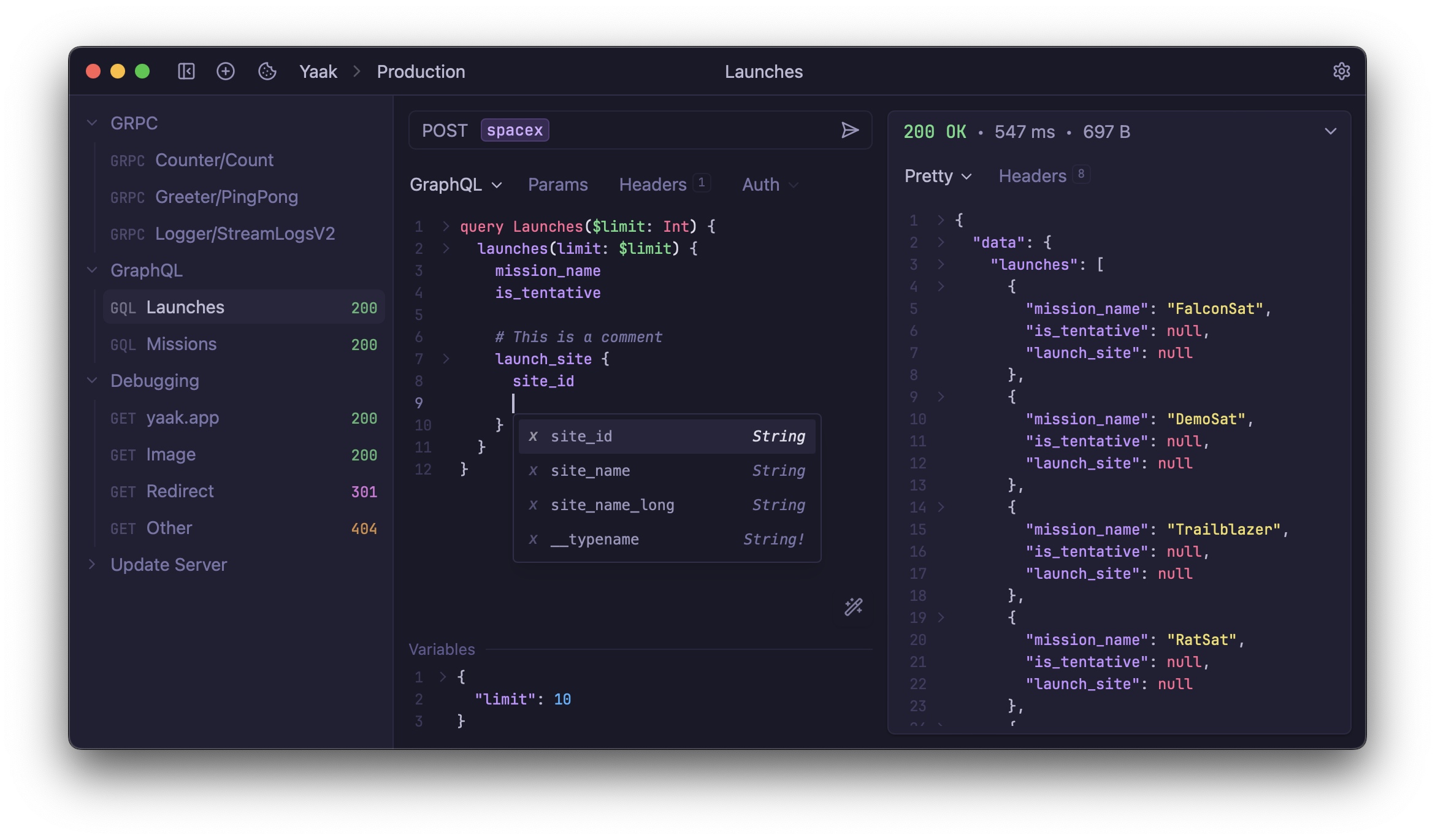
|
||||
|
||||
## Install
|
||||
|
||||
Download Yaak for macOS, Windows, or Linux from [yaak.app/download](https://yaak.app/download). Package managers and other install methods are in the [installation docs](https://yaak.app/docs/getting-started/installation).
|
||||
|
||||
## Features
|
||||
|
||||
Yaak is an offline-first API client designed to stay out of your way while giving you everything you need when you need it.
|
||||
@@ -72,9 +68,3 @@ Built with [Tauri](https://tauri.app), Rust, and React, it’s fast, lightweight
|
||||
- [Yaak vs Postman](https://yaak.app/alternatives/postman)
|
||||
- [Yaak vs Bruno](https://yaak.app/alternatives/bruno)
|
||||
- [Yaak vs Insomnia](https://yaak.app/alternatives/insomnia)
|
||||
|
||||
## License
|
||||
|
||||
The source is [MIT licensed](LICENSE) and can be built and run for free, for both personal and commercial use.
|
||||
|
||||
The prebuilt binaries follow Yaak's [pricing terms](https://yaak.app/pricing): free for personal use, license required for commercial use.
|
||||
@@ -1,42 +1,33 @@
|
||||
import { platform } from "@yaakapp-internal/platform";
|
||||
import type { SettingsTab, SettingsTabWithSubtab } from "../components/Settings/Settings";
|
||||
import type { SettingsTab } from "../components/Settings/Settings";
|
||||
import { activeWorkspaceIdAtom } from "../hooks/useActiveWorkspace";
|
||||
import { createFastMutation } from "../hooks/useFastMutation";
|
||||
import { showDialog } from "../lib/dialog";
|
||||
import { jotaiStore } from "../lib/jotai";
|
||||
import { router } from "../lib/router";
|
||||
import { rpc } from "../lib/rpc";
|
||||
|
||||
export const openSettings = createFastMutation<void, string, SettingsTabWithSubtab | null>({
|
||||
// Allow tab with optional subtab (e.g., "plugins:installed")
|
||||
type SettingsTabWithSubtab = SettingsTab | `${SettingsTab}:${string}` | null;
|
||||
|
||||
export const openSettings = createFastMutation<void, string, SettingsTabWithSubtab>({
|
||||
mutationKey: ["open_settings"],
|
||||
mutationFn: async (tab) => {
|
||||
const workspaceId = jotaiStore.get(activeWorkspaceIdAtom);
|
||||
if (workspaceId == null) return;
|
||||
|
||||
const to = "/workspaces/$workspaceId/settings" as const;
|
||||
const params = { workspaceId };
|
||||
const search = { tab: (tab ?? undefined) as SettingsTab | undefined };
|
||||
|
||||
// Settings is its own window where the host has windows to give. Where it
|
||||
// doesn't — a browser tab — it's a dialog like any other, so opening it
|
||||
// doesn't take you away from the request you were working on.
|
||||
// doesn't — a browser tab — the same route opens in place, which is the
|
||||
// whole difference: it is already a route, not a separate app.
|
||||
if (!platform.capabilities.multiWindow) {
|
||||
// Imported here so Settings stays out of the startup bundle, the way the
|
||||
// route that renders it on desktop already keeps it
|
||||
const { default: Settings } = await import("../components/Settings/Settings");
|
||||
showDialog({
|
||||
id: "settings",
|
||||
size: "md",
|
||||
className: "h-[calc(100vh-5rem)] max-h-150! overflow-hidden",
|
||||
noPadding: true,
|
||||
noScroll: true,
|
||||
// Keyed so opening a specific tab while the dialog is already up moves to it
|
||||
render: ({ hide }) => <Settings key={tab ?? "general"} tab={tab} hide={hide} />,
|
||||
});
|
||||
await router.navigate({ to, params, search });
|
||||
return;
|
||||
}
|
||||
|
||||
const location = router.buildLocation({
|
||||
to: "/workspaces/$workspaceId/settings",
|
||||
params: { workspaceId },
|
||||
search: { tab: (tab ?? undefined) as SettingsTab | undefined },
|
||||
});
|
||||
const location = router.buildLocation({ to, params, search });
|
||||
|
||||
await rpc("cmd_new_child_window", {
|
||||
url: location.href,
|
||||
|
||||
@@ -1,16 +1,10 @@
|
||||
import type {
|
||||
WorkspaceSettingsHighlight,
|
||||
WorkspaceSettingsTab,
|
||||
} from "../components/WorkspaceSettingsDialog";
|
||||
import type { WorkspaceSettingsTab } from "../components/WorkspaceSettingsDialog";
|
||||
import { WorkspaceSettingsDialog } from "../components/WorkspaceSettingsDialog";
|
||||
import { activeWorkspaceIdAtom } from "../hooks/useActiveWorkspace";
|
||||
import { jotaiStore } from "../lib/jotai";
|
||||
|
||||
export function openWorkspaceSettings(
|
||||
tab?: WorkspaceSettingsTab,
|
||||
highlight?: WorkspaceSettingsHighlight,
|
||||
) {
|
||||
export function openWorkspaceSettings(tab?: WorkspaceSettingsTab) {
|
||||
const workspaceId = jotaiStore.get(activeWorkspaceIdAtom);
|
||||
if (workspaceId == null) return;
|
||||
WorkspaceSettingsDialog.show(workspaceId, tab, highlight);
|
||||
WorkspaceSettingsDialog.show(workspaceId, tab);
|
||||
}
|
||||
@@ -31,7 +31,6 @@ import type { Pair } from "./core/PairEditor";
|
||||
import { PairEditor } from "./core/PairEditor";
|
||||
import { PlainInput } from "./core/PlainInput";
|
||||
import { Select } from "./core/Select";
|
||||
import { SecretVariableHint } from "./hints/SecretVariableHint";
|
||||
import { Markdown } from "./Markdown";
|
||||
import { SelectFile } from "./SelectFile";
|
||||
|
||||
@@ -47,8 +46,6 @@ interface Props<T> {
|
||||
stateKey: string;
|
||||
className?: string;
|
||||
disabled?: boolean;
|
||||
/** Offer to move literal secrets typed into password fields into a variable */
|
||||
suggestVariables?: boolean;
|
||||
}
|
||||
|
||||
export function DynamicForm<T extends Record<string, JsonPrimitive>>({
|
||||
@@ -60,7 +57,6 @@ export function DynamicForm<T extends Record<string, JsonPrimitive>>({
|
||||
stateKey,
|
||||
className,
|
||||
disabled,
|
||||
suggestVariables,
|
||||
}: Props<T>) {
|
||||
const setDataAttr = useCallback(
|
||||
(name: string, value: JsonPrimitive) => {
|
||||
@@ -77,7 +73,6 @@ export function DynamicForm<T extends Record<string, JsonPrimitive>>({
|
||||
stateKey={stateKey}
|
||||
autocompleteFunctions={autocompleteFunctions}
|
||||
autocompleteVariables={autocompleteVariables}
|
||||
suggestVariables={suggestVariables}
|
||||
data={data}
|
||||
className={classNames(className, "pb-4")} // Pad the bottom to look nice
|
||||
/>
|
||||
@@ -108,7 +103,6 @@ type FormInputsProps<T> = Pick<
|
||||
> & {
|
||||
setDataAttr: (name: string, value: JsonPrimitive) => void;
|
||||
disabled?: boolean;
|
||||
suggestVariables?: boolean;
|
||||
};
|
||||
|
||||
function FormInputs<T extends Record<string, JsonPrimitive>>({
|
||||
@@ -119,7 +113,6 @@ function FormInputs<T extends Record<string, JsonPrimitive>>({
|
||||
setDataAttr,
|
||||
data,
|
||||
disabled,
|
||||
suggestVariables,
|
||||
}: FormInputsProps<T>) {
|
||||
return (
|
||||
<>
|
||||
@@ -154,7 +147,6 @@ function FormInputs<T extends Record<string, JsonPrimitive>>({
|
||||
arg={input}
|
||||
autocompleteFunctions={autocompleteFunctions || false}
|
||||
autocompleteVariables={autocompleteVariables || false}
|
||||
suggestVariables={suggestVariables || false}
|
||||
onChange={(v) => setDataAttr(input.name, v)}
|
||||
value={
|
||||
data[input.name] != null ? String(data[input.name]) : (input.defaultValue ?? "")
|
||||
@@ -295,7 +287,6 @@ function TextArg({
|
||||
value,
|
||||
autocompleteFunctions,
|
||||
autocompleteVariables,
|
||||
suggestVariables,
|
||||
stateKey,
|
||||
}: {
|
||||
arg: FormInputText;
|
||||
@@ -303,7 +294,6 @@ function TextArg({
|
||||
onChange: (v: string) => void;
|
||||
autocompleteFunctions: boolean;
|
||||
autocompleteVariables: boolean;
|
||||
suggestVariables: boolean;
|
||||
stateKey: string;
|
||||
}) {
|
||||
const props: InputProps = {
|
||||
@@ -326,19 +316,10 @@ function TextArg({
|
||||
autocompleteFunctions,
|
||||
autocompleteVariables,
|
||||
};
|
||||
const input =
|
||||
autocompleteVariables || autocompleteFunctions || arg.completionOptions ? (
|
||||
<Input {...props} />
|
||||
) : (
|
||||
<PlainInput {...props} />
|
||||
);
|
||||
if (!suggestVariables || !arg.password) return input;
|
||||
return (
|
||||
<div className="flex flex-col gap-2">
|
||||
{input}
|
||||
<SecretVariableHint name={arg.name} value={value} onReplace={onChange} />
|
||||
</div>
|
||||
);
|
||||
if (autocompleteVariables || autocompleteFunctions || arg.completionOptions) {
|
||||
return <Input {...props} />;
|
||||
}
|
||||
return <PlainInput {...props} />;
|
||||
}
|
||||
|
||||
function EditorArg({
|
||||
|
||||
@@ -67,14 +67,7 @@ export const EnvironmentActionsDropdown = memo(function EnvironmentActionsDropdo
|
||||
)}
|
||||
// If no environments, the button simply opens the dialog.
|
||||
// NOTE: We don't create a new button because we want to reuse the hotkey from the menu items
|
||||
onClick={
|
||||
subEnvironments.length === 0
|
||||
? (event) => {
|
||||
event.preventDefault();
|
||||
editEnvironment(null);
|
||||
}
|
||||
: undefined
|
||||
}
|
||||
onClick={subEnvironments.length === 0 ? () => editEnvironment(null) : undefined}
|
||||
{...buttonProps}
|
||||
>
|
||||
<EnvironmentColorIndicator environment={activeEnvironment ?? null} />
|
||||
|
||||
@@ -15,7 +15,6 @@ import {
|
||||
withEncryptionEnabled,
|
||||
} from "../lib/setupOrConfigureEncryption";
|
||||
import { DismissibleBanner } from "./core/DismissibleBanner";
|
||||
import { FeatureHint } from "./core/FeatureHint";
|
||||
import type { GenericCompletionConfig } from "./core/Editor/genericCompletion";
|
||||
import type { PairEditorHandle, PairWithId } from "./core/PairEditor";
|
||||
import { ensurePairId } from "./core/PairEditor.util";
|
||||
@@ -153,17 +152,6 @@ export function EnvironmentEditor({ environment, hideName, className, setRef }:
|
||||
This sharable environment contains plain-text secrets
|
||||
</DismissibleBanner>
|
||||
)}
|
||||
{!environment.public && !isEncryptionEnabled && hasSecretLookingVariable(environment) && (
|
||||
<FeatureHint
|
||||
id="encrypt-secrets"
|
||||
className="mr-3"
|
||||
docsUrl="https://yaak.app/docs/collaboration/secrets-encryption"
|
||||
action={{ label: "Enable Encryption", onClick: setupOrConfigureEncryption }}
|
||||
>
|
||||
Some of these look like secrets. Encrypt them so the workspace is safe to sync to a
|
||||
folder or share with a team.
|
||||
</FeatureHint>
|
||||
)}
|
||||
</div>
|
||||
<PairOrBulkEditor
|
||||
setRef={setRef}
|
||||
@@ -185,9 +173,3 @@ export function EnvironmentEditor({ environment, hideName, className, setRef }:
|
||||
</div>
|
||||
);
|
||||
}
|
||||
|
||||
const SECRET_NAME = /token|secret|password|passwd|api[_-]?key|private[_-]?key|credential/i;
|
||||
|
||||
function hasSecretLookingVariable(environment: Environment) {
|
||||
return environment.variables.some((v) => v.value.trim() !== "" && SECRET_NAME.test(v.name));
|
||||
}
|
||||
@@ -1,8 +1,9 @@
|
||||
import { linter } from "@codemirror/lint";
|
||||
import type { EditorView } from "@codemirror/view";
|
||||
import { jsoncLanguage } from "@shopify/lang-jsonc";
|
||||
import { type GrpcRequest, patchModel } from "@yaakapp-internal/models";
|
||||
import { Banner, FormattedError, Icon, InlineCode, VStack } from "@yaakapp-internal/ui";
|
||||
import type { GrpcRequest } from "@yaakapp-internal/models";
|
||||
import { FormattedError, InlineCode, VStack } from "@yaakapp-internal/ui";
|
||||
import classNames from "classnames";
|
||||
import {
|
||||
handleRefresh,
|
||||
jsonCompletion,
|
||||
@@ -10,20 +11,12 @@ import {
|
||||
stateExtensions,
|
||||
updateSchema,
|
||||
} from "codemirror-json-schema";
|
||||
import type { JSONSchema7 } from "json-schema";
|
||||
import type { ReactNode } from "react";
|
||||
import { useCallback, useEffect, useMemo, useState } from "react";
|
||||
import type { ReflectResponseService } from "../hooks/useGrpc";
|
||||
import { wasUpdatedExternally } from "../hooks/useRequestUpdateKey";
|
||||
import { showAlert } from "../lib/alert";
|
||||
import { showConfirm } from "../lib/confirm";
|
||||
import { showDialog } from "../lib/dialog";
|
||||
import type { JsonSchema } from "../lib/jsonSchemaExample";
|
||||
import { buildExampleFromSchema } from "../lib/jsonSchemaExample";
|
||||
import { pluralizeCount } from "../lib/pluralize";
|
||||
import { queryClient } from "../lib/queryClient";
|
||||
import { Button } from "./core/Button";
|
||||
import { Dropdown } from "./core/Dropdown";
|
||||
import type { EditorProps } from "./core/Editor/Editor";
|
||||
import { Editor } from "./core/Editor/LazyEditor";
|
||||
import { GrpcProtoSelectionDialog } from "./GrpcProtoSelectionDialog";
|
||||
@@ -36,11 +29,6 @@ type Props = Pick<EditorProps, "heightMode" | "onChange" | "className" | "forceU
|
||||
protoFiles: string[];
|
||||
};
|
||||
|
||||
type MethodSchema =
|
||||
| { type: "none" }
|
||||
| { type: "schema"; schema: JsonSchema }
|
||||
| { type: "error"; id: string; title: string; body: ReactNode; log: unknown[] };
|
||||
|
||||
export function GrpcEditor({
|
||||
services,
|
||||
reflectionError,
|
||||
@@ -54,16 +42,21 @@ export function GrpcEditor({
|
||||
setEditorView(h);
|
||||
}, []);
|
||||
|
||||
// Find the schema for the selected service and method
|
||||
const methodSchema = useMemo<MethodSchema>(() => {
|
||||
if (services === null || request.service === null || request.method === null) {
|
||||
return { type: "none" };
|
||||
// Find the schema for the selected service and method and update the editor
|
||||
useEffect(() => {
|
||||
if (
|
||||
editorView == null ||
|
||||
services === null ||
|
||||
request.service === null ||
|
||||
request.method === null
|
||||
) {
|
||||
return;
|
||||
}
|
||||
|
||||
const s = services.find((s) => s.name === request.service);
|
||||
if (s == null) {
|
||||
return {
|
||||
type: "error",
|
||||
console.log("Failed to find service", { service: request.service, services });
|
||||
showAlert({
|
||||
id: "grpc-find-service-error",
|
||||
title: "Couldn't Find Service",
|
||||
body: (
|
||||
@@ -71,14 +64,14 @@ export function GrpcEditor({
|
||||
Failed to find service <InlineCode>{request.service}</InlineCode> in schema
|
||||
</>
|
||||
),
|
||||
log: ["Failed to find service", { service: request.service, services }],
|
||||
};
|
||||
});
|
||||
return;
|
||||
}
|
||||
|
||||
const schema = s.methods.find((m) => m.name === request.method)?.schema;
|
||||
if (schema == null) {
|
||||
return {
|
||||
type: "error",
|
||||
if (request.method != null && schema == null) {
|
||||
console.log("Failed to find method", { method: request.method, methods: s?.methods });
|
||||
showAlert({
|
||||
id: "grpc-find-schema-error",
|
||||
title: "Couldn't Find Method",
|
||||
body: (
|
||||
@@ -87,15 +80,18 @@ export function GrpcEditor({
|
||||
<InlineCode>{request.service}</InlineCode> in schema
|
||||
</>
|
||||
),
|
||||
log: ["Failed to find method", { method: request.method, methods: s.methods }],
|
||||
};
|
||||
});
|
||||
return;
|
||||
}
|
||||
|
||||
if (schema == null) {
|
||||
return;
|
||||
}
|
||||
|
||||
try {
|
||||
return { type: "schema", schema: JSON.parse(schema) as JsonSchema };
|
||||
updateSchema(editorView, JSON.parse(schema));
|
||||
} catch (err) {
|
||||
return {
|
||||
type: "error",
|
||||
showAlert({
|
||||
id: "grpc-parse-schema-error",
|
||||
title: "Failed to Parse Schema",
|
||||
body: (
|
||||
@@ -107,22 +103,9 @@ export function GrpcEditor({
|
||||
<FormattedError>{String(err)}</FormattedError>
|
||||
</VStack>
|
||||
),
|
||||
log: ["Failed to parse schema", err],
|
||||
};
|
||||
});
|
||||
}
|
||||
}, [services, request.method, request.service]);
|
||||
|
||||
useEffect(() => {
|
||||
if (methodSchema.type !== "error") return;
|
||||
console.log(...methodSchema.log);
|
||||
showAlert({ id: methodSchema.id, title: methodSchema.title, body: methodSchema.body });
|
||||
}, [methodSchema]);
|
||||
|
||||
// Update the editor whenever the schema changes
|
||||
useEffect(() => {
|
||||
if (editorView == null || methodSchema.type !== "schema") return;
|
||||
updateSchema(editorView, methodSchema.schema as JSONSchema7);
|
||||
}, [editorView, methodSchema]);
|
||||
}, [editorView, services, request.method, request.service]);
|
||||
|
||||
const extraExtensions = useMemo(
|
||||
() => [
|
||||
@@ -141,145 +124,45 @@ export function GrpcEditor({
|
||||
const reflectionUnavailable = reflectionError?.match(/unimplemented/i);
|
||||
reflectionError = reflectionUnavailable ? undefined : reflectionError;
|
||||
|
||||
const handleGenerateExample = useCallback(async () => {
|
||||
if (methodSchema.type !== "schema") return;
|
||||
|
||||
if (request.message.trim() !== "") {
|
||||
const confirmed = await showConfirm({
|
||||
id: "grpc-generate-example",
|
||||
title: "Generate Example",
|
||||
description: "The current message will be replaced with an example.",
|
||||
confirmText: "Generate",
|
||||
});
|
||||
if (!confirmed) return;
|
||||
}
|
||||
|
||||
const message = JSON.stringify(buildExampleFromSchema(methodSchema.schema), null, 2);
|
||||
await patchModel(request, { message });
|
||||
|
||||
// Force the editor to pick up the new message
|
||||
wasUpdatedExternally(request.id);
|
||||
}, [methodSchema, request]);
|
||||
|
||||
// The reflect query is keyed by request, url and proto files, so a prefix invalidate
|
||||
// reaches it without threading a refetch down from the connection layout.
|
||||
const handleReloadSchema = useCallback(
|
||||
() => queryClient.invalidateQueries({ queryKey: ["grpc_reflect", request.id] }),
|
||||
[request.id],
|
||||
);
|
||||
|
||||
const handleShowReflectionError = useCallback(() => {
|
||||
showDialog({
|
||||
id: "grpc-reflection-error",
|
||||
title: "Reflection Failed",
|
||||
size: "sm",
|
||||
render: ({ hide }) => (
|
||||
<>
|
||||
<FormattedError>{reflectionError ?? "unknown"}</FormattedError>
|
||||
<div className="w-full my-4">
|
||||
<Button
|
||||
className="ml-auto"
|
||||
color="primary"
|
||||
size="sm"
|
||||
onClick={async () => {
|
||||
hide();
|
||||
await handleReloadSchema();
|
||||
}}
|
||||
>
|
||||
Retry
|
||||
</Button>
|
||||
</div>
|
||||
</>
|
||||
),
|
||||
});
|
||||
}, [handleReloadSchema, reflectionError]);
|
||||
|
||||
const actions = useMemo(
|
||||
() => [
|
||||
// Matches the GraphQL editor: one always-visible control labelled by schema state,
|
||||
// with everything schema-related behind it.
|
||||
<div key="schema" className="opacity-100!">
|
||||
<Dropdown
|
||||
items={[
|
||||
{
|
||||
// Hidden for servers without reflection, which isn't an error
|
||||
hidden: !reflectionError,
|
||||
type: "content",
|
||||
label: (
|
||||
<Banner color="danger">
|
||||
<p className="mb-1">Reflection failed</p>
|
||||
<Button
|
||||
size="xs"
|
||||
color="danger"
|
||||
variant="border"
|
||||
onClick={handleShowReflectionError}
|
||||
>
|
||||
View Error
|
||||
</Button>
|
||||
</Banner>
|
||||
),
|
||||
},
|
||||
{
|
||||
label: "Generate Example Message",
|
||||
leftSlot: <Icon icon="magic_wand" />,
|
||||
disabled: methodSchema.type !== "schema",
|
||||
onSelect: handleGenerateExample,
|
||||
},
|
||||
{ type: "separator" },
|
||||
{
|
||||
label: "Reload Schema",
|
||||
leftSlot: <Icon icon="refresh" spin={reflectionLoading} />,
|
||||
keepOpenOnSelect: true,
|
||||
onSelect: handleReloadSchema,
|
||||
},
|
||||
{
|
||||
label: protoFiles.length > 0 ? "Select Proto Files\u2026" : "Configure Schema\u2026",
|
||||
leftSlot: <Icon icon="settings" />,
|
||||
onSelect: () => {
|
||||
showDialog({
|
||||
title: "Configure Schema",
|
||||
size: "md",
|
||||
id: "grpc-configure-schema",
|
||||
render: ({ hide }) => <GrpcProtoSelectionDialog onDone={hide} />,
|
||||
});
|
||||
},
|
||||
},
|
||||
]}
|
||||
>
|
||||
<Button
|
||||
size="sm"
|
||||
variant="border"
|
||||
title="Schema"
|
||||
forDropdown
|
||||
isLoading={reflectionLoading}
|
||||
color={reflectionUnavailable ? "info" : reflectionError ? "danger" : "default"}
|
||||
>
|
||||
{reflectionLoading
|
||||
? "Inspecting Schema"
|
||||
<div key="reflection" className={classNames(services == null && "opacity-100!")}>
|
||||
<Button
|
||||
size="xs"
|
||||
color={
|
||||
reflectionLoading
|
||||
? "secondary"
|
||||
: reflectionUnavailable
|
||||
? "Select Proto Files"
|
||||
? "info"
|
||||
: reflectionError
|
||||
? "Server Error"
|
||||
: protoFiles.length > 0
|
||||
? pluralizeCount("File", protoFiles.length)
|
||||
: services != null
|
||||
? "Schema Detected"
|
||||
: "Select Schema"}
|
||||
</Button>
|
||||
</Dropdown>
|
||||
? "danger"
|
||||
: "secondary"
|
||||
}
|
||||
isLoading={reflectionLoading}
|
||||
onClick={() => {
|
||||
showDialog({
|
||||
title: "Configure Schema",
|
||||
size: "md",
|
||||
id: "reflection-failed",
|
||||
render: ({ hide }) => <GrpcProtoSelectionDialog onDone={hide} />,
|
||||
});
|
||||
}}
|
||||
>
|
||||
{reflectionLoading
|
||||
? "Inspecting Schema"
|
||||
: reflectionUnavailable
|
||||
? "Select Proto Files"
|
||||
: reflectionError
|
||||
? "Server Error"
|
||||
: protoFiles.length > 0
|
||||
? pluralizeCount("File", protoFiles.length)
|
||||
: services != null && protoFiles.length === 0
|
||||
? "Schema Detected"
|
||||
: "Select Schema"}
|
||||
</Button>
|
||||
</div>,
|
||||
],
|
||||
[
|
||||
handleGenerateExample,
|
||||
handleReloadSchema,
|
||||
handleShowReflectionError,
|
||||
methodSchema.type,
|
||||
protoFiles.length,
|
||||
reflectionError,
|
||||
reflectionLoading,
|
||||
reflectionUnavailable,
|
||||
services,
|
||||
],
|
||||
[protoFiles.length, reflectionError, reflectionLoading, reflectionUnavailable, services],
|
||||
);
|
||||
|
||||
return (
|
||||
|
||||
@@ -133,8 +133,6 @@ export function GrpcRequestPane({
|
||||
onSend({ message: activeRequest.message });
|
||||
}, [activeRequest, onSend]);
|
||||
|
||||
const hasDescription = activeRequest.description.trim().length > 0;
|
||||
|
||||
const tabs: TabItem[] = useMemo(
|
||||
() => [
|
||||
{ value: TAB_MESSAGE, label: "Message" },
|
||||
@@ -148,10 +146,10 @@ export function GrpcRequestPane({
|
||||
{
|
||||
value: TAB_DESCRIPTION,
|
||||
label: "Info",
|
||||
rightSlot: hasDescription && <CountBadge count={true} />,
|
||||
rightSlot: activeRequest.description && <CountBadge count={true} />,
|
||||
},
|
||||
],
|
||||
[authTab, hasDescription, metadataTab, numSettingsOverrides],
|
||||
[activeRequest.description, authTab, metadataTab, numSettingsOverrides],
|
||||
);
|
||||
|
||||
const handleMetadataChange = useCallback(
|
||||
@@ -196,6 +194,13 @@ export function GrpcRequestPane({
|
||||
type: "default",
|
||||
shortLabel: o.label,
|
||||
}))}
|
||||
itemsAfter={[
|
||||
{
|
||||
label: "Refresh",
|
||||
type: "default",
|
||||
leftSlot: <Icon size="sm" icon="refresh" />,
|
||||
},
|
||||
]}
|
||||
>
|
||||
<Button
|
||||
size="sm"
|
||||
|
||||
@@ -178,7 +178,6 @@ export function HttpAuthenticationEditor({ model }: Props) {
|
||||
disabled={model.authentication.disabled === true}
|
||||
autocompleteVariables
|
||||
autocompleteFunctions
|
||||
suggestVariables
|
||||
stateKey={`auth.${model.id}.${model.authenticationType}`}
|
||||
inputs={authConfig.data?.args ?? []}
|
||||
data={model.authentication}
|
||||
|
||||
@@ -52,7 +52,6 @@ import { JsonBodyEditor } from "./JsonBodyEditor";
|
||||
import { MarkdownEditor } from "./MarkdownEditor";
|
||||
import { RequestMethodDropdown } from "./RequestMethodDropdown";
|
||||
import { countOverriddenSettings, ModelSettingsEditor } from "./ModelSettingsEditor";
|
||||
import { SharedOriginHint } from "./hints/SharedOriginHint";
|
||||
import { UrlBar } from "./UrlBar";
|
||||
import { UrlParametersEditor } from "./UrlParameterEditor";
|
||||
|
||||
@@ -166,8 +165,6 @@ export function HttpRequestPane({ style, fullHeight, className, activeRequest }:
|
||||
: 0;
|
||||
}
|
||||
|
||||
const hasDescription = activeRequest.description.trim().length > 0;
|
||||
|
||||
const tabs = useMemo<TabItem[]>(
|
||||
() => [
|
||||
{
|
||||
@@ -263,7 +260,6 @@ export function HttpRequestPane({ style, fullHeight, className, activeRequest }:
|
||||
{
|
||||
value: TAB_DESCRIPTION,
|
||||
label: "Info",
|
||||
rightSlot: hasDescription && <CountBadge count={true} />,
|
||||
},
|
||||
],
|
||||
[
|
||||
@@ -271,7 +267,6 @@ export function HttpRequestPane({ style, fullHeight, className, activeRequest }:
|
||||
authTab,
|
||||
contentType,
|
||||
handleContentTypeChange,
|
||||
hasDescription,
|
||||
headersTab,
|
||||
numParams,
|
||||
numSettingsOverrides,
|
||||
@@ -345,27 +340,24 @@ export function HttpRequestPane({ style, fullHeight, className, activeRequest }:
|
||||
>
|
||||
{activeRequest && (
|
||||
<>
|
||||
<div>
|
||||
<UrlBar
|
||||
stateKey={`url.${activeRequest.id}`}
|
||||
key={forceUpdateKey + urlKey}
|
||||
url={activeRequest.url}
|
||||
placeholder="https://example.com"
|
||||
onPasteOverwrite={handlePaste}
|
||||
autocomplete={autocomplete}
|
||||
onSend={handleSend}
|
||||
onCancel={cancelResponse}
|
||||
onUrlChange={handleUrlChange}
|
||||
leftSlot={
|
||||
<div className="py-0.5">
|
||||
<RequestMethodDropdown request={activeRequest} className="ml-0.5 h-full!" />
|
||||
</div>
|
||||
}
|
||||
forceUpdateKey={updateKey}
|
||||
isLoading={activeResponse != null && activeResponse.state !== "closed"}
|
||||
/>
|
||||
<SharedOriginHint />
|
||||
</div>
|
||||
<UrlBar
|
||||
stateKey={`url.${activeRequest.id}`}
|
||||
key={forceUpdateKey + urlKey}
|
||||
url={activeRequest.url}
|
||||
placeholder="https://example.com"
|
||||
onPasteOverwrite={handlePaste}
|
||||
autocomplete={autocomplete}
|
||||
onSend={handleSend}
|
||||
onCancel={cancelResponse}
|
||||
onUrlChange={handleUrlChange}
|
||||
leftSlot={
|
||||
<div className="py-0.5">
|
||||
<RequestMethodDropdown request={activeRequest} className="ml-0.5 h-full!" />
|
||||
</div>
|
||||
}
|
||||
forceUpdateKey={updateKey}
|
||||
isLoading={activeResponse != null && activeResponse.state !== "closed"}
|
||||
/>
|
||||
<Tabs
|
||||
ref={tabsRef}
|
||||
label="Request"
|
||||
|
||||
@@ -28,7 +28,6 @@ import { TabContent, Tabs } from "./core/Tabs/Tabs";
|
||||
import { Tooltip } from "./core/Tooltip";
|
||||
import { EmptyStateText } from "./EmptyStateText";
|
||||
import { ErrorBoundary } from "./ErrorBoundary";
|
||||
import { ChainingHint } from "./hints/ChainingHint";
|
||||
import { HttpResponseTimeline } from "./HttpResponseTimeline";
|
||||
import { RecentHttpResponsesDropdown } from "./RecentHttpResponsesDropdown";
|
||||
import { RequestBodyViewer } from "./RequestBodyViewer";
|
||||
@@ -281,7 +280,6 @@ export function HttpResponsePane({ style, className, activeRequestId }: Props) {
|
||||
{activeResponse.error}
|
||||
</Banner>
|
||||
)}
|
||||
{activeResponse && <ChainingHint response={activeResponse} mimeType={mimeType} />}
|
||||
{/* Show tabs if we have any data (headers, body, etc.) even if there's an error */}
|
||||
<Tabs
|
||||
tabs={tabs}
|
||||
|
||||
@@ -1,38 +1,15 @@
|
||||
import {
|
||||
type Folder,
|
||||
type ImportDestination,
|
||||
type ImportPlan,
|
||||
type ImportPlanItem,
|
||||
type ImportSource,
|
||||
type Workspace,
|
||||
} from "@yaakapp-internal/models";
|
||||
import { Banner, HStack, Icon, type IconProps, InlineCode, VStack } from "@yaakapp-internal/ui";
|
||||
import { platform } from "@yaakapp-internal/platform";
|
||||
import { Icon, VStack } from "@yaakapp-internal/ui";
|
||||
import classNames from "classnames";
|
||||
import { formatDistanceToNowStrict } from "date-fns";
|
||||
import { useEffect, useMemo, useRef, useState } from "react";
|
||||
import { pluralize } from "../lib/pluralize";
|
||||
import { useEffect, useRef, useState } from "react";
|
||||
import { useLocalStorage } from "react-use";
|
||||
import { CommercialUseBanner } from "./CommercialUseBanner";
|
||||
import { Button } from "./core/Button";
|
||||
import { Checkbox } from "./core/Checkbox";
|
||||
import type { CheckboxTreeNode } from "./core/CheckboxTree";
|
||||
import { CheckboxTree } from "./core/CheckboxTree";
|
||||
import { IconTooltip } from "./core/IconTooltip";
|
||||
import { PlainInput } from "./core/PlainInput";
|
||||
import { Select } from "./core/Select";
|
||||
import { SegmentedControl } from "./core/SegmentedControl";
|
||||
|
||||
interface Props {
|
||||
currentWorkspace: Workspace | null;
|
||||
workspaces: Workspace[];
|
||||
selectedFolder: Folder | null;
|
||||
planFile: (filePath: string, destination: ImportDestination) => Promise<ImportPlan>;
|
||||
planUrl: (url: string, destination: ImportDestination) => Promise<ImportPlan>;
|
||||
listSources: (workspaceId: string) => Promise<ImportSource[]>;
|
||||
findSourcesForOrigin: (args: { filePath?: string; url?: string }) => Promise<ImportSource[]>;
|
||||
commit: (plan: ImportPlan) => Promise<void>;
|
||||
cancel: () => void;
|
||||
onError: (err: unknown) => void;
|
||||
importFile: (filePath: string) => Promise<void>;
|
||||
importUrl: (url: string) => Promise<void>;
|
||||
}
|
||||
|
||||
/**
|
||||
@@ -54,74 +31,10 @@ function fileName(path: string): string {
|
||||
return path.split(/[/\\]/).at(-1) || path;
|
||||
}
|
||||
|
||||
/**
|
||||
* Loads the current workspace's linked sources before rendering the dialog, so the inner
|
||||
* component can construct its initial state (prefilled path, destination) in one pass instead of
|
||||
* patching it in with effects after the first paint.
|
||||
*/
|
||||
export function ImportDataDialog(props: Props) {
|
||||
const [initialSources, setInitialSources] = useState<ImportSource[] | null>(null);
|
||||
const { currentWorkspace, listSources } = props;
|
||||
|
||||
useEffect(() => {
|
||||
let cancelled = false;
|
||||
const load = currentWorkspace == null ? Promise.resolve([]) : listSources(currentWorkspace.id);
|
||||
load
|
||||
.then((sources) => {
|
||||
if (!cancelled) setInitialSources(sources);
|
||||
})
|
||||
.catch(() => {
|
||||
if (!cancelled) setInitialSources([]);
|
||||
});
|
||||
return () => {
|
||||
cancelled = true;
|
||||
};
|
||||
}, [currentWorkspace, listSources]);
|
||||
|
||||
if (initialSources == null) return null;
|
||||
return <LoadedImportDataDialog {...props} initialSources={initialSources} />;
|
||||
}
|
||||
|
||||
function latestSource(sources: ImportSource[]): ImportSource | null {
|
||||
return sources.reduce<ImportSource | null>(
|
||||
(latest, s) => (latest == null || s.lastImportedAt > latest.lastImportedAt ? s : latest),
|
||||
null,
|
||||
);
|
||||
}
|
||||
|
||||
function LoadedImportDataDialog({
|
||||
currentWorkspace,
|
||||
workspaces,
|
||||
selectedFolder,
|
||||
planFile,
|
||||
planUrl,
|
||||
listSources,
|
||||
findSourcesForOrigin,
|
||||
commit,
|
||||
cancel,
|
||||
onError,
|
||||
initialSources,
|
||||
}: Props & { initialSources: ImportSource[] }) {
|
||||
// A workspace with a linked source is probably being re-imported, so start from that source
|
||||
const prefill = latestSource(initialSources);
|
||||
|
||||
export function ImportDataDialog({ importFile, importUrl }: Props) {
|
||||
const [isLoading, setIsLoading] = useState<boolean>(false);
|
||||
const [plan, setPlan] = useState<ImportPlan | null>(null);
|
||||
const [items, setItems] = useState<ImportPlanItem[]>([]);
|
||||
// null means no explicit choice yet, so the default below applies
|
||||
const [destinationChoice, setDestinationChoice] = useState<"new" | "current" | "other" | null>(
|
||||
null,
|
||||
);
|
||||
const [otherWorkspaceId, setOtherWorkspaceId] = useState<string | null>(null);
|
||||
const [targetSelectedFolder, setTargetSelectedFolder] = useState(selectedFolder != null);
|
||||
const [linkedSources, setLinkedSources] = useState<ImportSource[]>(
|
||||
prefill != null ? initialSources : [],
|
||||
);
|
||||
const [originSources, setOriginSources] = useState<ImportSource[]>(
|
||||
prefill != null ? [prefill] : [],
|
||||
);
|
||||
// A file path or a URL. Both inputs write here, so there is only ever one thing to import
|
||||
const [source, setSource] = useState<string | null>(prefill?.origin ?? null);
|
||||
const [source, setSource] = useLocalStorage<string | null>("importPathOrUrl", null);
|
||||
const [forceUpdateKey, setForceUpdateKey] = useState<number>(0);
|
||||
const [isHovering, setIsHovering] = useState<boolean>(false);
|
||||
const ref = useRef<HTMLDivElement>(null);
|
||||
@@ -152,272 +65,25 @@ function LoadedImportDataDialog({
|
||||
});
|
||||
}, [isHovering, setSource]);
|
||||
|
||||
useEffect(() => {
|
||||
if (trimmedSource === "") {
|
||||
setOriginSources([]);
|
||||
return;
|
||||
}
|
||||
let cancelled = false;
|
||||
const timeout = setTimeout(() => {
|
||||
findSourcesForOrigin(filePath != null ? { filePath } : { url: trimmedSource })
|
||||
.then((sources) => {
|
||||
if (!cancelled) setOriginSources(sources);
|
||||
})
|
||||
.catch(() => setOriginSources([]));
|
||||
}, 300);
|
||||
return () => {
|
||||
cancelled = true;
|
||||
clearTimeout(timeout);
|
||||
};
|
||||
}, [trimmedSource, filePath, findSourcesForOrigin]);
|
||||
|
||||
// The one workspace this file is linked to, if there is exactly one.
|
||||
const linkedWorkspace = useMemo(() => {
|
||||
const ids = [...new Set(originSources.map((s) => s.workspaceId))];
|
||||
if (ids.length !== 1) return null;
|
||||
return workspaces.find((w) => w.id === ids[0]) ?? null;
|
||||
}, [originSources, workspaces]);
|
||||
|
||||
// A file linked to the current workspace defaults back into it, so re-importing doesn't
|
||||
// accidentally create a duplicate workspace. A file linked elsewhere only gets a suggestion —
|
||||
// silently targeting a workspace that is neither new nor current is too surprising. An
|
||||
// explicit choice always wins.
|
||||
const destinationKind =
|
||||
destinationChoice ??
|
||||
(linkedWorkspace != null && linkedWorkspace.id === currentWorkspace?.id ? "current" : "new");
|
||||
|
||||
const destinationWorkspaceId =
|
||||
destinationKind === "current"
|
||||
? (currentWorkspace?.id ?? null)
|
||||
: destinationKind === "other"
|
||||
? otherWorkspaceId
|
||||
: null;
|
||||
|
||||
useEffect(() => {
|
||||
if (destinationWorkspaceId == null) {
|
||||
setLinkedSources([]);
|
||||
return;
|
||||
}
|
||||
let cancelled = false;
|
||||
listSources(destinationWorkspaceId)
|
||||
.then((sources) => {
|
||||
if (!cancelled) setLinkedSources(sources);
|
||||
})
|
||||
.catch(() => setLinkedSources([]));
|
||||
return () => {
|
||||
cancelled = true;
|
||||
};
|
||||
}, [destinationWorkspaceId, listSources]);
|
||||
|
||||
const handleSelectFile = async () => {
|
||||
const selected = await platform.dialog.open({ title: "Select File", multiple: false });
|
||||
if (selected == null) return;
|
||||
selectSource(selected);
|
||||
};
|
||||
|
||||
// The selected folder belongs to the workspace being viewed, so it is only offerable when that
|
||||
// is also the destination.
|
||||
const canTargetSelectedFolder = selectedFolder != null && destinationKind === "current";
|
||||
|
||||
const destination = (): ImportDestination => {
|
||||
if (destinationWorkspaceId == null) {
|
||||
return { type: "new_workspace" };
|
||||
}
|
||||
return {
|
||||
type: "existing_workspace",
|
||||
workspaceId: destinationWorkspaceId,
|
||||
folderId: canTargetSelectedFolder && targetSelectedFolder ? selectedFolder.id : undefined,
|
||||
};
|
||||
};
|
||||
|
||||
const handlePreview = async () => {
|
||||
const handleImport = async () => {
|
||||
setIsLoading(true);
|
||||
try {
|
||||
const nextPlan =
|
||||
filePath != null
|
||||
? await planFile(filePath, destination())
|
||||
: await planUrl(trimmedSource, destination());
|
||||
setPlan(nextPlan);
|
||||
setItems(nextPlan.items);
|
||||
} catch (err) {
|
||||
onError(err);
|
||||
if (filePath != null) {
|
||||
await importFile(filePath);
|
||||
} else {
|
||||
await importUrl(trimmedSource);
|
||||
}
|
||||
} finally {
|
||||
setIsLoading(false);
|
||||
}
|
||||
};
|
||||
|
||||
const handleCommit = async () => {
|
||||
if (plan == null) return;
|
||||
setIsLoading(true);
|
||||
try {
|
||||
await commit({ ...plan, items });
|
||||
} catch (err) {
|
||||
onError(err);
|
||||
} finally {
|
||||
setIsLoading(false);
|
||||
}
|
||||
};
|
||||
|
||||
const itemTree = useMemo(() => buildItemTree(items), [items]);
|
||||
|
||||
// A folder row's checkbox carries everything beneath it, deletions included — the row labels
|
||||
// say which of those are destructive. Checking anything also brings back the folders it needs
|
||||
// to live in.
|
||||
const toggleNode = (node: CheckboxTreeNode<TreeRow>, checked: boolean) => {
|
||||
const targets = new Set(togglableItems(node).map((i) => i.modelId));
|
||||
if (checked && node.data.kind === "item") {
|
||||
const byId = new Map(items.map((i) => [i.modelId, i]));
|
||||
for (const ancestor of ancestorsOf(node.data.item, byId)) {
|
||||
if (isMissingFolder(ancestor)) targets.add(ancestor.modelId);
|
||||
}
|
||||
}
|
||||
setItems((prev) => prev.map((i) => (targets.has(i.modelId) ? { ...i, selected: checked } : i)));
|
||||
};
|
||||
|
||||
const resolveConflict = (modelId: string, resolution: "keep_mine" | "take_source") => {
|
||||
setItems((prev) =>
|
||||
prev.map((item) => (item.modelId === modelId ? { ...item, resolution } : item)),
|
||||
);
|
||||
};
|
||||
|
||||
// Deleting a folder takes its contents with it, so those rows have nothing left to decide.
|
||||
const disabledIds = useMemo(() => {
|
||||
const disabled = new Set<string>();
|
||||
const byId = new Map(items.map((i) => [i.modelId, i]));
|
||||
for (const item of items) {
|
||||
if (item.action !== "delete") continue;
|
||||
for (const parent of ancestorsOf(item, byId)) {
|
||||
if (parent.action === "delete" && parent.selected) {
|
||||
disabled.add(item.modelId);
|
||||
}
|
||||
}
|
||||
}
|
||||
return disabled;
|
||||
}, [items]);
|
||||
|
||||
if (plan != null) {
|
||||
const unchanged = items.filter((i) => i.action === "unchanged");
|
||||
const footerNote =
|
||||
unchanged.length > 0
|
||||
? `${unchanged.length} ${pluralize("resource", unchanged.length)} unchanged`
|
||||
: "";
|
||||
const changeCount = items.filter((item) => {
|
||||
if (disabledIds.has(item.modelId)) return false;
|
||||
if (item.action === "conflict") return item.resolution === "take_source";
|
||||
if (item.action === "unchanged") return false;
|
||||
return item.selected;
|
||||
}).length;
|
||||
|
||||
// The row's label carries what kind of destination it is, so the value can just be its name
|
||||
const [destinationLabel, destinationValue] = ((): [string, string] => {
|
||||
if (plan.destination.type === "new_workspace") {
|
||||
const names = plan.resources.workspaces.map((w) => w.name).filter((n) => n !== "");
|
||||
if (names.length === 0) return ["New workspace", "Untitled"];
|
||||
return [pluralize("New workspace", names.length), names.join(", ")];
|
||||
}
|
||||
const { workspaceId, folderId } = plan.destination;
|
||||
const name = workspaces.find((w) => w.id === workspaceId)?.name ?? "Unknown workspace";
|
||||
return [
|
||||
"Destination",
|
||||
folderId != null && folderId === selectedFolder?.id
|
||||
? `${name} / ${selectedFolder.name}`
|
||||
: name,
|
||||
];
|
||||
})();
|
||||
|
||||
// The destination workspace roots the tree. It is not a plan item — commit always applies
|
||||
// it — so its checkbox only aggregates the subtree.
|
||||
const workspaceRoot: CheckboxTreeNode<TreeRow> = (() => {
|
||||
const planned = plan.resources.workspaces[0];
|
||||
const planDestination = plan.destination;
|
||||
const existing =
|
||||
planDestination.type === "existing_workspace"
|
||||
? workspaces.find((w) => w.id === planDestination.workspaceId)
|
||||
: null;
|
||||
return {
|
||||
key: existing?.id ?? planned?.id ?? "workspace",
|
||||
data: {
|
||||
kind: "destination",
|
||||
label: existing?.name ?? planned?.name ?? "New workspace",
|
||||
isNew: planDestination.type === "new_workspace",
|
||||
},
|
||||
children: itemTree,
|
||||
};
|
||||
})();
|
||||
|
||||
return (
|
||||
<VStack space={4} className="pb-4">
|
||||
<div className="rounded-lg border border-border-subtle divide-y divide-border-subtle">
|
||||
<PreviewRow label="Detected format" value={plan.importer} />
|
||||
<PreviewRow label={destinationLabel} value={destinationValue} />
|
||||
</div>
|
||||
|
||||
{plan.warnings.map((warning) => (
|
||||
<Banner
|
||||
key={`${warning.title}:${warning.detail}`}
|
||||
color={warning.level === "warning" ? "warning" : "info"}
|
||||
className="flex items-start gap-2.5"
|
||||
>
|
||||
<Icon
|
||||
icon={warning.level === "warning" ? "alert_triangle" : "info"}
|
||||
size="sm"
|
||||
className="mt-0.5"
|
||||
/>
|
||||
<div className="min-w-0">
|
||||
<div className="text-sm font-medium">{warning.title}</div>
|
||||
<div className="text-xs text-text-subtle mt-0.5">{warning.detail}</div>
|
||||
</div>
|
||||
</Banner>
|
||||
))}
|
||||
|
||||
<div className="rounded-lg border border-border-subtle px-3 py-2 overflow-y-auto max-h-[40vh]">
|
||||
<CheckboxTree
|
||||
node={workspaceRoot}
|
||||
checked={nodeCheckedStatus}
|
||||
onCheck={toggleNode}
|
||||
isCheckboxDisabled={(n) => disabledIds.has(n.key)}
|
||||
isCollapsedByDefault={(n) => n.data.kind === "item" && n.data.item.action === "ignored"}
|
||||
isRelevant={(n) =>
|
||||
n.data.kind === "destination" ||
|
||||
(n.data.kind === "item" && n.data.item.action !== "unchanged")
|
||||
}
|
||||
renderRow={(n) => <ImportTreeRow row={n.data} onResolveConflict={resolveConflict} />}
|
||||
/>
|
||||
</div>
|
||||
|
||||
<HStack space={2} alignItems="center" className="mt-3">
|
||||
{footerNote !== "" && <div className="text-xs text-text-subtle">{footerNote}</div>}
|
||||
<Button
|
||||
className="ml-auto"
|
||||
color="secondary"
|
||||
variant="border"
|
||||
disabled={isLoading}
|
||||
onClick={() => {
|
||||
setPlan(null);
|
||||
setItems([]);
|
||||
}}
|
||||
>
|
||||
Back
|
||||
</Button>
|
||||
<Button color="primary" isLoading={isLoading} onClick={handleCommit}>
|
||||
{isLoading
|
||||
? "Importing"
|
||||
: changeCount > 0
|
||||
? `Apply ${changeCount} ${changeCount === 1 ? "Change" : "Changes"}`
|
||||
: "Done"}
|
||||
</Button>
|
||||
</HStack>
|
||||
</VStack>
|
||||
);
|
||||
}
|
||||
|
||||
const lastImported =
|
||||
originSources.find((s) => s.workspaceId === destinationWorkspaceId) ??
|
||||
linkedSources.reduce<ImportSource | null>(
|
||||
(latest, s) => (latest == null || s.lastImportedAt > latest.lastImportedAt ? s : latest),
|
||||
null,
|
||||
);
|
||||
|
||||
return (
|
||||
<VStack ref={ref} space={4} className="pb-4">
|
||||
<CommercialUseBanner source="data-import" title="Importing work data?" />
|
||||
@@ -428,9 +94,7 @@ function LoadedImportDataDialog({
|
||||
className={classNames(
|
||||
"w-full rounded-lg border border-dashed px-4 py-6",
|
||||
"flex flex-col items-center gap-1 text-center",
|
||||
isHovering
|
||||
? "border-notice bg-surface-highlight"
|
||||
: "border-border hover:border-text-subtle",
|
||||
isHovering ? "border-notice bg-surface-highlight" : "border-border hover:border-text",
|
||||
)}
|
||||
>
|
||||
<Icon icon="folder_input" className="text-text-subtlest w-8! h-8! mb-2" />
|
||||
@@ -451,345 +115,25 @@ function LoadedImportDataDialog({
|
||||
</div>
|
||||
</button>
|
||||
|
||||
<PlainInput
|
||||
label="Or enter a file path or URL"
|
||||
size="sm"
|
||||
placeholder="https://example.com/openapi.json"
|
||||
defaultValue={source ?? ""}
|
||||
forceUpdateKey={String(forceUpdateKey)}
|
||||
onChange={setSource}
|
||||
/>
|
||||
|
||||
<VStack space={2}>
|
||||
<Select
|
||||
name="import-destination-kind"
|
||||
label="Import location"
|
||||
<PlainInput
|
||||
label="Or enter a file path or URL"
|
||||
size="sm"
|
||||
value={destinationKind}
|
||||
onChange={setDestinationChoice}
|
||||
options={[
|
||||
{ value: "new", label: "New Workspace" },
|
||||
...(currentWorkspace != null
|
||||
? [{ value: "current" as const, label: "Current Workspace" }]
|
||||
: []),
|
||||
{ value: "other", label: "Other Workspace" },
|
||||
]}
|
||||
placeholder="https://example.com/openapi.json"
|
||||
defaultValue={source ?? ""}
|
||||
forceUpdateKey={String(forceUpdateKey)}
|
||||
onChange={setSource}
|
||||
/>
|
||||
{destinationKind === "other" && (
|
||||
<Select
|
||||
name="import-destination-workspace"
|
||||
label="Workspace"
|
||||
hideLabel
|
||||
size="sm"
|
||||
value={otherWorkspaceId ?? ""}
|
||||
onChange={(id) => setOtherWorkspaceId(id === "" ? null : id)}
|
||||
filterable
|
||||
options={[
|
||||
{ value: "", label: "Select a workspace" },
|
||||
...workspaces
|
||||
.filter((w) => w.id !== currentWorkspace?.id)
|
||||
.map((w) => ({ value: w.id, label: w.name })),
|
||||
]}
|
||||
/>
|
||||
)}
|
||||
{lastImported != null && destinationWorkspaceId != null ? (
|
||||
<div className="text-xs text-text-subtle">
|
||||
Last imported from {lastImported.originLabel} ·{" "}
|
||||
{formatDistanceToNowStrict(`${lastImported.lastImportedAt}Z`, { addSuffix: true })}
|
||||
</div>
|
||||
) : linkedWorkspace != null && linkedWorkspace.id !== destinationWorkspaceId ? (
|
||||
<div className="text-xs text-text-subtle">
|
||||
This file was last imported into{" "}
|
||||
<button
|
||||
type="button"
|
||||
className="underline hocus:text-text"
|
||||
onClick={() => {
|
||||
if (linkedWorkspace.id === currentWorkspace?.id) {
|
||||
setDestinationChoice("current");
|
||||
} else {
|
||||
setDestinationChoice("other");
|
||||
setOtherWorkspaceId(linkedWorkspace.id);
|
||||
}
|
||||
}}
|
||||
>
|
||||
{linkedWorkspace.name}
|
||||
</button>
|
||||
</div>
|
||||
) : null}
|
||||
{canTargetSelectedFolder && (
|
||||
<Checkbox
|
||||
checked={targetSelectedFolder}
|
||||
title={`Place root resources in selected folder “${selectedFolder.name}”`}
|
||||
onChange={setTargetSelectedFolder}
|
||||
/>
|
||||
)}
|
||||
</VStack>
|
||||
|
||||
<HStack space={2} justifyContent="end">
|
||||
<Button color="secondary" variant="border" disabled={isLoading} onClick={cancel}>
|
||||
Cancel
|
||||
</Button>
|
||||
<Button
|
||||
color="primary"
|
||||
disabled={
|
||||
trimmedSource === "" ||
|
||||
isLoading ||
|
||||
(destinationKind === "other" && otherWorkspaceId == null)
|
||||
}
|
||||
disabled={trimmedSource === "" || isLoading}
|
||||
isLoading={isLoading}
|
||||
onClick={handlePreview}
|
||||
size="sm"
|
||||
onClick={handleImport}
|
||||
>
|
||||
{isLoading ? "Analyzing" : "Preview Import"}
|
||||
{isLoading ? "Importing" : "Import"}
|
||||
</Button>
|
||||
</HStack>
|
||||
</VStack>
|
||||
</VStack>
|
||||
);
|
||||
}
|
||||
|
||||
function ImportTreeRow({
|
||||
row,
|
||||
onResolveConflict,
|
||||
}: {
|
||||
row: TreeRow;
|
||||
onResolveConflict: (modelId: string, resolution: "keep_mine" | "take_source") => void;
|
||||
}) {
|
||||
if (row.kind !== "item") {
|
||||
return (
|
||||
<>
|
||||
<Icon color="secondary" icon={row.kind === "destination" ? "house" : row.icon} />
|
||||
<div className="truncate flex-1">{row.label}</div>
|
||||
{row.kind === "destination" && row.isNew && (
|
||||
<ActionChip label="new" help="Created by this import" className="text-success" />
|
||||
)}
|
||||
</>
|
||||
);
|
||||
}
|
||||
|
||||
const { item } = row;
|
||||
const label = actionLabel(item);
|
||||
return (
|
||||
<>
|
||||
{item.model === "folder" || item.model === "environment" ? (
|
||||
<Icon color="secondary" icon={item.model === "folder" ? "folder" : "variable"} />
|
||||
) : (
|
||||
<span aria-hidden className="w-4" />
|
||||
)}
|
||||
<div className="truncate flex-1">{item.name}</div>
|
||||
{item.action === "conflict" ? (
|
||||
<div className="shrink-0">
|
||||
<SegmentedControl
|
||||
name={`conflict-${item.modelId}`}
|
||||
label={`Resolve conflict for ${item.name}`}
|
||||
hideLabel
|
||||
size="2xs"
|
||||
help={actionHelp(item)}
|
||||
value={item.resolution ?? "keep_mine"}
|
||||
onChange={(v) => onResolveConflict(item.modelId, v)}
|
||||
options={[
|
||||
{ value: "keep_mine", label: "Keep mine" },
|
||||
{ value: "take_source", label: "Take source" },
|
||||
]}
|
||||
/>
|
||||
</div>
|
||||
) : (
|
||||
label != null && (
|
||||
<ActionChip
|
||||
label={label}
|
||||
help={actionHelp(item)}
|
||||
className={classNames(
|
||||
item.action === "create" && "text-success",
|
||||
item.action === "update" && "text-info",
|
||||
item.action === "delete" && "text-danger",
|
||||
item.action === "keep_local" && item.selected && "text-warning",
|
||||
item.action === "ignored" && "text-text-subtlest",
|
||||
)}
|
||||
/>
|
||||
)
|
||||
)}
|
||||
</>
|
||||
);
|
||||
}
|
||||
|
||||
function ActionChip({
|
||||
label,
|
||||
help,
|
||||
className,
|
||||
}: {
|
||||
label: string;
|
||||
help: string | null;
|
||||
className?: string;
|
||||
}) {
|
||||
return (
|
||||
<InlineCode
|
||||
className={classNames(
|
||||
"py-0 bg-transparent w-32 shrink-0 whitespace-nowrap text-xs",
|
||||
"inline-flex items-center justify-center gap-1.5",
|
||||
className,
|
||||
)}
|
||||
>
|
||||
{label}
|
||||
{help != null && <IconTooltip content={help} iconSize="xs" />}
|
||||
</InlineCode>
|
||||
);
|
||||
}
|
||||
|
||||
function actionLabel(item: ImportPlanItem): string | null {
|
||||
switch (item.action) {
|
||||
case "create":
|
||||
return "new";
|
||||
case "update":
|
||||
return "updated";
|
||||
case "delete":
|
||||
return "removed";
|
||||
case "keep_local":
|
||||
return "edited";
|
||||
case "ignored":
|
||||
return "ignored";
|
||||
default:
|
||||
return null;
|
||||
}
|
||||
}
|
||||
|
||||
function actionHelp(item: ImportPlanItem): string | null {
|
||||
const help = (text: string) =>
|
||||
item.changedFields.length > 0
|
||||
? `${text} · ${item.changedFields.map(fieldLabel).join(", ")}`
|
||||
: text;
|
||||
switch (item.action) {
|
||||
case "create":
|
||||
return "Not in this workspace yet";
|
||||
case "update":
|
||||
return item.reason === "moved_into_ignored_folder"
|
||||
? "Moved into a folder that isn't imported. Importing that folder brings it along"
|
||||
: help("Changed in the source since the last import");
|
||||
case "delete":
|
||||
return "Gone from the source since the last import. Checking it deletes it here";
|
||||
case "keep_local":
|
||||
return help("Changed here since the last import. Checking it reverts to the source");
|
||||
case "conflict":
|
||||
return help("Changed here and in the source since the last import");
|
||||
case "ignored":
|
||||
return "Not in this workspace. Imports leave it alone until you check it";
|
||||
default:
|
||||
return null;
|
||||
}
|
||||
}
|
||||
|
||||
function fieldLabel(field: string): string {
|
||||
return field.replace(/([A-Z])/g, " $1").toLowerCase();
|
||||
}
|
||||
|
||||
/** Every plan item above `item`, nearest first. */
|
||||
function ancestorsOf(item: ImportPlanItem, byId: Map<string, ImportPlanItem>): ImportPlanItem[] {
|
||||
const ancestors: ImportPlanItem[] = [];
|
||||
const seen = new Set<string>();
|
||||
let parentId = item.parentId;
|
||||
while (parentId != null && !seen.has(parentId)) {
|
||||
seen.add(parentId);
|
||||
const parent = byId.get(parentId);
|
||||
if (parent == null) break;
|
||||
ancestors.push(parent);
|
||||
parentId = parent.parentId;
|
||||
}
|
||||
return ancestors;
|
||||
}
|
||||
|
||||
/**
|
||||
* A row of the preview tree. Most are plan items, but the destination workspace and the group the
|
||||
* workspace's environments sit in are headings: they aggregate their children and decide nothing
|
||||
* themselves.
|
||||
*/
|
||||
type TreeRow =
|
||||
| { kind: "destination"; label: string; isNew: boolean }
|
||||
| { kind: "group"; label: string; icon: IconProps["icon"] }
|
||||
| { kind: "item"; item: ImportPlanItem };
|
||||
|
||||
function buildItemTree(items: ImportPlanItem[]): CheckboxTreeNode<TreeRow>[] {
|
||||
const byId = new Map(items.map((i) => [i.modelId, i]));
|
||||
const childrenOf = new Map<string, ImportPlanItem[]>();
|
||||
const roots: ImportPlanItem[] = [];
|
||||
for (const item of items) {
|
||||
if (item.parentId != null && byId.has(item.parentId)) {
|
||||
const siblings = childrenOf.get(item.parentId) ?? [];
|
||||
siblings.push(item);
|
||||
childrenOf.set(item.parentId, siblings);
|
||||
} else {
|
||||
roots.push(item);
|
||||
}
|
||||
}
|
||||
|
||||
const byKind = (list: ImportPlanItem[]) => [
|
||||
...list.filter((i) => i.model === "environment"),
|
||||
...list.filter((i) => i.model === "folder"),
|
||||
...list.filter((i) => i.model !== "environment" && i.model !== "folder"),
|
||||
];
|
||||
|
||||
const toNode = (item: ImportPlanItem, seen: Set<string>): CheckboxTreeNode<TreeRow> => ({
|
||||
key: item.modelId,
|
||||
data: { kind: "item", item },
|
||||
children: seen.has(item.modelId)
|
||||
? []
|
||||
: byKind(childrenOf.get(item.modelId) ?? []).map((c) =>
|
||||
toNode(c, new Set([...seen, item.modelId])),
|
||||
),
|
||||
});
|
||||
|
||||
// The workspace's environments have nothing to sit under — a sub-environment is a sibling of
|
||||
// the base one, not its child — so a heading groups them into one thing to turn on and off.
|
||||
const environments = roots.filter((i) => i.model === "environment");
|
||||
const others = byKind(roots.filter((i) => i.model !== "environment"));
|
||||
const nodes = others.map((r) => toNode(r, new Set()));
|
||||
if (environments.length === 0) return nodes;
|
||||
return [
|
||||
{
|
||||
key: "group:environments",
|
||||
data: { kind: "group", label: "Variables", icon: "variable" },
|
||||
children: environments.map((e) => toNode(e, new Set())),
|
||||
},
|
||||
...nodes,
|
||||
];
|
||||
}
|
||||
|
||||
function collectRows(node: CheckboxTreeNode<TreeRow>): TreeRow[] {
|
||||
return [node.data, ...node.children.flatMap(collectRows)];
|
||||
}
|
||||
|
||||
/** A folder that isn't there yet, so anything inside it needs it brought in first. */
|
||||
function isMissingFolder(item: ImportPlanItem): boolean {
|
||||
return item.model === "folder" && (item.action === "create" || item.action === "ignored");
|
||||
}
|
||||
|
||||
/**
|
||||
* The plan item a row's checkbox decides, if it decides one. An unchanged resource has nothing to
|
||||
* decide and a conflict is decided by its own control, so neither takes a checkbox — nor rides
|
||||
* along with a parent's.
|
||||
*/
|
||||
function togglableItem(row: TreeRow): ImportPlanItem | null {
|
||||
if (row.kind !== "item") return null;
|
||||
const { item } = row;
|
||||
return item.action === "unchanged" || item.action === "conflict" ? null : item;
|
||||
}
|
||||
|
||||
function togglableItems(node: CheckboxTreeNode<TreeRow>): ImportPlanItem[] {
|
||||
return collectRows(node)
|
||||
.map(togglableItem)
|
||||
.filter((i) => i != null);
|
||||
}
|
||||
|
||||
function nodeCheckedStatus(node: CheckboxTreeNode<TreeRow>): boolean | "indeterminate" | "hidden" {
|
||||
const covered = togglableItems(node);
|
||||
if (covered.length === 0) return "hidden";
|
||||
const selected = covered.filter((i) => i.selected).length;
|
||||
if (selected === covered.length) return true;
|
||||
if (selected === 0) return false;
|
||||
return "indeterminate";
|
||||
}
|
||||
|
||||
function PreviewRow({ label, value }: { label: string; value: string }) {
|
||||
return (
|
||||
<div className="flex items-start justify-between gap-4 px-3 py-2 text-sm">
|
||||
<span className="text-text-subtle">{label}</span>
|
||||
<span className="text-right font-medium">{value}</span>
|
||||
</div>
|
||||
);
|
||||
}
|
||||
@@ -2,9 +2,7 @@ import type {
|
||||
Folder,
|
||||
GrpcRequest,
|
||||
HttpRequest,
|
||||
HttpVersion,
|
||||
InheritedBoolSetting,
|
||||
InheritedHttpVersionSetting,
|
||||
InheritedIntSetting,
|
||||
WebsocketRequest,
|
||||
Workspace,
|
||||
@@ -15,7 +13,6 @@ import {
|
||||
modelSupportsSetting,
|
||||
type RequestSettingDefinition,
|
||||
SETTING_FOLLOW_REDIRECTS,
|
||||
SETTING_HTTP_VERSION,
|
||||
SETTING_REQUEST_MESSAGE_SIZE,
|
||||
SETTING_REQUEST_TIMEOUT,
|
||||
SETTING_SEND_COOKIES,
|
||||
@@ -24,7 +21,6 @@ import {
|
||||
} from "../lib/requestSettings";
|
||||
import { Checkbox } from "./core/Checkbox";
|
||||
import { PlainInput } from "./core/PlainInput";
|
||||
import { Select } from "./core/Select";
|
||||
import {
|
||||
SettingOverrideRow,
|
||||
SettingRow,
|
||||
@@ -42,21 +38,37 @@ interface Props {
|
||||
model: ModelWithSettings;
|
||||
}
|
||||
|
||||
type ModelWithSettings = Workspace | Folder | HttpRequest | WebsocketRequest | GrpcRequest;
|
||||
type ModelWithSettings =
|
||||
| Workspace
|
||||
| Folder
|
||||
| HttpRequest
|
||||
| WebsocketRequest
|
||||
| GrpcRequest;
|
||||
type ModelWithHttpSettings = Workspace | Folder | HttpRequest;
|
||||
type ModelWithTlsSettings = Workspace | Folder | HttpRequest | WebsocketRequest | GrpcRequest;
|
||||
type ModelWithCookieSettings = Workspace | Folder | HttpRequest | WebsocketRequest;
|
||||
type ModelWithMessageSizeSettings = Workspace | Folder | WebsocketRequest | GrpcRequest;
|
||||
type ModelWithTlsSettings =
|
||||
| Workspace
|
||||
| Folder
|
||||
| HttpRequest
|
||||
| WebsocketRequest
|
||||
| GrpcRequest;
|
||||
type ModelWithCookieSettings =
|
||||
| Workspace
|
||||
| Folder
|
||||
| HttpRequest
|
||||
| WebsocketRequest;
|
||||
type ModelWithMessageSizeSettings =
|
||||
| Workspace
|
||||
| Folder
|
||||
| WebsocketRequest
|
||||
| GrpcRequest;
|
||||
type BooleanSetting = boolean | InheritedBoolSetting;
|
||||
type IntegerSetting = number | InheritedIntSetting;
|
||||
type HttpVersionSetting = HttpVersion | InheritedHttpVersionSetting;
|
||||
type CookieSettingsPatch = {
|
||||
settingSendCookies?: ModelWithCookieSettings["settingSendCookies"];
|
||||
settingStoreCookies?: ModelWithCookieSettings["settingStoreCookies"];
|
||||
};
|
||||
type HttpSettingsPatch = {
|
||||
settingFollowRedirects?: ModelWithHttpSettings["settingFollowRedirects"];
|
||||
settingHttpVersion?: ModelWithHttpSettings["settingHttpVersion"];
|
||||
settingRequestTimeout?: ModelWithHttpSettings["settingRequestTimeout"];
|
||||
};
|
||||
type TlsSettingsPatch = {
|
||||
@@ -66,7 +78,10 @@ type MessageSizeSettingsPatch = {
|
||||
settingRequestMessageSize?: ModelWithMessageSizeSettings["settingRequestMessageSize"];
|
||||
};
|
||||
|
||||
export function ModelSettingsEditor({ model, showSectionTitles = false }: Props) {
|
||||
export function ModelSettingsEditor({
|
||||
model,
|
||||
showSectionTitles = false,
|
||||
}: Props) {
|
||||
const ancestors = useModelAncestors(model);
|
||||
const supportsHttpSettings = modelSupportsHttpSettings(model);
|
||||
const supportsCookieSettings = modelSupportsCookieSettings(model);
|
||||
@@ -139,26 +154,12 @@ export function ModelSettingsEditor({ model, showSectionTitles = false }: Props)
|
||||
}
|
||||
/>
|
||||
)}
|
||||
{supportsHttpSettings && (
|
||||
<HttpVersionSettingRow
|
||||
settingDefinition={SETTING_HTTP_VERSION}
|
||||
setting={model.settingHttpVersion}
|
||||
inheritedValue={resolveInheritedValue(
|
||||
ancestors,
|
||||
SETTING_HTTP_VERSION.modelKey,
|
||||
model.settingHttpVersion,
|
||||
)}
|
||||
onChange={(settingHttpVersion) =>
|
||||
patchHttpSettings(model, {
|
||||
settingHttpVersion,
|
||||
})
|
||||
}
|
||||
/>
|
||||
)}
|
||||
</SettingsSection>
|
||||
)}
|
||||
{supportsCookieSettings && (
|
||||
<SettingsSection title={supportsTlsSettings || showSectionTitles ? "Cookies" : null}>
|
||||
<SettingsSection
|
||||
title={supportsTlsSettings || showSectionTitles ? "Cookies" : null}
|
||||
>
|
||||
<BooleanSettingRow
|
||||
settingDefinition={SETTING_SEND_COOKIES}
|
||||
setting={model.settingSendCookies}
|
||||
@@ -194,7 +195,7 @@ export function ModelSettingsEditor({ model, showSectionTitles = false }: Props)
|
||||
}
|
||||
|
||||
export function countOverriddenSettings(model: ModelWithSettings) {
|
||||
const settings: (BooleanSetting | IntegerSetting | HttpVersionSetting)[] = [];
|
||||
const settings: (BooleanSetting | IntegerSetting)[] = [];
|
||||
|
||||
if (modelSupportsCookieSettings(model)) {
|
||||
settings.push(model.settingSendCookies, model.settingStoreCookies);
|
||||
@@ -203,22 +204,22 @@ export function countOverriddenSettings(model: ModelWithSettings) {
|
||||
settings.push(model.settingValidateCertificates);
|
||||
|
||||
if (modelSupportsHttpSettings(model)) {
|
||||
settings.push(
|
||||
model.settingFollowRedirects,
|
||||
model.settingRequestTimeout,
|
||||
model.settingHttpVersion,
|
||||
);
|
||||
settings.push(model.settingFollowRedirects, model.settingRequestTimeout);
|
||||
}
|
||||
|
||||
if (modelSupportsMessageSizeSettings(model)) {
|
||||
settings.push(model.settingRequestMessageSize);
|
||||
}
|
||||
|
||||
return settings.filter((setting) => isInheritedSetting(setting) && setting.enabled === true)
|
||||
.length;
|
||||
return settings.filter(
|
||||
(setting) => isInheritedSetting(setting) && setting.enabled === true,
|
||||
).length;
|
||||
}
|
||||
|
||||
function patchCookieSettings(model: ModelWithCookieSettings, patch: Partial<CookieSettingsPatch>) {
|
||||
function patchCookieSettings(
|
||||
model: ModelWithCookieSettings,
|
||||
patch: Partial<CookieSettingsPatch>,
|
||||
) {
|
||||
switch (model.model) {
|
||||
case "workspace":
|
||||
return patchModel(model, patch as Partial<Workspace>);
|
||||
@@ -231,7 +232,10 @@ function patchCookieSettings(model: ModelWithCookieSettings, patch: Partial<Cook
|
||||
}
|
||||
}
|
||||
|
||||
function patchHttpSettings(model: ModelWithHttpSettings, patch: Partial<HttpSettingsPatch>) {
|
||||
function patchHttpSettings(
|
||||
model: ModelWithHttpSettings,
|
||||
patch: Partial<HttpSettingsPatch>,
|
||||
) {
|
||||
switch (model.model) {
|
||||
case "workspace":
|
||||
return patchModel(model, patch as Partial<Workspace>);
|
||||
@@ -242,7 +246,10 @@ function patchHttpSettings(model: ModelWithHttpSettings, patch: Partial<HttpSett
|
||||
}
|
||||
}
|
||||
|
||||
function patchTlsSettings(model: ModelWithTlsSettings, patch: Partial<TlsSettingsPatch>) {
|
||||
function patchTlsSettings(
|
||||
model: ModelWithTlsSettings,
|
||||
patch: Partial<TlsSettingsPatch>,
|
||||
) {
|
||||
switch (model.model) {
|
||||
case "workspace":
|
||||
return patchModel(model, patch as Partial<Workspace>);
|
||||
@@ -273,15 +280,21 @@ function patchMessageSizeSettings(
|
||||
}
|
||||
}
|
||||
|
||||
function modelSupportsHttpSettings(model: ModelWithSettings): model is ModelWithHttpSettings {
|
||||
function modelSupportsHttpSettings(
|
||||
model: ModelWithSettings,
|
||||
): model is ModelWithHttpSettings {
|
||||
return modelSupportsSetting(model, SETTING_REQUEST_TIMEOUT);
|
||||
}
|
||||
|
||||
function modelSupportsCookieSettings(model: ModelWithSettings): model is ModelWithCookieSettings {
|
||||
function modelSupportsCookieSettings(
|
||||
model: ModelWithSettings,
|
||||
): model is ModelWithCookieSettings {
|
||||
return modelSupportsSetting(model, SETTING_SEND_COOKIES);
|
||||
}
|
||||
|
||||
function modelSupportsTlsSettings(model: ModelWithSettings): model is ModelWithTlsSettings {
|
||||
function modelSupportsTlsSettings(
|
||||
model: ModelWithSettings,
|
||||
): model is ModelWithTlsSettings {
|
||||
return modelSupportsSetting(model, SETTING_VALIDATE_CERTIFICATES);
|
||||
}
|
||||
|
||||
@@ -304,7 +317,11 @@ function BooleanSettingRow({
|
||||
}) {
|
||||
const inherited = isInheritedSetting(setting);
|
||||
const overridden = inherited ? setting.enabled === true : false;
|
||||
const value = inherited ? (overridden ? setting.value : inheritedValue) : setting;
|
||||
const value = inherited
|
||||
? overridden
|
||||
? setting.value
|
||||
: inheritedValue
|
||||
: setting;
|
||||
|
||||
if (!inherited) {
|
||||
return (
|
||||
@@ -335,63 +352,6 @@ function BooleanSettingRow({
|
||||
);
|
||||
}
|
||||
|
||||
const HTTP_VERSION_OPTIONS: { label: string; value: HttpVersion }[] = [
|
||||
{ label: "Automatic", value: "auto" },
|
||||
{ label: "HTTP/1.1", value: "http1" },
|
||||
{ label: "HTTP/2", value: "http2" },
|
||||
];
|
||||
|
||||
function HttpVersionSettingRow({
|
||||
inheritedValue,
|
||||
setting,
|
||||
settingDefinition,
|
||||
onChange,
|
||||
}: {
|
||||
inheritedValue: HttpVersion;
|
||||
setting: HttpVersionSetting;
|
||||
settingDefinition: RequestSettingDefinition<"settingHttpVersion">;
|
||||
onChange: (setting: HttpVersionSetting) => void;
|
||||
}) {
|
||||
const inherited = isInheritedSetting(setting);
|
||||
const overridden = inherited ? setting.enabled === true : false;
|
||||
const value = inherited ? (overridden ? setting.value : inheritedValue) : setting;
|
||||
|
||||
if (!inherited) {
|
||||
return (
|
||||
<SettingRow title={settingDefinition.title} description={settingDefinition.description}>
|
||||
<Select
|
||||
hideLabel
|
||||
name={settingDefinition.modelKey}
|
||||
label={settingDefinition.title}
|
||||
size="sm"
|
||||
value={value}
|
||||
options={HTTP_VERSION_OPTIONS}
|
||||
onChange={(value) => onChange(value)}
|
||||
/>
|
||||
</SettingRow>
|
||||
);
|
||||
}
|
||||
|
||||
return (
|
||||
<SettingOverrideRow
|
||||
title={settingDefinition.title}
|
||||
description={settingDefinition.description}
|
||||
overridden={overridden}
|
||||
onResetOverride={() => onChange({ ...setting, enabled: false })}
|
||||
>
|
||||
<Select
|
||||
hideLabel
|
||||
name={settingDefinition.modelKey}
|
||||
label={settingDefinition.title}
|
||||
size="sm"
|
||||
value={value}
|
||||
options={HTTP_VERSION_OPTIONS}
|
||||
onChange={(value) => onChange({ ...setting, enabled: true, value })}
|
||||
/>
|
||||
</SettingOverrideRow>
|
||||
);
|
||||
}
|
||||
|
||||
function IntegerSettingRow({
|
||||
inheritedValue,
|
||||
setting,
|
||||
@@ -405,11 +365,18 @@ function IntegerSettingRow({
|
||||
}) {
|
||||
const inherited = isInheritedSetting(setting);
|
||||
const overridden = inherited ? setting.enabled === true : false;
|
||||
const value = inherited ? (overridden ? setting.value : inheritedValue) : setting;
|
||||
const value = inherited
|
||||
? overridden
|
||||
? setting.value
|
||||
: inheritedValue
|
||||
: setting;
|
||||
|
||||
if (!inherited) {
|
||||
return (
|
||||
<SettingRow title={settingDefinition.title} description={settingDefinition.description}>
|
||||
<SettingRow
|
||||
title={settingDefinition.title}
|
||||
description={settingDefinition.description}
|
||||
>
|
||||
<NumberUnitInput
|
||||
name={settingDefinition.modelKey}
|
||||
label={settingDefinition.title}
|
||||
@@ -462,13 +429,20 @@ function MessageSizeSettingRow({
|
||||
}) {
|
||||
const inherited = isInheritedSetting(setting);
|
||||
const overridden = inherited ? setting.enabled === true : false;
|
||||
const value = inherited ? (overridden ? setting.value : inheritedValue) : setting;
|
||||
const value = inherited
|
||||
? overridden
|
||||
? setting.value
|
||||
: inheritedValue
|
||||
: setting;
|
||||
const displayValue = formatMegabytes(value);
|
||||
const placeholder = "0";
|
||||
|
||||
if (!inherited) {
|
||||
return (
|
||||
<SettingRow title={settingDefinition.title} description={settingDefinition.description}>
|
||||
<SettingRow
|
||||
title={settingDefinition.title}
|
||||
description={settingDefinition.description}
|
||||
>
|
||||
<MessageSizeInput
|
||||
name={settingDefinition.modelKey}
|
||||
label={settingDefinition.title}
|
||||
@@ -593,18 +567,13 @@ function resolveInheritedValue(
|
||||
key: BooleanWorkspaceSettingKey,
|
||||
fallback: BooleanSetting,
|
||||
): boolean;
|
||||
function resolveInheritedValue(
|
||||
ancestors: (Folder | Workspace)[],
|
||||
key: "settingHttpVersion",
|
||||
fallback: HttpVersionSetting,
|
||||
): HttpVersion;
|
||||
function resolveInheritedValue(
|
||||
ancestors: (Folder | Workspace)[],
|
||||
key: keyof WorkspaceSettings,
|
||||
fallback: BooleanSetting | IntegerSetting | HttpVersionSetting,
|
||||
fallback: BooleanSetting | IntegerSetting,
|
||||
) {
|
||||
for (const ancestor of ancestors) {
|
||||
const setting = ancestor[key] as BooleanSetting | IntegerSetting | HttpVersionSetting;
|
||||
const setting = ancestor[key] as BooleanSetting | IntegerSetting;
|
||||
if (isInheritedSetting(setting)) {
|
||||
if (setting.enabled === true) {
|
||||
return setting.value;
|
||||
@@ -620,7 +589,6 @@ function resolveInheritedValue(
|
||||
type WorkspaceSettings = Pick<
|
||||
Workspace,
|
||||
| "settingFollowRedirects"
|
||||
| "settingHttpVersion"
|
||||
| "settingRequestMessageSize"
|
||||
| "settingRequestTimeout"
|
||||
| "settingSendCookies"
|
||||
@@ -630,12 +598,14 @@ type WorkspaceSettings = Pick<
|
||||
|
||||
type BooleanWorkspaceSettingKey = Exclude<
|
||||
keyof WorkspaceSettings,
|
||||
"settingRequestTimeout" | "settingRequestMessageSize" | "settingHttpVersion"
|
||||
"settingRequestTimeout" | "settingRequestMessageSize"
|
||||
>;
|
||||
|
||||
function formatMegabytes(bytes: number) {
|
||||
const megabytes = bytes / BYTES_PER_MB;
|
||||
return Number.isInteger(megabytes) ? `${megabytes}` : megabytes.toFixed(3).replace(/\.?0+$/, "");
|
||||
return Number.isInteger(megabytes)
|
||||
? `${megabytes}`
|
||||
: megabytes.toFixed(3).replace(/\.?0+$/, "");
|
||||
}
|
||||
|
||||
function parseMegabytes(value: string) {
|
||||
@@ -656,5 +626,9 @@ function isValidInteger(value: string) {
|
||||
function isValidMegabytes(value: string) {
|
||||
if (value === "") return true;
|
||||
const megabytes = Number(value);
|
||||
return Number.isFinite(megabytes) && megabytes >= 0 && megabytes <= MAX_MESSAGE_SIZE_MB;
|
||||
return (
|
||||
Number.isFinite(megabytes) &&
|
||||
megabytes >= 0 &&
|
||||
megabytes <= MAX_MESSAGE_SIZE_MB
|
||||
);
|
||||
}
|
||||
@@ -1,3 +1,4 @@
|
||||
import { useSearch } from "@tanstack/react-router";
|
||||
import { platform } from "@yaakapp-internal/platform";
|
||||
import { useLicense } from "@yaakapp-internal/license";
|
||||
import { pluginsAtom, settingsAtom } from "@yaakapp-internal/models";
|
||||
@@ -19,8 +20,6 @@ import { SettingsProxy } from "./SettingsProxy";
|
||||
import { SettingsTheme } from "./SettingsTheme";
|
||||
|
||||
interface Props {
|
||||
tab?: SettingsTabWithSubtab | null;
|
||||
/** Set when Settings is in a dialog rather than owning a window. */
|
||||
hide?: () => void;
|
||||
}
|
||||
|
||||
@@ -43,19 +42,25 @@ const tabs = [
|
||||
TAB_LICENSE,
|
||||
] as const;
|
||||
export type SettingsTab = (typeof tabs)[number];
|
||||
export type SettingsTabWithSubtab = SettingsTab | `${SettingsTab}:${string}`;
|
||||
|
||||
export default function Settings({ tab, hide }: Props) {
|
||||
export default function Settings({ hide }: Props) {
|
||||
const { tab: tabFromQuery } = useSearch({ from: "/workspaces/$workspaceId/settings" });
|
||||
// Parse tab and subtab (e.g., "plugins:installed")
|
||||
const [mainTab, subtab] = tab?.split(":") ?? [];
|
||||
const [mainTab, subtab] = tabFromQuery?.split(":") ?? [];
|
||||
const settings = useAtomValue(settingsAtom);
|
||||
const plugins = useAtomValue(pluginsAtom);
|
||||
const licenseCheck = useLicense();
|
||||
|
||||
// Close settings window on escape. In a dialog, the dialog handles Escape itself.
|
||||
// Close settings window on escape
|
||||
// TODO: Could this be put in a better place? Eg. in Rust key listener when creating the window
|
||||
useKeyPressEvent("Escape", async () => {
|
||||
if (hide == null) await platform.window.close();
|
||||
if (hide != null) {
|
||||
// It's being shown in a dialog, so close the dialog
|
||||
hide();
|
||||
} else {
|
||||
// It's being shown in a window, so close the window
|
||||
await platform.window.close();
|
||||
}
|
||||
});
|
||||
|
||||
return (
|
||||
@@ -85,7 +90,7 @@ export default function Settings({ tab, hide }: Props) {
|
||||
)}
|
||||
<Tabs
|
||||
layout="horizontal"
|
||||
defaultValue={mainTab}
|
||||
defaultValue={mainTab || tabFromQuery}
|
||||
addBorders
|
||||
tabListClassName="min-w-40 bg-surface x-theme-sidebar border-r border-border pl-3"
|
||||
label="Settings"
|
||||
|
||||
@@ -124,7 +124,7 @@ export function SettingsHotkeys() {
|
||||
<HotkeyRow
|
||||
key={action}
|
||||
action={action}
|
||||
currentKeys={hotkeys[action] ?? []}
|
||||
currentKeys={hotkeys[action]}
|
||||
defaultKeys={defaultHotkeys[action]}
|
||||
onSave={async (keys) => {
|
||||
const newHotkeys = { ...settings.hotkeys };
|
||||
|
||||
@@ -59,7 +59,6 @@ export function SyncToFilesystemSetting({
|
||||
)}
|
||||
|
||||
<SettingRowDirectory
|
||||
highlightKey="sync_dir"
|
||||
title="Local directory sync"
|
||||
description="Sync data to a folder for backup and Git integration."
|
||||
filePath={value.filePath}
|
||||
|
||||
@@ -110,8 +110,6 @@ export function WebsocketRequestPane({ style, fullHeight, className, activeReque
|
||||
[activeRequest.url, activeRequest.urlParameters, handleRenamePathPlaceholder],
|
||||
);
|
||||
|
||||
const hasDescription = activeRequest.description.trim().length > 0;
|
||||
|
||||
const tabs = useMemo<TabItem[]>(() => {
|
||||
return [
|
||||
{
|
||||
@@ -133,10 +131,9 @@ export function WebsocketRequestPane({ style, fullHeight, className, activeReque
|
||||
{
|
||||
value: TAB_DESCRIPTION,
|
||||
label: "Info",
|
||||
rightSlot: hasDescription && <CountBadge count={true} />,
|
||||
},
|
||||
];
|
||||
}, [authTab, hasDescription, headersTab, numSettingsOverrides, urlParameterPairs.length]);
|
||||
}, [authTab, headersTab, numSettingsOverrides, urlParameterPairs.length]);
|
||||
|
||||
const { activeResponse } = usePinnedHttpResponse(activeRequestId);
|
||||
const { mutate: cancelResponse } = useCancelHttpResponse(activeResponse?.id ?? null);
|
||||
|
||||
@@ -25,12 +25,8 @@ interface Props {
|
||||
workspaceId: string;
|
||||
hide: () => void;
|
||||
tab?: WorkspaceSettingsTab;
|
||||
highlight?: WorkspaceSettingsHighlight;
|
||||
}
|
||||
|
||||
/** Settings rows that can be pointed out when the dialog opens */
|
||||
export type WorkspaceSettingsHighlight = "sync_dir";
|
||||
|
||||
const TAB_AUTH = "auth";
|
||||
const TAB_DNS = "dns";
|
||||
const TAB_HEADERS = "headers";
|
||||
@@ -46,7 +42,7 @@ export type WorkspaceSettingsTab =
|
||||
|
||||
const DEFAULT_TAB: WorkspaceSettingsTab = TAB_GENERAL;
|
||||
|
||||
export function WorkspaceSettingsDialog({ workspaceId, hide, tab, highlight }: Props) {
|
||||
export function WorkspaceSettingsDialog({ workspaceId, hide, tab }: Props) {
|
||||
const workspace = useAtomValue(workspacesAtom).find((w) => w.id === workspaceId);
|
||||
const workspaceMeta = useAtomValue(workspaceMetasAtom).find((m) => m.workspaceId === workspaceId);
|
||||
const authTab = useAuthTab(TAB_AUTH, workspace ?? null);
|
||||
@@ -108,7 +104,7 @@ export function WorkspaceSettingsDialog({ workspaceId, hide, tab, highlight }: P
|
||||
/>
|
||||
</TabContent>
|
||||
<TabContent value={TAB_SETTINGS} className="overflow-y-auto h-full px-4">
|
||||
<SettingsList className="space-y-8 pb-3" highlight={highlight}>
|
||||
<SettingsList className="space-y-8 pb-3">
|
||||
<SettingsSection title={null}>
|
||||
<SyncToFilesystemSetting
|
||||
layout="settings"
|
||||
@@ -182,23 +178,14 @@ export function WorkspaceSettingsDialog({ workspaceId, hide, tab, highlight }: P
|
||||
);
|
||||
}
|
||||
|
||||
WorkspaceSettingsDialog.show = (
|
||||
workspaceId: string,
|
||||
tab?: WorkspaceSettingsTab,
|
||||
highlight?: WorkspaceSettingsHighlight,
|
||||
) => {
|
||||
WorkspaceSettingsDialog.show = (workspaceId: string, tab?: WorkspaceSettingsTab) => {
|
||||
showDialog({
|
||||
id: "workspace-settings",
|
||||
size: "lg",
|
||||
className: "h-[calc(100vh-5rem)] max-h-200!",
|
||||
noPadding: true,
|
||||
render: ({ hide }) => (
|
||||
<WorkspaceSettingsDialog
|
||||
workspaceId={workspaceId}
|
||||
hide={hide}
|
||||
tab={tab}
|
||||
highlight={highlight}
|
||||
/>
|
||||
<WorkspaceSettingsDialog workspaceId={workspaceId} hide={hide} tab={tab} />
|
||||
),
|
||||
});
|
||||
};
|
||||
@@ -1,114 +0,0 @@
|
||||
import { Icon } from "@yaakapp-internal/ui";
|
||||
import classNames from "classnames";
|
||||
import type { ReactNode } from "react";
|
||||
import { useState } from "react";
|
||||
import type { CheckboxProps } from "./Checkbox";
|
||||
import { Checkbox } from "./Checkbox";
|
||||
|
||||
export interface CheckboxTreeNode<T> {
|
||||
key: string;
|
||||
data: T;
|
||||
children: CheckboxTreeNode<T>[];
|
||||
}
|
||||
|
||||
interface Props<T> {
|
||||
node: CheckboxTreeNode<T>;
|
||||
depth?: number;
|
||||
/** Return "hidden" to render row alignment space instead of a checkbox */
|
||||
checked: (node: CheckboxTreeNode<T>) => CheckboxProps["checked"] | "hidden";
|
||||
onCheck: (node: CheckboxTreeNode<T>, checked: boolean) => void;
|
||||
checkboxTitle?: (node: CheckboxTreeNode<T>) => string;
|
||||
isCheckboxDisabled?: (node: CheckboxTreeNode<T>) => boolean;
|
||||
/** An irrelevant row is hidden unless one of its descendants is relevant */
|
||||
isRelevant: (node: CheckboxTreeNode<T>) => boolean;
|
||||
/** A node that starts collapsed, so a large subtree doesn't crowd out the rest */
|
||||
isCollapsedByDefault?: (node: CheckboxTreeNode<T>) => boolean;
|
||||
renderRow: (node: CheckboxTreeNode<T>) => ReactNode;
|
||||
onSelectRow?: (node: CheckboxTreeNode<T>) => void;
|
||||
canSelectRow?: (node: CheckboxTreeNode<T>) => boolean;
|
||||
isRowSelected?: (node: CheckboxTreeNode<T>) => boolean;
|
||||
}
|
||||
|
||||
export function CheckboxTree<T>(props: Props<T>) {
|
||||
const { node, depth = 0 } = props;
|
||||
const [collapsed, setCollapsed] = useState<boolean>(
|
||||
() => props.isCollapsedByDefault?.(node) ?? false,
|
||||
);
|
||||
if (!hasRelevantNode(node, props.isRelevant)) return null;
|
||||
|
||||
const checked = props.checked(node);
|
||||
const selected = props.isRowSelected?.(node) ?? false;
|
||||
const selectable = props.onSelectRow != null && (props.canSelectRow?.(node) ?? true);
|
||||
const hasVisibleChildren = node.children.some((c) => hasRelevantNode(c, props.isRelevant));
|
||||
const rowContent = (
|
||||
<div className="flex-1 min-w-0 flex items-center gap-1 px-1 py-0.5 text-left">
|
||||
{props.renderRow(node)}
|
||||
</div>
|
||||
);
|
||||
|
||||
return (
|
||||
<div
|
||||
className={classNames(
|
||||
depth > 0 && "pl-4 ml-2 border-l border-dashed border-border-subtle relative",
|
||||
)}
|
||||
>
|
||||
<div
|
||||
className={classNames(
|
||||
"relative flex gap-1 w-full h-xs items-center",
|
||||
selected ? "text-text" : "text-text-subtle",
|
||||
)}
|
||||
>
|
||||
{selected && (
|
||||
<div className="absolute left-[-100vw] right-0 top-0 bottom-0 bg-surface-active opacity-30 -z-10" />
|
||||
)}
|
||||
{hasVisibleChildren ? (
|
||||
<button
|
||||
type="button"
|
||||
aria-label={collapsed ? "Expand" : "Collapse"}
|
||||
aria-expanded={!collapsed}
|
||||
className="shrink-0 text-text-subtlest hocus:text-text"
|
||||
onClick={() => setCollapsed((v) => !v)}
|
||||
>
|
||||
<Icon size="sm" icon={collapsed ? "chevron_right" : "chevron_down"} />
|
||||
</button>
|
||||
) : (
|
||||
<span aria-hidden className="w-4 shrink-0" />
|
||||
)}
|
||||
{checked === "hidden" ? (
|
||||
<span aria-hidden className="w-4 mr-0.5 shrink-0" />
|
||||
) : (
|
||||
<Checkbox
|
||||
checked={checked}
|
||||
title={props.checkboxTitle?.(node) ?? "Toggle"}
|
||||
hideLabel
|
||||
disabled={props.isCheckboxDisabled?.(node)}
|
||||
onChange={(checked) => props.onCheck(node, checked)}
|
||||
/>
|
||||
)}
|
||||
{selectable ? (
|
||||
<button
|
||||
type="button"
|
||||
className="flex-1 min-w-0 flex text-left"
|
||||
onClick={() => props.onSelectRow?.(node)}
|
||||
>
|
||||
{rowContent}
|
||||
</button>
|
||||
) : (
|
||||
rowContent
|
||||
)}
|
||||
</div>
|
||||
|
||||
{!collapsed &&
|
||||
node.children.map((child) => (
|
||||
<CheckboxTree key={child.key} {...props} node={child} depth={depth + 1} />
|
||||
))}
|
||||
</div>
|
||||
);
|
||||
}
|
||||
|
||||
function hasRelevantNode<T>(
|
||||
node: CheckboxTreeNode<T>,
|
||||
isRelevant: (node: CheckboxTreeNode<T>) => boolean,
|
||||
): boolean {
|
||||
return isRelevant(node) || node.children.some((c) => hasRelevantNode(c, isRelevant));
|
||||
}
|
||||
@@ -10,13 +10,11 @@ export interface DialogProps {
|
||||
children: ReactNode;
|
||||
open: boolean;
|
||||
onClose?: () => void;
|
||||
/** Block dismissal from the backdrop, Escape key, and built-in close button. */
|
||||
disableClose?: boolean;
|
||||
disableBackdropClose?: boolean;
|
||||
title?: ReactNode;
|
||||
description?: ReactNode;
|
||||
className?: string;
|
||||
size?: DialogSize;
|
||||
/** Hide the built-in close button without changing backdrop or Escape behavior. */
|
||||
hideX?: boolean;
|
||||
noPadding?: boolean;
|
||||
noScroll?: boolean;
|
||||
@@ -29,7 +27,7 @@ export function Dialog({
|
||||
size = "full",
|
||||
open,
|
||||
onClose,
|
||||
disableClose,
|
||||
disableBackdropClose,
|
||||
title,
|
||||
description,
|
||||
hideX,
|
||||
@@ -44,7 +42,7 @@ export function Dialog({
|
||||
);
|
||||
|
||||
return (
|
||||
<Overlay open={open} onClose={disableClose ? undefined : onClose} portalName="dialog">
|
||||
<Overlay open={open} onClose={disableBackdropClose ? undefined : onClose} portalName="dialog">
|
||||
<div
|
||||
role="dialog"
|
||||
className={classNames(
|
||||
@@ -60,7 +58,7 @@ export function Dialog({
|
||||
// NOTE: We handle Escape on the element itself so that it doesn't close multiple
|
||||
// dialogs and can be intercepted by children if needed.
|
||||
if (e.key === "Escape") {
|
||||
if (!disableClose) onClose?.();
|
||||
onClose?.();
|
||||
e.stopPropagation();
|
||||
e.preventDefault();
|
||||
}
|
||||
@@ -112,7 +110,7 @@ export function Dialog({
|
||||
</div>
|
||||
|
||||
{/*Put close at the end so that it's the last thing to be tabbed to*/}
|
||||
{!disableClose && !hideX && (
|
||||
{!hideX && (
|
||||
<div className="ml-auto absolute right-1 top-1">
|
||||
<IconButton
|
||||
className="opacity-70 hover:opacity-100"
|
||||
|
||||
@@ -2,12 +2,11 @@ import type { Color } from "@yaakapp-internal/plugins";
|
||||
import type { BannerProps } from "@yaakapp-internal/ui";
|
||||
import { Banner } from "@yaakapp-internal/ui";
|
||||
import classNames from "classnames";
|
||||
import type { MouseEvent, ReactNode } from "react";
|
||||
import type { MouseEvent } from "react";
|
||||
import { useEffect } from "react";
|
||||
import { useKeyValue } from "../../hooks/useKeyValue";
|
||||
import type { ButtonProps } from "./Button";
|
||||
import { Button } from "./Button";
|
||||
import { IconButton } from "./IconButton";
|
||||
|
||||
type DismissibleBannerSize = "sm" | "xs";
|
||||
|
||||
@@ -19,21 +18,17 @@ export function DismissibleBanner({
|
||||
onDismiss,
|
||||
onShow,
|
||||
actions,
|
||||
variant = "banner",
|
||||
...props
|
||||
}: BannerProps & {
|
||||
id: string;
|
||||
size?: DismissibleBannerSize;
|
||||
onDismiss?: () => void | Promise<void>;
|
||||
onShow?: () => void | Promise<void>;
|
||||
/** A tip dismisses with an X in the corner instead of a text button */
|
||||
variant?: "banner" | "tip";
|
||||
actions?: {
|
||||
label: string;
|
||||
onClick: () => void;
|
||||
color?: Color;
|
||||
variant?: ButtonProps["variant"];
|
||||
rightSlot?: ReactNode;
|
||||
}[];
|
||||
}) {
|
||||
const {
|
||||
@@ -61,69 +56,54 @@ export function DismissibleBanner({
|
||||
event.preventDefault();
|
||||
event.stopPropagation();
|
||||
};
|
||||
const dismiss = (event: MouseEvent) => {
|
||||
stopParentClick(event);
|
||||
setDismissed(true).catch(console.error);
|
||||
Promise.resolve(onDismiss?.()).catch(console.error);
|
||||
};
|
||||
const isTip = variant === "tip";
|
||||
const hasActionRow = !isTip || (actions?.length ?? 0) > 0;
|
||||
|
||||
return (
|
||||
<Banner
|
||||
className={classNames(className, "relative", size === "xs" && "!px-2 !py-2 text-xs")}
|
||||
className={classNames(
|
||||
className,
|
||||
"relative",
|
||||
size === "xs" && "!px-2 !py-2 text-xs",
|
||||
)}
|
||||
{...props}
|
||||
>
|
||||
<div className={classNames("@container", isTip && "relative")}>
|
||||
{isTip && (
|
||||
<IconButton
|
||||
icon="x"
|
||||
size="2xs"
|
||||
iconSize="sm"
|
||||
title="Dismiss message"
|
||||
className="absolute! -top-0.5 -right-1 @[34rem]:top-1/2 @[34rem]:-translate-y-1/2 opacity-50 hover:opacity-100"
|
||||
onClick={dismiss}
|
||||
/>
|
||||
)}
|
||||
<div className="@container">
|
||||
<div
|
||||
className={classNames(
|
||||
"grid @[34rem]:grid-cols-[minmax(0,1fr)_auto] @[34rem]:items-center",
|
||||
isTip && "@[34rem]:pr-5",
|
||||
size === "xs" ? "gap-1.5 @[34rem]:gap-2" : "gap-2 @[34rem]:gap-3",
|
||||
)}
|
||||
>
|
||||
{isTip ? <div className="pr-5 @[34rem]:pr-0">{children}</div> : children}
|
||||
{hasActionRow && (
|
||||
<div className="flex flex-col gap-1.5 @[16rem]:flex-row @[16rem]:flex-wrap @[16rem]:justify-end">
|
||||
{!isTip && (
|
||||
<Button
|
||||
variant="border"
|
||||
color={props.color}
|
||||
size={actionSize}
|
||||
onClick={dismiss}
|
||||
title="Dismiss message"
|
||||
>
|
||||
Dismiss
|
||||
</Button>
|
||||
)}
|
||||
{actions?.map((a) => (
|
||||
<Button
|
||||
key={a.label}
|
||||
rightSlot={a.rightSlot}
|
||||
variant={a.variant ?? "border"}
|
||||
color={a.color ?? props.color}
|
||||
size={actionSize}
|
||||
onClick={(event) => {
|
||||
stopParentClick(event);
|
||||
a.onClick();
|
||||
}}
|
||||
title={a.label}
|
||||
>
|
||||
{a.label}
|
||||
</Button>
|
||||
))}
|
||||
</div>
|
||||
)}
|
||||
{children}
|
||||
<div className="flex flex-wrap gap-1.5 @[34rem]:justify-end">
|
||||
<Button
|
||||
variant="border"
|
||||
color={props.color}
|
||||
size={actionSize}
|
||||
onClick={(event) => {
|
||||
stopParentClick(event);
|
||||
setDismissed(true).catch(console.error);
|
||||
Promise.resolve(onDismiss?.()).catch(console.error);
|
||||
}}
|
||||
title="Dismiss message"
|
||||
>
|
||||
Dismiss
|
||||
</Button>
|
||||
{actions?.map((a) => (
|
||||
<Button
|
||||
key={a.label}
|
||||
variant={a.variant ?? "border"}
|
||||
color={a.color ?? props.color}
|
||||
size={actionSize}
|
||||
onClick={(event) => {
|
||||
stopParentClick(event);
|
||||
a.onClick();
|
||||
}}
|
||||
title={a.label}
|
||||
>
|
||||
{a.label}
|
||||
</Button>
|
||||
))}
|
||||
</div>
|
||||
</div>
|
||||
</div>
|
||||
</Banner>
|
||||
|
||||
@@ -601,8 +601,6 @@ function getExtensions({
|
||||
EditorView.contentAttributes.of({
|
||||
autocapitalize: "off",
|
||||
autocorrect: "off",
|
||||
// Keeps macOS Writing Tools from offering to write code for us
|
||||
writingsuggestions: "false",
|
||||
}),
|
||||
EditorView.domEventHandlers({
|
||||
focus: () => {
|
||||
|
||||
@@ -1,29 +1,9 @@
|
||||
import type { Diagnostic } from "@codemirror/lint";
|
||||
import type { EditorView } from "@codemirror/view";
|
||||
import { type ParseError, parse, printParseErrorCode } from "jsonc-parser";
|
||||
import { parse as jsonLintParse } from "@prantlf/jsonlint";
|
||||
|
||||
const TEMPLATE_SYNTAX_REGEX = /\$\{\[[\s\S]*?]}/g;
|
||||
|
||||
// jsonc-parser reports error codes, so these are the words the editor shows for them
|
||||
const MESSAGES: Record<string, string> = {
|
||||
InvalidSymbol: "Invalid symbol",
|
||||
InvalidNumberFormat: "Invalid number format",
|
||||
PropertyNameExpected: "Property name expected",
|
||||
ValueExpected: "Value expected",
|
||||
ColonExpected: "Colon expected",
|
||||
CommaExpected: "Comma expected",
|
||||
CloseBraceExpected: "Closing brace expected",
|
||||
CloseBracketExpected: "Closing bracket expected",
|
||||
EndOfFileExpected: "End of file expected",
|
||||
InvalidCommentToken: "Comments are not allowed",
|
||||
UnexpectedEndOfComment: "Unexpected end of comment",
|
||||
UnexpectedEndOfString: "Unexpected end of string",
|
||||
UnexpectedEndOfNumber: "Unexpected end of number",
|
||||
InvalidUnicode: "Invalid unicode sequence",
|
||||
InvalidEscapeCharacter: "Invalid escape character",
|
||||
InvalidCharacter: "Invalid character",
|
||||
};
|
||||
|
||||
interface JsonLintOptions {
|
||||
allowComments?: boolean;
|
||||
allowTrailingCommas?: boolean;
|
||||
@@ -31,28 +11,34 @@ interface JsonLintOptions {
|
||||
|
||||
export function jsonParseLinter(options?: JsonLintOptions) {
|
||||
return (view: EditorView): Diagnostic[] => {
|
||||
const doc = view.state.doc.toString();
|
||||
// We need lint to not break on stuff like {"foo:" ${[ ... ]}} so we'll replace all template
|
||||
// syntax with repeating `1` characters, so it's valid JSON and the position is still correct.
|
||||
const escapedDoc = doc.replace(TEMPLATE_SYNTAX_REGEX, (m) => "1".repeat(m.length));
|
||||
try {
|
||||
const doc = view.state.doc.toString();
|
||||
// We need lint to not break on stuff like {"foo:" ${[ ... ]}} so we'll replace all template
|
||||
// syntax with repeating `1` characters, so it's valid JSON and the position is still correct.
|
||||
const escapedDoc = doc.replace(TEMPLATE_SYNTAX_REGEX, (m) => "1".repeat(m.length));
|
||||
jsonLintParse(escapedDoc, {
|
||||
mode: (options?.allowComments ?? true) ? "cjson" : "json",
|
||||
ignoreTrailingCommas: options?.allowTrailingCommas ?? false,
|
||||
});
|
||||
// oxlint-disable-next-line no-explicit-any
|
||||
} catch (err: any) {
|
||||
if (!("location" in err)) {
|
||||
return [];
|
||||
}
|
||||
|
||||
const errors: ParseError[] = [];
|
||||
parse(escapedDoc, errors, {
|
||||
allowTrailingComma: options?.allowTrailingCommas ?? false,
|
||||
disallowComments: !(options?.allowComments ?? true),
|
||||
});
|
||||
|
||||
// Later errors are mostly consequences of the first one, so only that one is shown
|
||||
const error = errors[0];
|
||||
if (error == null) return [];
|
||||
|
||||
return [
|
||||
{
|
||||
from: error.offset,
|
||||
to: error.offset + error.length,
|
||||
severity: "error",
|
||||
message: MESSAGES[printParseErrorCode(error.error)] ?? "Invalid JSON",
|
||||
},
|
||||
];
|
||||
// const line = location?.start?.line;
|
||||
// const column = location?.start?.column;
|
||||
if (err.location.start.offset) {
|
||||
return [
|
||||
{
|
||||
from: err.location.start.offset,
|
||||
to: err.location.start.offset,
|
||||
severity: "error",
|
||||
message: err.message,
|
||||
},
|
||||
];
|
||||
}
|
||||
}
|
||||
return [];
|
||||
};
|
||||
}
|
||||
@@ -1,202 +0,0 @@
|
||||
import { SearchQuery } from "@codemirror/search";
|
||||
import { EditorState } from "@codemirror/state";
|
||||
import { describe, expect, test } from "vite-plus/test";
|
||||
import {
|
||||
currentMatch,
|
||||
literalSearch,
|
||||
MAX_COUNT,
|
||||
MatchCounter,
|
||||
normalizeDoc,
|
||||
normalizeSearch,
|
||||
scanNormalized,
|
||||
scanQuery,
|
||||
} from "./searchMatchCount";
|
||||
|
||||
type QueryConfig = ConstructorParameters<typeof SearchQuery>[0];
|
||||
|
||||
const stateOf = (doc: string) => EditorState.create({ doc });
|
||||
|
||||
/**
|
||||
* The matches the counter finds, having checked them against the search panel's own cursor.
|
||||
*
|
||||
* The cursor decides which ranges the editor highlights and which one `find next` lands on, so
|
||||
* a count that doesn't agree with it is a wrong count, however fast it was to produce.
|
||||
*/
|
||||
function matchesOf(doc: string, config: QueryConfig) {
|
||||
const state = stateOf(doc);
|
||||
const query = new SearchQuery(config);
|
||||
const matches = new MatchCounter().matches(state, query);
|
||||
expect(matches).toEqual(scanQuery(state, query));
|
||||
return matches;
|
||||
}
|
||||
|
||||
const countOf = (doc: string, config: QueryConfig) => matchesOf(doc, config).length;
|
||||
|
||||
describe("counting", () => {
|
||||
test("counts every match, whatever the case", () => {
|
||||
expect(countOf("one Two three two", { search: "two" })).toBe(2);
|
||||
expect(countOf("one Two three two", { search: "two", caseSensitive: true })).toBe(1);
|
||||
});
|
||||
|
||||
test("skips matches overlapping an earlier one", () => {
|
||||
expect(countOf("aaaaa", { search: "aa" })).toBe(2);
|
||||
expect(countOf("ababa", { search: "aba" })).toBe(1);
|
||||
});
|
||||
|
||||
test("treats a query as text, not as a pattern", () => {
|
||||
expect(countOf("a.b axb", { search: "a.b" })).toBe(1);
|
||||
});
|
||||
|
||||
test("unquotes escapes unless the query is literal", () => {
|
||||
expect(countOf("one\ntwo\nthree", { search: "\\n" })).toBe(2);
|
||||
expect(countOf("one\\ntwo", { search: "\\n", literal: true })).toBe(1);
|
||||
});
|
||||
|
||||
test("counts regexp and whole word queries through the cursor", () => {
|
||||
expect(literalSearch(new SearchQuery({ search: "a", regexp: true }))).toBe(null);
|
||||
expect(literalSearch(new SearchQuery({ search: "a", wholeWord: true }))).toBe(null);
|
||||
expect(countOf("a1 b2 c3", { search: "[a-z]\\d", regexp: true })).toBe(3);
|
||||
expect(countOf("cat cats cat", { search: "cat", wholeWord: true })).toBe(2);
|
||||
});
|
||||
|
||||
test("stops counting at the cap", () => {
|
||||
expect(countOf("x".repeat(MAX_COUNT + 100), { search: "x" })).toBe(MAX_COUNT + 1);
|
||||
});
|
||||
|
||||
test("reports where the matches are", () => {
|
||||
expect(matchesOf("ab..ab", { search: "ab" })).toEqual([
|
||||
{ from: 0, to: 2 },
|
||||
{ from: 4, to: 6 },
|
||||
]);
|
||||
});
|
||||
|
||||
test("finds nothing to match with an empty needle", () => {
|
||||
expect(scanNormalized(normalizeDoc("abc", false), "")).toEqual([]);
|
||||
});
|
||||
});
|
||||
|
||||
describe("normalization", () => {
|
||||
test("finds what a character decomposes into", () => {
|
||||
// The é is one character holding an `e`, and the match covers the whole of it
|
||||
expect(matchesOf("café", { search: "e" })).toEqual([{ from: 3, to: 4 }]);
|
||||
expect(matchesOf("file", { search: "fi" })).toEqual([{ from: 0, to: 1 }]);
|
||||
expect(matchesOf("a…b", { search: "..." })).toEqual([{ from: 1, to: 2 }]);
|
||||
expect(countOf("one two", { search: "one two" })).toBe(1);
|
||||
expect(countOf("full width", { search: "full" })).toBe(1);
|
||||
});
|
||||
|
||||
test("matches a decomposed query against composed text, and the reverse", () => {
|
||||
expect(countOf("café", { search: "café" })).toBe(1);
|
||||
expect(countOf("café", { search: "café" })).toBe(1);
|
||||
expect(countOf("café", { search: "café" })).toBe(1);
|
||||
});
|
||||
|
||||
test("keeps offsets straight after an expansion", () => {
|
||||
expect(matchesOf("é.é.end", { search: "end" })).toEqual([{ from: 4, to: 7 }]);
|
||||
expect(matchesOf("fififi stop", { search: "stop" })).toEqual([{ from: 4, to: 8 }]);
|
||||
});
|
||||
|
||||
test("normalizes the query whole, the document by character", () => {
|
||||
expect(normalizeSearch("CAFÉ", false)).toBe("café");
|
||||
expect(normalizeSearch("CAFÉ", true)).toBe("CAFÉ");
|
||||
// Whole-string NFKD would fold this to a final sigma, which the cursor never does
|
||||
expect(normalizeDoc("ΟΔΟΣ", false).text).toBe("οδοσ");
|
||||
});
|
||||
|
||||
test("leaves a document that normalizes to itself untouched", () => {
|
||||
const { text, expansions } = normalizeDoc("plain 日本 🎉 text", false);
|
||||
expect(text).toBe("plain 日本 🎉 text");
|
||||
expect(expansions).toEqual([]);
|
||||
});
|
||||
});
|
||||
|
||||
describe("current match", () => {
|
||||
const matches = [
|
||||
{ from: 0, to: 2 },
|
||||
{ from: 4, to: 6 },
|
||||
{ from: 8, to: 10 },
|
||||
];
|
||||
|
||||
test("counts from one, and reports 0 off a match", () => {
|
||||
expect(currentMatch(matches, { from: 4, to: 6 })).toBe(2);
|
||||
expect(currentMatch(matches, { from: 8, to: 10 })).toBe(3);
|
||||
expect(currentMatch(matches, { from: 5, to: 5 })).toBe(2);
|
||||
expect(currentMatch(matches, { from: 2, to: 3 })).toBe(0);
|
||||
expect(currentMatch(matches, { from: 4, to: 7 })).toBe(0);
|
||||
expect(currentMatch([], { from: 0, to: 0 })).toBe(0);
|
||||
});
|
||||
|
||||
test("moving the selection doesn't scan again", () => {
|
||||
const state = stateOf("a1 b2 c3");
|
||||
const query = new SearchQuery({ search: "\\d", regexp: true });
|
||||
const counter = new MatchCounter();
|
||||
const found = counter.matches(state, query);
|
||||
|
||||
// The document a selection-only transaction leaves behind is the one already scanned
|
||||
const moved = state.update({ selection: { anchor: 4, head: 5 } }).state;
|
||||
expect(counter.matches(moved, query)).toBe(found);
|
||||
expect(currentMatch(found, moved.selection.main)).toBe(2);
|
||||
});
|
||||
});
|
||||
|
||||
/**
|
||||
* The mapping from normalized offsets back to document offsets is the part of this that can go
|
||||
* quietly wrong, and only on input nobody thinks to write a case for. So generate the input.
|
||||
*/
|
||||
describe("against the cursor, on awkward text", () => {
|
||||
const ALPHABET = [
|
||||
..."abcABC .\\\n".split(""),
|
||||
"é",
|
||||
"é",
|
||||
"fi",
|
||||
"…",
|
||||
" ",
|
||||
"İ",
|
||||
"Σ",
|
||||
"ς",
|
||||
"日",
|
||||
"🎉",
|
||||
"Ⅻ",
|
||||
"f",
|
||||
"①",
|
||||
"́",
|
||||
];
|
||||
|
||||
/** Seeded, so a failure is the same failure next run */
|
||||
function random(seed: number) {
|
||||
let state = seed;
|
||||
return () => {
|
||||
state = (state * 1664525 + 1013904223) >>> 0;
|
||||
return state / 2 ** 32;
|
||||
};
|
||||
}
|
||||
|
||||
for (const caseSensitive of [false, true]) {
|
||||
test(`agrees on every generated document (caseSensitive: ${caseSensitive})`, () => {
|
||||
const next = random(caseSensitive ? 20260831 : 7);
|
||||
|
||||
for (let round = 0; round < 400; round++) {
|
||||
const doc = Array.from(
|
||||
{ length: 2 + Math.floor(next() * 60) },
|
||||
() => ALPHABET[Math.floor(next() * ALPHABET.length)]!,
|
||||
).join("");
|
||||
|
||||
// Half the queries are lifted out of the document, so matches are actually found
|
||||
const start = Math.floor(next() * doc.length);
|
||||
const search =
|
||||
next() < 0.5
|
||||
? doc.slice(start, start + 1 + Math.floor(next() * 3))
|
||||
: Array.from(
|
||||
{ length: 1 + Math.floor(next() * 2) },
|
||||
() => ALPHABET[Math.floor(next() * ALPHABET.length)]!,
|
||||
).join("");
|
||||
if (search === "") continue;
|
||||
|
||||
const state = stateOf(doc);
|
||||
const query = new SearchQuery({ search, caseSensitive });
|
||||
const where = `doc=${JSON.stringify(doc)} search=${JSON.stringify(search)}`;
|
||||
expect(new MatchCounter().matches(state, query), where).toEqual(scanQuery(state, query));
|
||||
}
|
||||
});
|
||||
}
|
||||
});
|
||||
@@ -1,232 +1,7 @@
|
||||
import { getSearchQuery, type SearchQuery, searchPanelOpen } from "@codemirror/search";
|
||||
import type { EditorState, Extension, Text } from "@codemirror/state";
|
||||
import { getSearchQuery, searchPanelOpen } from "@codemirror/search";
|
||||
import type { Extension } from "@codemirror/state";
|
||||
import { type EditorView, ViewPlugin, type ViewUpdate } from "@codemirror/view";
|
||||
|
||||
/** Matches are counted no further than this, since an exact total stops being useful long before */
|
||||
export const MAX_COUNT = 9999;
|
||||
|
||||
/** What normalizing rewrites: anything outside ASCII, plus the case it folds */
|
||||
const REWRITTEN = /\P{ASCII}|[A-Z]+/gu;
|
||||
const REWRITTEN_CASE_SENSITIVE = /\P{ASCII}/gu;
|
||||
|
||||
export interface Match {
|
||||
from: number;
|
||||
to: number;
|
||||
}
|
||||
|
||||
/** A character whose normalized form is a different length, shifting every offset past it */
|
||||
interface Expansion {
|
||||
normFrom: number;
|
||||
normTo: number;
|
||||
docFrom: number;
|
||||
docTo: number;
|
||||
}
|
||||
|
||||
/** A document as SearchCursor compares it, with what's needed to get back to real offsets */
|
||||
export interface NormalizedDoc {
|
||||
text: string;
|
||||
expansions: Expansion[];
|
||||
}
|
||||
|
||||
/**
|
||||
* Rewrites a document the way SearchCursor does — NFKD, then a case fold unless the search is
|
||||
* case-sensitive — in a single pass rather than one call per code point.
|
||||
*
|
||||
* The cursor spends 90% of its time asking ICU about one character at a time, which is what
|
||||
* makes counting matches in a large response slow. Doing it a character at a time still matters
|
||||
* for the result, since it keeps NFKD from reordering marks across characters, so the
|
||||
* granularity stays and only the repeated work goes: each distinct character is normalized once
|
||||
* and the answer reused, and ASCII runs never reach ICU at all.
|
||||
*/
|
||||
export function normalizeDoc(text: string, caseSensitive: boolean): NormalizedDoc {
|
||||
const rewritten = new Map<string, string>();
|
||||
const expansions: Expansion[] = [];
|
||||
let shift = 0;
|
||||
|
||||
const normalized = text.replace(
|
||||
caseSensitive ? REWRITTEN_CASE_SENSITIVE : REWRITTEN,
|
||||
(chunk: string, at: number) => {
|
||||
// An ASCII run only ever folds case, which can't change its length
|
||||
if (chunk.charCodeAt(0) < 0x80) return chunk.toLowerCase();
|
||||
|
||||
let out = rewritten.get(chunk);
|
||||
if (out === undefined) {
|
||||
out = chunk.normalize("NFKD");
|
||||
if (!caseSensitive) out = out.toLowerCase();
|
||||
rewritten.set(chunk, out);
|
||||
}
|
||||
|
||||
if (out.length !== chunk.length) {
|
||||
expansions.push({
|
||||
normFrom: at + shift,
|
||||
normTo: at + shift + out.length,
|
||||
docFrom: at,
|
||||
docTo: at + chunk.length,
|
||||
});
|
||||
shift += out.length - chunk.length;
|
||||
}
|
||||
|
||||
return out;
|
||||
},
|
||||
);
|
||||
|
||||
return { text: normalized, expansions };
|
||||
}
|
||||
|
||||
/** The query as SearchCursor compares it, which it normalizes whole rather than by character */
|
||||
export function normalizeSearch(search: string, caseSensitive: boolean): string {
|
||||
const normalized = search.normalize("NFKD");
|
||||
return caseSensitive ? normalized : normalized.toLowerCase();
|
||||
}
|
||||
|
||||
/** Every occurrence of `needle`, skipping matches that overlap an earlier one */
|
||||
export function scanNormalized(doc: NormalizedDoc, needle: string): Match[] {
|
||||
const matches: Match[] = [];
|
||||
if (needle === "") return matches;
|
||||
|
||||
const { text } = doc;
|
||||
let pos = text.indexOf(needle);
|
||||
while (pos >= 0) {
|
||||
let end = pos + needle.length;
|
||||
// However the query was cut, a match ends on a whole code point, as the cursor's do
|
||||
if (isLowSurrogate(text.charCodeAt(end))) end++;
|
||||
|
||||
matches.push({ from: docStart(doc, pos), to: docEnd(doc, end) });
|
||||
if (matches.length > MAX_COUNT) break;
|
||||
|
||||
pos = text.indexOf(needle, resumeAfter(doc, end));
|
||||
}
|
||||
|
||||
return matches;
|
||||
}
|
||||
|
||||
/** The same through the query's own cursor, which handles regexps and whole words */
|
||||
export function scanQuery(state: EditorState, query: SearchQuery): Match[] {
|
||||
const matches: Match[] = [];
|
||||
const cursor = query.getCursor(state);
|
||||
|
||||
for (let result = cursor.next(); !result.done; result = cursor.next()) {
|
||||
matches.push({ from: result.value.from, to: result.value.to });
|
||||
if (matches.length > MAX_COUNT) break;
|
||||
}
|
||||
|
||||
return matches;
|
||||
}
|
||||
|
||||
const isLowSurrogate = (code: number) => code >= 0xdc00 && code <= 0xdfff;
|
||||
|
||||
/** The last character expansion beginning at or before `offset`, if there is one */
|
||||
function expansionAt({ expansions }: NormalizedDoc, offset: number): Expansion | null {
|
||||
let low = 0;
|
||||
let high = expansions.length - 1;
|
||||
let found: Expansion | null = null;
|
||||
|
||||
while (low <= high) {
|
||||
const mid = (low + high) >> 1;
|
||||
if (expansions[mid]!.normFrom <= offset) {
|
||||
found = expansions[mid]!;
|
||||
low = mid + 1;
|
||||
} else {
|
||||
high = mid - 1;
|
||||
}
|
||||
}
|
||||
|
||||
return found;
|
||||
}
|
||||
|
||||
function docStart(doc: NormalizedDoc, offset: number): number {
|
||||
const expansion = expansionAt(doc, offset);
|
||||
if (expansion == null) return offset;
|
||||
// A match starting inside a character's expansion starts at the character
|
||||
return offset < expansion.normTo
|
||||
? expansion.docFrom
|
||||
: offset - (expansion.normTo - expansion.docTo);
|
||||
}
|
||||
|
||||
/**
|
||||
* Where scanning picks up after a match ending at `offset`.
|
||||
*
|
||||
* The cursor moves through the document a character at a time, so once a match ends inside a
|
||||
* character's expansion the rest of that expansion is behind it — "…" holds three dots but only
|
||||
* ever counts as one match of ".".
|
||||
*/
|
||||
function resumeAfter(doc: NormalizedDoc, offset: number): number {
|
||||
const expansion = expansionAt(doc, offset);
|
||||
return expansion != null && offset > expansion.normFrom && offset < expansion.normTo
|
||||
? expansion.normTo
|
||||
: offset;
|
||||
}
|
||||
|
||||
function docEnd(doc: NormalizedDoc, offset: number): number {
|
||||
const expansion = expansionAt(doc, offset);
|
||||
if (expansion == null) return offset;
|
||||
if (offset <= expansion.normFrom) return expansion.docFrom;
|
||||
// A match ending inside a character's expansion covers the whole character
|
||||
return offset < expansion.normTo
|
||||
? expansion.docTo
|
||||
: offset - (expansion.normTo - expansion.docTo);
|
||||
}
|
||||
|
||||
/** Position of the match holding the selection, counting from one, or 0 when it isn't on one */
|
||||
export function currentMatch(matches: Match[], selection: { from: number; to: number }): number {
|
||||
let index = 0;
|
||||
for (const match of matches) {
|
||||
index++;
|
||||
if (match.from <= selection.from && match.to >= selection.to) return index;
|
||||
}
|
||||
return 0;
|
||||
}
|
||||
|
||||
/** The text a plain query looks for, or null when only the cursor can answer it */
|
||||
export function literalSearch(query: SearchQuery): string | null {
|
||||
if (query.regexp || query.wholeWord || query.test != null) return null;
|
||||
// Mirrors SearchQuery's own unquoting, which the published type doesn't expose
|
||||
return query.literal
|
||||
? query.search
|
||||
: query.search.replace(/\\([nrt\\])/g, (_, ch) =>
|
||||
ch === "n" ? "\n" : ch === "r" ? "\r" : ch === "t" ? "\t" : "\\",
|
||||
);
|
||||
}
|
||||
|
||||
/**
|
||||
* Finds the matches for the search panel, keeping the normalized document and the matches it
|
||||
* last found, so neither moving the selection nor typing another character starts over.
|
||||
*/
|
||||
export class MatchCounter {
|
||||
private doc: { doc: Text; caseSensitive: boolean; normalized: NormalizedDoc } | null = null;
|
||||
private last: { doc: Text; query: SearchQuery; matches: Match[] } | null = null;
|
||||
|
||||
matches(state: EditorState, query: SearchQuery): Match[] {
|
||||
const last = this.last;
|
||||
if (last != null && last.doc === state.doc && last.query.eq(query)) {
|
||||
return last.matches;
|
||||
}
|
||||
|
||||
const matches = this.scan(state, query);
|
||||
this.last = { doc: state.doc, query, matches };
|
||||
return matches;
|
||||
}
|
||||
|
||||
private scan(state: EditorState, query: SearchQuery): Match[] {
|
||||
const search = literalSearch(query);
|
||||
if (search == null) return scanQuery(state, query);
|
||||
|
||||
const doc = this.normalizedDoc(state.doc, query.caseSensitive);
|
||||
return scanNormalized(doc, normalizeSearch(search, query.caseSensitive));
|
||||
}
|
||||
|
||||
private normalizedDoc(doc: Text, caseSensitive: boolean): NormalizedDoc {
|
||||
const cached = this.doc;
|
||||
if (cached != null && cached.doc === doc && cached.caseSensitive === caseSensitive) {
|
||||
return cached.normalized;
|
||||
}
|
||||
|
||||
const normalized = normalizeDoc(doc.toString(), caseSensitive);
|
||||
this.doc = { doc, caseSensitive, normalized };
|
||||
return normalized;
|
||||
}
|
||||
}
|
||||
|
||||
/**
|
||||
* A CodeMirror extension that displays the total number of search matches
|
||||
* inside the built-in search panel.
|
||||
@@ -235,7 +10,6 @@ export function searchMatchCount(): Extension {
|
||||
return ViewPlugin.fromClass(
|
||||
class {
|
||||
private countEl: HTMLElement | null = null;
|
||||
private counter = new MatchCounter();
|
||||
|
||||
constructor(private view: EditorView) {
|
||||
this.updateCount();
|
||||
@@ -264,21 +38,38 @@ export function searchMatchCount(): Extension {
|
||||
}
|
||||
|
||||
this.ensureCountEl();
|
||||
if (this.countEl == null) return;
|
||||
|
||||
if (!query.search) {
|
||||
this.countEl.textContent = "0/0";
|
||||
if (this.countEl) {
|
||||
this.countEl.textContent = "0/0";
|
||||
}
|
||||
return;
|
||||
}
|
||||
|
||||
const matches = this.counter.matches(state, query);
|
||||
if (matches.length > MAX_COUNT) {
|
||||
this.countEl.textContent = `${MAX_COUNT}+`;
|
||||
} else if (matches.length === 0) {
|
||||
this.countEl.textContent = "0/0";
|
||||
} else {
|
||||
const current = currentMatch(matches, state.selection.main);
|
||||
this.countEl.textContent = `${current}/${matches.length}`;
|
||||
const selection = state.selection.main;
|
||||
let count = 0;
|
||||
let currentIndex = 0;
|
||||
const MAX_COUNT = 9999;
|
||||
const cursor = query.getCursor(state);
|
||||
for (let result = cursor.next(); !result.done; result = cursor.next()) {
|
||||
count++;
|
||||
const match = result.value;
|
||||
if (match.from <= selection.from && match.to >= selection.to) {
|
||||
currentIndex = count;
|
||||
}
|
||||
if (count > MAX_COUNT) break;
|
||||
}
|
||||
|
||||
if (this.countEl) {
|
||||
if (count > MAX_COUNT) {
|
||||
this.countEl.textContent = `${MAX_COUNT}+`;
|
||||
} else if (count === 0) {
|
||||
this.countEl.textContent = "0/0";
|
||||
} else if (currentIndex > 0) {
|
||||
this.countEl.textContent = `${currentIndex}/${count}`;
|
||||
} else {
|
||||
this.countEl.textContent = `0/${count}`;
|
||||
}
|
||||
}
|
||||
}
|
||||
|
||||
|
||||
@@ -1,78 +0,0 @@
|
||||
import { platform } from "@yaakapp-internal/platform";
|
||||
import { Icon } from "@yaakapp-internal/ui";
|
||||
import type { ReactNode } from "react";
|
||||
import { setKeyValue } from "../../lib/keyValueStore";
|
||||
import { DismissibleBanner } from "./DismissibleBanner";
|
||||
|
||||
interface Props {
|
||||
/** Stable id; the dismissal is remembered under it. */
|
||||
id: string;
|
||||
children: ReactNode;
|
||||
docsUrl?: string;
|
||||
action?: { label: string; onClick: () => void | Promise<void> };
|
||||
onDismiss?: () => void;
|
||||
className?: string;
|
||||
}
|
||||
|
||||
/**
|
||||
* A one-time nudge toward a feature the user hasn't found yet. Dismissed once, gone for good.
|
||||
*/
|
||||
export function FeatureHint({ id, children, docsUrl, action, onDismiss, className }: Props) {
|
||||
const actions = [
|
||||
...(action ? [{ ...action, variant: "solid" as const, color: "info" as const }] : []),
|
||||
...(action != null && docsUrl != null
|
||||
? [
|
||||
{
|
||||
label: "Docs",
|
||||
rightSlot: <Icon icon="external_link" size="xs" className="opacity-60" />,
|
||||
onClick: () => platform.openUrl(docsUrl).catch(console.error),
|
||||
},
|
||||
]
|
||||
: []),
|
||||
];
|
||||
return (
|
||||
<DismissibleBanner
|
||||
id={`feature-hint:${id}`}
|
||||
variant="tip"
|
||||
color="info"
|
||||
size="xs"
|
||||
onDismiss={onDismiss}
|
||||
className={className}
|
||||
actions={actions}
|
||||
>
|
||||
<div className="flex items-start gap-2 text-xs">
|
||||
<Icon icon="sparkles" size="xs" className="hidden @[16rem]:block mt-0.5 shrink-0" />
|
||||
<div className="min-w-0">
|
||||
{children}
|
||||
{action == null && docsUrl != null && (
|
||||
<>
|
||||
{" "}
|
||||
(
|
||||
<button
|
||||
type="button"
|
||||
className="group inline-flex items-center gap-0.5 underline hover:text-info cursor-pointer! [&_*]:cursor-pointer!"
|
||||
onClick={() => platform.openUrl(docsUrl).catch(console.error)}
|
||||
>
|
||||
docs
|
||||
<Icon
|
||||
icon="external_link"
|
||||
size="xs"
|
||||
className="opacity-80 group-hover:opacity-100"
|
||||
/>
|
||||
</button>
|
||||
)
|
||||
</>
|
||||
)}
|
||||
</div>
|
||||
</div>
|
||||
</DismissibleBanner>
|
||||
);
|
||||
}
|
||||
|
||||
export function dismissFeatureHint(id: string) {
|
||||
return setKeyValue({
|
||||
namespace: "global",
|
||||
key: ["dismiss-banner", `feature-hint:${id}`],
|
||||
value: true,
|
||||
});
|
||||
}
|
||||
@@ -113,15 +113,7 @@ function toPairData({ commitName: _commitName, ...pair }: EditablePairWithId): P
|
||||
/** Max number of pairs to show before prompting the user to reveal the rest */
|
||||
const MAX_INITIAL_PAIRS = 30;
|
||||
|
||||
// Keyed on `stateKey` so no state survives a change of owner. Row ids alone can't tell owners
|
||||
// apart — two pair sets can share ids (eg. one duplicated from the other), and the same-rows
|
||||
// fast path below would swap in the new data without rebuilding the row editors, leaving any
|
||||
// still-focused input showing the old owner's text.
|
||||
export function PairEditor(props: PairEditorProps) {
|
||||
return <PairEditorInner key={props.stateKey} {...props} />;
|
||||
}
|
||||
|
||||
function PairEditorInner({
|
||||
export function PairEditor({
|
||||
allowFileValues,
|
||||
allowMultilineValues,
|
||||
className,
|
||||
|
||||
@@ -205,7 +205,6 @@ export const PlainInput = forwardRef<{ focus: () => void }, PlainInputProps>(fun
|
||||
autoComplete="off"
|
||||
autoCapitalize="off"
|
||||
autoCorrect="off"
|
||||
writingsuggestions="false"
|
||||
inputMode={inputMode}
|
||||
onChange={(e) => handleChange(e.target.value)}
|
||||
onPaste={(e) => onPaste?.(e.clipboardData.getData("Text"))}
|
||||
|
||||
@@ -6,7 +6,6 @@ import { useStateWithDeps } from "../../hooks/useStateWithDeps";
|
||||
import { generateId } from "../../lib/generateId";
|
||||
import { Button } from "./Button";
|
||||
import { IconButton, type IconButtonProps } from "./IconButton";
|
||||
import { IconTooltip } from "./IconTooltip";
|
||||
import { Label } from "./Label";
|
||||
|
||||
interface Props<T extends string> {
|
||||
@@ -37,15 +36,11 @@ export function SegmentedControl<T extends string>({
|
||||
const containerRef = useRef<HTMLDivElement>(null);
|
||||
const id = useRef(`input-${generateId()}`);
|
||||
|
||||
// A visually hidden label has nowhere to show the help, so the last option carries it
|
||||
const inlineHelp =
|
||||
hideLabel && help ? <IconTooltip tabIndex={-1} content={help} iconSize="xs" /> : null;
|
||||
|
||||
return (
|
||||
<div className="w-full grid">
|
||||
<Label
|
||||
htmlFor={id.current}
|
||||
help={hideLabel ? undefined : help}
|
||||
help={help}
|
||||
visuallyHidden={hideLabel}
|
||||
className={classNames(labelClassName)}
|
||||
>
|
||||
@@ -83,10 +78,9 @@ export function SegmentedControl<T extends string>({
|
||||
}
|
||||
}}
|
||||
>
|
||||
{options.map((o, i) => {
|
||||
{options.map((o) => {
|
||||
const isSelected = selectedValue === o.value;
|
||||
const isActive = value === o.value;
|
||||
const rightSlot = i === options.length - 1 ? inlineHelp : null;
|
||||
if (o.icon == null) {
|
||||
return (
|
||||
<Button
|
||||
@@ -101,7 +95,6 @@ export function SegmentedControl<T extends string>({
|
||||
isActive && "text-text!",
|
||||
"focus:ring-1 focus:ring-border-focus",
|
||||
)}
|
||||
rightSlot={rightSlot}
|
||||
onClick={() => onChange(o.value)}
|
||||
>
|
||||
{o.label}
|
||||
@@ -124,7 +117,6 @@ export function SegmentedControl<T extends string>({
|
||||
)}
|
||||
title={o.label}
|
||||
icon={o.icon}
|
||||
rightSlot={rightSlot}
|
||||
onClick={() => onChange(o.value)}
|
||||
/>
|
||||
);
|
||||
|
||||
@@ -119,13 +119,9 @@ export function Select<T extends string>({
|
||||
)}
|
||||
>
|
||||
<Button
|
||||
className={classNames(
|
||||
"w-full text-sm font-mono",
|
||||
disabled && "border-dotted",
|
||||
isInvalidSelection && "border-danger",
|
||||
)}
|
||||
className="w-full text-sm font-mono"
|
||||
justify="start"
|
||||
variant="input"
|
||||
variant="border"
|
||||
size={size}
|
||||
leftSlot={leftSlot}
|
||||
disabled={disabled}
|
||||
|
||||
@@ -2,7 +2,6 @@ import type { AnyModel } from "@yaakapp-internal/models";
|
||||
import { patchModel } from "@yaakapp-internal/models";
|
||||
import classNames from "classnames";
|
||||
import type { ReactNode } from "react";
|
||||
import { createContext, useContext, useEffect, useRef, useState } from "react";
|
||||
import { CopyIconButton } from "../CopyIconButton";
|
||||
import { Checkbox } from "./Checkbox";
|
||||
import { IconButton, type IconButtonProps } from "./IconButton";
|
||||
@@ -20,31 +19,11 @@ type SettingRowBaseProps = {
|
||||
controlClassName?: string;
|
||||
description?: ReactNode;
|
||||
disabled?: boolean;
|
||||
/** Matched against the surrounding `SettingsList` highlight to point this row out when it opens */
|
||||
highlightKey?: string;
|
||||
title: ReactNode;
|
||||
};
|
||||
|
||||
const SettingsHighlightContext = createContext<string | null>(null);
|
||||
|
||||
const FOCUSABLE =
|
||||
"button:not([disabled]), input:not([disabled]), select:not([disabled]), textarea:not([disabled]), [tabindex]:not([tabindex='-1'])";
|
||||
|
||||
export function SettingsList({
|
||||
children,
|
||||
className,
|
||||
highlight = null,
|
||||
}: {
|
||||
children: ReactNode;
|
||||
className?: string;
|
||||
/** The `highlightKey` of a row to scroll to, focus, and briefly highlight */
|
||||
highlight?: string | null;
|
||||
}) {
|
||||
return (
|
||||
<SettingsHighlightContext.Provider value={highlight}>
|
||||
<div className={classNames("w-full", className)}>{children}</div>
|
||||
</SettingsHighlightContext.Provider>
|
||||
);
|
||||
export function SettingsList({ children, className }: { children: ReactNode; className?: string }) {
|
||||
return <div className={classNames("w-full", className)}>{children}</div>;
|
||||
}
|
||||
|
||||
export function SettingsSection({
|
||||
@@ -79,37 +58,17 @@ export function SettingRow({
|
||||
controlClassName,
|
||||
description,
|
||||
disabled,
|
||||
highlightKey,
|
||||
title,
|
||||
}: {
|
||||
children: ReactNode;
|
||||
} & SettingRowBaseProps) {
|
||||
const highlight = useContext(SettingsHighlightContext);
|
||||
const isHighlighted = highlightKey != null && highlightKey === highlight;
|
||||
const [flashing, setFlashing] = useState(isHighlighted);
|
||||
const rowRef = useRef<HTMLDivElement>(null);
|
||||
const controlRef = useRef<HTMLDivElement>(null);
|
||||
|
||||
useEffect(() => {
|
||||
if (!isHighlighted) return;
|
||||
rowRef.current?.scrollIntoView({ block: "nearest" });
|
||||
controlRef.current?.querySelector<HTMLElement>(FOCUSABLE)?.focus();
|
||||
}, [isHighlighted]);
|
||||
|
||||
return (
|
||||
<div
|
||||
ref={rowRef}
|
||||
aria-disabled={disabled || undefined}
|
||||
onAnimationEnd={(event) => {
|
||||
if (event.target === event.currentTarget) setFlashing(false);
|
||||
}}
|
||||
className={classNames(
|
||||
className,
|
||||
"@container border-b border-border-subtle py-4",
|
||||
disabled && "opacity-disabled",
|
||||
// Drawn on a layer so the tint gets even padding and stops short of the row's border
|
||||
flashing &&
|
||||
"relative isolate before:absolute before:-inset-x-3 before:inset-y-1 before:-z-10 before:rounded-lg before:animate-settingHighlight",
|
||||
)}
|
||||
>
|
||||
<div
|
||||
@@ -125,7 +84,6 @@ export function SettingRow({
|
||||
)}
|
||||
</div>
|
||||
<div
|
||||
ref={controlRef}
|
||||
className={classNames(
|
||||
"flex min-w-0 items-center justify-start @[40rem]:justify-end",
|
||||
controlClassName,
|
||||
|
||||
@@ -21,8 +21,6 @@ import { CommercialUseBanner } from "../CommercialUseBanner";
|
||||
import { Button } from "../core/Button";
|
||||
import type { CheckboxProps } from "../core/Checkbox";
|
||||
import { Checkbox } from "../core/Checkbox";
|
||||
import type { CheckboxTreeNode } from "../core/CheckboxTree";
|
||||
import { CheckboxTree } from "../core/CheckboxTree";
|
||||
import { DiffViewer } from "../core/Editor/DiffViewer";
|
||||
import { Input } from "../core/Input";
|
||||
import { Separator } from "../core/Separator";
|
||||
@@ -45,7 +43,10 @@ interface CommitTreeNode {
|
||||
|
||||
export function GitCommitDialog({ syncDir, onDone, workspace }: Props) {
|
||||
const callbacks = useGitCallbacks(syncDir);
|
||||
const [{ status }, { commit, commitAndPush, add, unstage, restore }] = useGit(syncDir, callbacks);
|
||||
const [{ status }, { commit, commitAndPush, add, unstage, restore }] = useGit(
|
||||
syncDir,
|
||||
callbacks,
|
||||
);
|
||||
const [isPushing, setIsPushing] = useState(false);
|
||||
const [commitError, setCommitError] = useState<string | null>(null);
|
||||
const [message, setMessage] = useState<string>("");
|
||||
@@ -142,15 +143,6 @@ export function GitCommitDialog({ syncDir, onDone, workspace }: Props) {
|
||||
return next(workspace, []);
|
||||
}, [workspace, internalEntries]);
|
||||
|
||||
const treeNode: CheckboxTreeNode<CommitTreeNode> | null = useMemo(() => {
|
||||
const toTreeNode = (n: CommitTreeNode): CheckboxTreeNode<CommitTreeNode> => ({
|
||||
key: n.status.relaPath + n.status.status + n.status.staged,
|
||||
data: n,
|
||||
children: n.children.map(toTreeNode),
|
||||
});
|
||||
return tree == null ? null : toTreeNode(tree);
|
||||
}, [tree]);
|
||||
|
||||
const checkNode = useCallback(
|
||||
(treeNode: CommitTreeNode) => {
|
||||
const checked = nodeCheckedStatus(treeNode);
|
||||
@@ -198,7 +190,7 @@ export function GitCommitDialog({ syncDir, onDone, workspace }: Props) {
|
||||
[restore],
|
||||
);
|
||||
|
||||
if (tree == null || treeNode == null) {
|
||||
if (tree == null) {
|
||||
return null;
|
||||
}
|
||||
|
||||
@@ -229,18 +221,12 @@ export function GitCommitDialog({ syncDir, onDone, workspace }: Props) {
|
||||
style={innerStyle}
|
||||
className="h-full overflow-y-auto pb-3 pr-0.5 transform-cpu"
|
||||
>
|
||||
<CheckboxTree
|
||||
node={treeNode}
|
||||
checked={(n) => nodeCheckedStatus(n.data)}
|
||||
onCheck={(n) => checkNode(n.data)}
|
||||
checkboxTitle={(n) =>
|
||||
nodeCheckedStatus(n.data) ? "Unstage change" : "Stage change"
|
||||
}
|
||||
isRelevant={(n) => n.data.status.status !== "current"}
|
||||
canSelectRow={(n) => n.data.status.status !== "current"}
|
||||
onSelectRow={(n) => handleSelectChild(n.data.status)}
|
||||
isRowSelected={(n) => selectedEntry?.relaPath === n.data.status.relaPath}
|
||||
renderRow={(n) => <CommitTreeRow node={n.data} />}
|
||||
<TreeNodeChildren
|
||||
node={tree}
|
||||
depth={0}
|
||||
onCheck={checkNode}
|
||||
onSelect={handleSelectChild}
|
||||
selectedPath={selectedEntry?.relaPath ?? null}
|
||||
/>
|
||||
{externalEntries.find((e) => e.status !== "current") && (
|
||||
<>
|
||||
@@ -258,7 +244,10 @@ export function GitCommitDialog({ syncDir, onDone, workspace }: Props) {
|
||||
</div>
|
||||
)}
|
||||
secondSlot={({ style: innerStyle }) => (
|
||||
<div style={innerStyle} className="grid grid-rows-[minmax(0,1fr)_auto] gap-3 pb-2">
|
||||
<div
|
||||
style={innerStyle}
|
||||
className="grid grid-rows-[minmax(0,1fr)_auto] gap-3 pb-2"
|
||||
>
|
||||
<Input
|
||||
className="text-base! font-sans rounded-md"
|
||||
placeholder="Commit message..."
|
||||
@@ -312,39 +301,96 @@ export function GitCommitDialog({ syncDir, onDone, workspace }: Props) {
|
||||
);
|
||||
}
|
||||
|
||||
function CommitTreeRow({ node }: { node: CommitTreeNode }) {
|
||||
function TreeNodeChildren({
|
||||
node,
|
||||
depth,
|
||||
onCheck,
|
||||
onSelect,
|
||||
selectedPath,
|
||||
}: {
|
||||
node: CommitTreeNode | null;
|
||||
depth: number;
|
||||
onCheck: (node: CommitTreeNode, checked: boolean) => void;
|
||||
onSelect: (entry: GitStatusEntry) => void;
|
||||
selectedPath: string | null;
|
||||
}) {
|
||||
if (node === null) return null;
|
||||
if (!isNodeRelevant(node)) return null;
|
||||
|
||||
const checked = nodeCheckedStatus(node);
|
||||
const isSelected = selectedPath === node.status.relaPath;
|
||||
|
||||
return (
|
||||
<>
|
||||
{node.model.model !== "http_request" &&
|
||||
node.model.model !== "grpc_request" &&
|
||||
node.model.model !== "websocket_request" ? (
|
||||
<Icon
|
||||
color="secondary"
|
||||
icon={
|
||||
node.model.model === "folder"
|
||||
? "folder"
|
||||
: node.model.model === "environment"
|
||||
? "variable"
|
||||
: "house"
|
||||
}
|
||||
<div
|
||||
className={classNames(
|
||||
depth > 0 && "pl-4 ml-2 border-l border-dashed border-border-subtle relative",
|
||||
)}
|
||||
>
|
||||
<div
|
||||
className={classNames(
|
||||
"relative flex gap-1 w-full h-xs items-center",
|
||||
isSelected ? "text-text" : "text-text-subtle",
|
||||
)}
|
||||
>
|
||||
{isSelected && (
|
||||
<div className="absolute left-[-100vw] right-0 top-0 bottom-0 bg-surface-active opacity-30 -z-10" />
|
||||
)}
|
||||
<Checkbox
|
||||
checked={checked}
|
||||
title={checked ? "Unstage change" : "Stage change"}
|
||||
hideLabel
|
||||
onChange={(checked) => onCheck(node, checked)}
|
||||
/>
|
||||
) : (
|
||||
<span aria-hidden className="w-4" />
|
||||
)}
|
||||
<div className="truncate flex-1">{resolvedModelName(node.model)}</div>
|
||||
{node.status.status !== "current" && (
|
||||
<InlineCode
|
||||
className={classNames(
|
||||
"py-0 bg-transparent w-24 text-center shrink-0",
|
||||
node.status.status === "modified" && "text-info",
|
||||
node.status.status === "untracked" && "text-success",
|
||||
node.status.status === "removed" && "text-danger",
|
||||
)}
|
||||
<button
|
||||
type="button"
|
||||
className={classNames("flex-1 min-w-0 flex items-center gap-1 px-1 py-0.5 text-left")}
|
||||
onClick={() => node.status.status !== "current" && onSelect(node.status)}
|
||||
>
|
||||
{node.status.status}
|
||||
</InlineCode>
|
||||
)}
|
||||
</>
|
||||
{node.model.model !== "http_request" &&
|
||||
node.model.model !== "grpc_request" &&
|
||||
node.model.model !== "websocket_request" ? (
|
||||
<Icon
|
||||
color="secondary"
|
||||
icon={
|
||||
node.model.model === "folder"
|
||||
? "folder"
|
||||
: node.model.model === "environment"
|
||||
? "variable"
|
||||
: "house"
|
||||
}
|
||||
/>
|
||||
) : (
|
||||
<span aria-hidden className="w-4" />
|
||||
)}
|
||||
<div className="truncate flex-1">{resolvedModelName(node.model)}</div>
|
||||
{node.status.status !== "current" && (
|
||||
<InlineCode
|
||||
className={classNames(
|
||||
"py-0 bg-transparent w-24 text-center shrink-0",
|
||||
node.status.status === "modified" && "text-info",
|
||||
node.status.status === "untracked" && "text-success",
|
||||
node.status.status === "removed" && "text-danger",
|
||||
)}
|
||||
>
|
||||
{node.status.status}
|
||||
</InlineCode>
|
||||
)}
|
||||
</button>
|
||||
</div>
|
||||
|
||||
{node.children.map((childNode) => {
|
||||
return (
|
||||
<TreeNodeChildren
|
||||
key={childNode.status.relaPath + childNode.status.status + childNode.status.staged}
|
||||
node={childNode}
|
||||
depth={depth + 1}
|
||||
onCheck={onCheck}
|
||||
onSelect={onSelect}
|
||||
selectedPath={selectedPath}
|
||||
/>
|
||||
);
|
||||
})}
|
||||
</div>
|
||||
);
|
||||
}
|
||||
|
||||
@@ -449,6 +495,15 @@ function setCheckedAndChildren(
|
||||
if (toUnstage.length > 0) unstage({ relaPaths: toUnstage });
|
||||
}
|
||||
|
||||
function isNodeRelevant(node: CommitTreeNode): boolean {
|
||||
if (node.status.status !== "current") {
|
||||
return true;
|
||||
}
|
||||
|
||||
// Recursively check children
|
||||
return node.children.some((c) => isNodeRelevant(c));
|
||||
}
|
||||
|
||||
function DiffPanel({
|
||||
entry,
|
||||
onDiscardChanges,
|
||||
@@ -471,11 +526,13 @@ function DiffPanel({
|
||||
size="2xs"
|
||||
variant="border"
|
||||
onClick={() => onDiscardChanges(entry)}
|
||||
>
|
||||
Discard Changes
|
||||
</Button>
|
||||
>Discard Changes</Button>
|
||||
</div>
|
||||
<DiffViewer original={prevYaml ?? ""} modified={nextYaml ?? ""} className="flex-1 min-h-0" />
|
||||
<DiffViewer
|
||||
original={prevYaml ?? ""}
|
||||
modified={nextYaml ?? ""}
|
||||
className="flex-1 min-h-0"
|
||||
/>
|
||||
</div>
|
||||
);
|
||||
}
|
||||
@@ -1,8 +1,10 @@
|
||||
import { useGitBranchInfo, useGitMutations } from "@yaakapp-internal/git";
|
||||
import type { WorkspaceMeta } from "@yaakapp-internal/models";
|
||||
import classNames from "classnames";
|
||||
import { useAtomValue } from "jotai";
|
||||
import type { HTMLAttributes } from "react";
|
||||
import { forwardRef, useCallback, useMemo } from "react";
|
||||
import { openWorkspaceSettings } from "../../commands/openWorkspaceSettings";
|
||||
import { activeWorkspaceAtom, activeWorkspaceMetaAtom } from "../../hooks/useActiveWorkspace";
|
||||
import { useKeyValue } from "../../hooks/useKeyValue";
|
||||
import { useRandomKey } from "../../hooks/useRandomKey";
|
||||
@@ -16,7 +18,6 @@ import { showErrorToast, showToast } from "../../lib/toast";
|
||||
import type { DropdownItem } from "../core/Dropdown";
|
||||
import { Dropdown } from "../core/Dropdown";
|
||||
import { Banner, Icon, InlineCode } from "@yaakapp-internal/ui";
|
||||
import { SyncWorkspaceHint } from "../hints/SyncWorkspaceHint";
|
||||
import { useGitCallbacks } from "./callbacks";
|
||||
import { GitCommitDialog } from "./GitCommitDialog";
|
||||
import { GitRemotesDialog } from "./GitRemotesDialog";
|
||||
@@ -30,7 +31,7 @@ export function GitDropdown() {
|
||||
if (workspaceMeta == null) return null;
|
||||
|
||||
if (workspaceMeta.settingSyncDir == null) {
|
||||
return <SyncWorkspaceHint workspaceId={workspaceMeta.workspaceId} />;
|
||||
return <SetupSyncDropdown workspaceMeta={workspaceMeta} />;
|
||||
}
|
||||
|
||||
return <SyncDropdownWithSyncDir syncDir={workspaceMeta.settingSyncDir} />;
|
||||
@@ -566,6 +567,64 @@ const GitMenuButton = forwardRef<HTMLButtonElement, HTMLAttributes<HTMLButtonEle
|
||||
},
|
||||
);
|
||||
|
||||
function SetupSyncDropdown({ workspaceMeta }: { workspaceMeta: WorkspaceMeta }) {
|
||||
const { value: hidden, set: setHidden } = useKeyValue<Record<string, boolean>>({
|
||||
key: "setup_sync",
|
||||
fallback: {},
|
||||
});
|
||||
|
||||
if (hidden == null || hidden[workspaceMeta.workspaceId]) {
|
||||
return null;
|
||||
}
|
||||
|
||||
const banner = (
|
||||
<Banner color="info">
|
||||
When enabled, workspace data syncs to the chosen folder as text files, ideal for backup and
|
||||
Git collaboration.
|
||||
</Banner>
|
||||
);
|
||||
|
||||
return (
|
||||
<Dropdown
|
||||
fullWidth
|
||||
items={[
|
||||
{
|
||||
type: "content",
|
||||
label: banner,
|
||||
},
|
||||
{
|
||||
color: "success",
|
||||
label: "Open Workspace Settings",
|
||||
leftSlot: <Icon icon="settings" />,
|
||||
onSelect: () => openWorkspaceSettings("settings"),
|
||||
},
|
||||
{ type: "separator" },
|
||||
{
|
||||
label: "Hide This Message",
|
||||
leftSlot: <Icon icon="eye_closed" />,
|
||||
async onSelect() {
|
||||
const confirmed = await showConfirm({
|
||||
id: "hide-sync-menu-prompt",
|
||||
title: "Hide Setup Message",
|
||||
description: "You can configure filesystem sync or Git it in the workspace settings",
|
||||
});
|
||||
if (confirmed) {
|
||||
await setHidden((prev) => ({ ...prev, [workspaceMeta.workspaceId]: true }));
|
||||
}
|
||||
},
|
||||
},
|
||||
]}
|
||||
>
|
||||
<GitMenuButton>
|
||||
<div className="text-sm text-text-subtle grid grid-cols-[auto_minmax(0,1fr)] items-center gap-2">
|
||||
<Icon icon="wrench" />
|
||||
<div className="truncate">Setup FS Sync or Git</div>
|
||||
</div>
|
||||
</GitMenuButton>
|
||||
</Dropdown>
|
||||
);
|
||||
}
|
||||
|
||||
function SetupGitDropdown({
|
||||
workspaceId,
|
||||
initRepo,
|
||||
|
||||
@@ -86,8 +86,10 @@ export async function promptDivergedStrategy({
|
||||
showDialog({
|
||||
id: "git-diverged",
|
||||
title: "Branches Diverged",
|
||||
hideX: true,
|
||||
size: "sm",
|
||||
disableClose: true,
|
||||
disableBackdropClose: true,
|
||||
onClose: () => resolve("cancel"),
|
||||
render: ({ hide }) =>
|
||||
DivergedDialog({
|
||||
remote,
|
||||
|
||||
@@ -1,29 +0,0 @@
|
||||
import type { HttpResponse } from "@yaakapp-internal/models";
|
||||
import { httpRequestsAtom } from "@yaakapp-internal/models";
|
||||
import { InlineCode } from "@yaakapp-internal/ui";
|
||||
import { useAtomValue } from "jotai";
|
||||
import { FeatureHint } from "../core/FeatureHint";
|
||||
|
||||
const MIN_REQUESTS = 2;
|
||||
const DOCS_URL = "https://yaak.app/docs/templating/request-chaining-scripting";
|
||||
|
||||
interface Props {
|
||||
response: HttpResponse;
|
||||
mimeType: string | null;
|
||||
}
|
||||
|
||||
/** A successful JSON response, in a workspace with somewhere to send its values. */
|
||||
export function ChainingHint({ response, mimeType }: Props) {
|
||||
const requestCount = useAtomValue(httpRequestsAtom).length;
|
||||
const status = response.status ?? 0;
|
||||
const isJson = mimeType != null && /json/i.test(mimeType);
|
||||
if (response.state !== "closed" || status < 200 || status >= 300) return null;
|
||||
if (!isJson || requestCount < MIN_REQUESTS) return null;
|
||||
|
||||
return (
|
||||
<FeatureHint id="chaining" className="mx-3 mt-1 shrink-0" docsUrl={DOCS_URL}>
|
||||
Need a value from here in another request? Press <InlineCode>Ctrl+Space</InlineCode> in any
|
||||
field and pick <InlineCode>response()</InlineCode> to pull it out with a JSONPath
|
||||
</FeatureHint>
|
||||
);
|
||||
}
|
||||
@@ -1,44 +0,0 @@
|
||||
import { useEnvironmentsBreakdown } from "../../hooks/useEnvironmentsBreakdown";
|
||||
import {
|
||||
addVariableToBaseEnvironment,
|
||||
isTemplate,
|
||||
variableTemplate,
|
||||
} from "../../lib/addVariableToBaseEnvironment";
|
||||
import { dismissFeatureHint, FeatureHint } from "../core/FeatureHint";
|
||||
|
||||
const HINT_ID = "secret-variable";
|
||||
const DOCS_URL = "https://yaak.app/docs/templating/environments-and-variables";
|
||||
|
||||
interface Props {
|
||||
/** Becomes the variable name, so it should describe the value (eg. "password", "token") */
|
||||
name: string;
|
||||
value: string;
|
||||
onReplace: (template: string) => void;
|
||||
}
|
||||
|
||||
/**
|
||||
* A literal secret typed straight into an auth field. Offer to move it to a variable so the
|
||||
* request references it instead of holding it.
|
||||
*/
|
||||
export function SecretVariableHint({ name, value, onReplace }: Props) {
|
||||
const { baseEnvironment } = useEnvironmentsBreakdown();
|
||||
if (value.trim() === "" || isTemplate(value) || baseEnvironment == null) return null;
|
||||
|
||||
return (
|
||||
<FeatureHint
|
||||
id={HINT_ID}
|
||||
docsUrl={DOCS_URL}
|
||||
action={{
|
||||
label: "Move to Variable",
|
||||
onClick: async () => {
|
||||
const finalName = await addVariableToBaseEnvironment(baseEnvironment, name, value);
|
||||
onReplace(variableTemplate(finalName));
|
||||
await dismissFeatureHint(HINT_ID);
|
||||
},
|
||||
}}
|
||||
>
|
||||
Typing this in by hand? Store it in a variable to reuse it across requests and swap it per
|
||||
environment.
|
||||
</FeatureHint>
|
||||
);
|
||||
}
|
||||
@@ -1,73 +0,0 @@
|
||||
import { httpRequestsAtom, patchModel } from "@yaakapp-internal/models";
|
||||
import { InlineCode } from "@yaakapp-internal/ui";
|
||||
import { useAtomValue } from "jotai";
|
||||
import { useMemo } from "react";
|
||||
import { useEnvironmentsBreakdown } from "../../hooks/useEnvironmentsBreakdown";
|
||||
import {
|
||||
addVariableToBaseEnvironment,
|
||||
isTemplate,
|
||||
variableTemplate,
|
||||
} from "../../lib/addVariableToBaseEnvironment";
|
||||
import { FeatureHint } from "../core/FeatureHint";
|
||||
|
||||
const MIN_SHARED_REQUESTS = 3;
|
||||
const DOCS_URL = "https://yaak.app/docs/templating/environments-and-variables";
|
||||
|
||||
/**
|
||||
* Once a few requests spell out the same literal origin, offer to hoist it into a variable and
|
||||
* rewrite them all at once.
|
||||
*/
|
||||
export function SharedOriginHint() {
|
||||
const requests = useAtomValue(httpRequestsAtom);
|
||||
const { baseEnvironment } = useEnvironmentsBreakdown();
|
||||
|
||||
const shared = useMemo(() => {
|
||||
const byOrigin = new Map<string, typeof requests>();
|
||||
for (const r of requests) {
|
||||
if (isTemplate(r.url)) continue;
|
||||
const origin = literalOrigin(r.url);
|
||||
if (origin == null) continue;
|
||||
byOrigin.set(origin, [...(byOrigin.get(origin) ?? []), r]);
|
||||
}
|
||||
let best: { origin: string; requests: typeof requests } | null = null;
|
||||
for (const [origin, group] of byOrigin) {
|
||||
if (group.length >= MIN_SHARED_REQUESTS && group.length > (best?.requests.length ?? 0)) {
|
||||
best = { origin, requests: group };
|
||||
}
|
||||
}
|
||||
return best;
|
||||
}, [requests]);
|
||||
|
||||
if (shared == null || baseEnvironment == null) return null;
|
||||
|
||||
const { origin } = shared;
|
||||
const count = shared.requests.length;
|
||||
|
||||
return (
|
||||
<FeatureHint
|
||||
id={`shared-origin:${origin}`}
|
||||
className="mt-1"
|
||||
docsUrl={DOCS_URL}
|
||||
action={{
|
||||
label: "Use a Variable",
|
||||
onClick: async () => {
|
||||
const name = await addVariableToBaseEnvironment(baseEnvironment, "base_url", origin);
|
||||
const template = variableTemplate(name);
|
||||
await Promise.all(
|
||||
shared.requests.map((r) =>
|
||||
patchModel(r, { url: template + r.url.slice(origin.length) }),
|
||||
),
|
||||
);
|
||||
},
|
||||
}}
|
||||
>
|
||||
{count} requests start with <InlineCode>{origin}</InlineCode>. Put it in a variable and switch
|
||||
hosts by switching environments.
|
||||
</FeatureHint>
|
||||
);
|
||||
}
|
||||
|
||||
function literalOrigin(url: string): string | null {
|
||||
const m = /^(https?:\/\/[^/?#\s]+)/i.exec(url.trim());
|
||||
return m?.[1] ?? null;
|
||||
}
|
||||
@@ -1,44 +0,0 @@
|
||||
import { VStack } from "@yaakapp-internal/ui";
|
||||
import { openWorkspaceSettings } from "../../commands/openWorkspaceSettings";
|
||||
import { useKeyValue } from "../../hooks/useKeyValue";
|
||||
import { showToast } from "../../lib/toast";
|
||||
import { FeatureHint } from "../core/FeatureHint";
|
||||
|
||||
const DOCS_URL = "https://yaak.app/docs/collaboration/local-directory-git-sync";
|
||||
|
||||
/** What the sidebar's Git slot shows while the workspace only lives in the app's database. */
|
||||
export function SyncWorkspaceHint({ workspaceId }: { workspaceId: string }) {
|
||||
// Hidden from the menu this replaced, so honor it
|
||||
const { value: legacyHidden } = useKeyValue<Record<string, boolean>>({
|
||||
key: "setup_sync",
|
||||
fallback: {},
|
||||
});
|
||||
|
||||
if (legacyHidden == null || legacyHidden[workspaceId]) return null;
|
||||
|
||||
return (
|
||||
<FeatureHint
|
||||
id={`sync-workspace:${workspaceId}`}
|
||||
className="mx-2 mb-2!"
|
||||
docsUrl={DOCS_URL}
|
||||
action={{ label: "Configure", onClick: () => openWorkspaceSettings("settings", "sync_dir") }}
|
||||
onDismiss={showSyncLocationToast}
|
||||
>
|
||||
Sync this workspace to a folder of plain files to back it up or track it with Git.
|
||||
</FeatureHint>
|
||||
);
|
||||
}
|
||||
|
||||
function showSyncLocationToast() {
|
||||
showToast({
|
||||
id: "sync-hint-dismissed",
|
||||
color: "info",
|
||||
timeout: 8000,
|
||||
message: (
|
||||
<VStack>
|
||||
<h2 className="font-semibold">Sync whenever you're ready</h2>
|
||||
<p className="text-text-subtle text-sm">Directory sync and Git are in Workspace Settings</p>
|
||||
</VStack>
|
||||
),
|
||||
});
|
||||
}
|
||||
@@ -1,32 +0,0 @@
|
||||
import type { ReactNode } from "react";
|
||||
import { renderToStaticMarkup } from "react-dom/server";
|
||||
import { describe, expect, test, vi } from "vite-plus/test";
|
||||
import { CsvViewerInner } from "./CsvViewer";
|
||||
|
||||
vi.mock("@yaakapp-internal/ui", () => ({
|
||||
Table: ({ children }: { children: ReactNode }) => <table>{children}</table>,
|
||||
TableBody: ({ children }: { children: ReactNode }) => <tbody>{children}</tbody>,
|
||||
TableCell: ({ children }: { children: ReactNode }) => <td>{children}</td>,
|
||||
TableHead: ({ children }: { children: ReactNode }) => <thead>{children}</thead>,
|
||||
TableHeaderCell: ({ children }: { children: ReactNode }) => <th>{children}</th>,
|
||||
TableRow: ({ children }: { children: ReactNode }) => <tr>{children}</tr>,
|
||||
}));
|
||||
|
||||
describe("CsvViewer", () => {
|
||||
test("renders columns that extend beyond the first row", () => {
|
||||
const markup = renderToStaticMarkup(
|
||||
<CsvViewerInner
|
||||
text={[
|
||||
"startDate,2026-02-03T00:00-03:00",
|
||||
"endDate,2026-02-03T23:59:59-03:00",
|
||||
"id,Fecha de inicio,Nombre,Estado,Perfil de puesto,ID de sucursal,Sucursal,Fecha de fin,ID de usuario",
|
||||
"391118210,2026-02-03 12:58:55,atencion1,Disponible,ATD,3549,sucursal,2026-02-03 12:59:08,42041",
|
||||
].join("\n")}
|
||||
/>,
|
||||
);
|
||||
|
||||
expect(markup).toContain("ID de usuario");
|
||||
expect(markup).toContain("42041");
|
||||
expect(markup.match(/<td>/g)).toHaveLength(20);
|
||||
});
|
||||
});
|
||||
@@ -26,33 +26,27 @@ export function CsvViewer({ text, className }: Props) {
|
||||
export function CsvViewerInner({ text, className }: { text: string | null; className?: string }) {
|
||||
const parsed = useMemo(() => {
|
||||
if (text == null) return null;
|
||||
return Papa.parse<string[]>(text, { skipEmptyLines: true });
|
||||
return Papa.parse<Record<string, string>>(text, { header: true, skipEmptyLines: true });
|
||||
}, [text]);
|
||||
|
||||
if (parsed === null) return null;
|
||||
|
||||
const header = parsed.data[0] ?? [];
|
||||
const rows = parsed.data.slice(1);
|
||||
const columnCount = parsed.data.reduce((count, row) => Math.max(count, row.length), 0);
|
||||
const columnIndexes = Array.from({ length: columnCount }, (_, index) => index);
|
||||
|
||||
return (
|
||||
<div className="overflow-auto h-full">
|
||||
<Table className={classNames(className, "text-sm")}>
|
||||
<TableHead>
|
||||
<TableRow>
|
||||
{columnIndexes.map((columnIndex) => (
|
||||
<TableHeaderCell key={columnIndex}>{header[columnIndex] ?? ""}</TableHeaderCell>
|
||||
{parsed.meta.fields?.map((field) => (
|
||||
<TableHeaderCell key={field}>{field}</TableHeaderCell>
|
||||
))}
|
||||
</TableRow>
|
||||
</TableHead>
|
||||
<TableBody>
|
||||
{rows.map((row, i) => (
|
||||
{parsed.data.map((row, i) => (
|
||||
// oxlint-disable-next-line react/no-array-index-key
|
||||
<TableRow key={i}>
|
||||
{row.map((cell, columnIndex) => (
|
||||
// oxlint-disable-next-line react/no-array-index-key
|
||||
<TableCell key={columnIndex}>{cell}</TableCell>
|
||||
{parsed.meta.fields?.map((key) => (
|
||||
<TableCell key={key}>{row[key] ?? ""}</TableCell>
|
||||
))}
|
||||
</TableRow>
|
||||
))}
|
||||
|
||||
@@ -112,12 +112,9 @@ export const hotkeysAtom = atom((get) => {
|
||||
// Merge default hotkeys with custom hotkeys from settings
|
||||
// Custom hotkeys override defaults for the same action
|
||||
// An empty array means the hotkey is intentionally disabled
|
||||
const merged: Partial<Record<HotkeyAction, string[]>> = {};
|
||||
for (const action of hotkeyActions) {
|
||||
merged[action] = defaultHotkeys[action];
|
||||
}
|
||||
const merged: Record<HotkeyAction, string[]> = { ...defaultHotkeys };
|
||||
for (const [action, keys] of Object.entries(customHotkeys)) {
|
||||
if (action in merged && Array.isArray(keys)) {
|
||||
if (action in defaultHotkeys && Array.isArray(keys)) {
|
||||
merged[action as HotkeyAction] = keys;
|
||||
}
|
||||
}
|
||||
@@ -125,7 +122,7 @@ export const hotkeysAtom = atom((get) => {
|
||||
});
|
||||
|
||||
/** Helper function to get current hotkeys from the store */
|
||||
function getHotkeys(): Partial<Record<HotkeyAction, string[]>> {
|
||||
function getHotkeys(): Record<HotkeyAction, string[]> {
|
||||
return jotaiStore.get(hotkeysAtom);
|
||||
}
|
||||
|
||||
@@ -168,25 +165,16 @@ const layoutInsensitiveKeys = [
|
||||
"Space",
|
||||
];
|
||||
|
||||
/** Zoom is the browser's own on these keys, so the app has no such action there. */
|
||||
const ZOOM_ACTIONS: HotkeyAction[] = ["app.zoom_in", "app.zoom_out", "app.zoom_reset"];
|
||||
|
||||
/**
|
||||
* The actions this host actually has. An action left out of here has no keys in
|
||||
* `hotkeysAtom`, so it never matches and never claims the keystroke.
|
||||
*/
|
||||
export const hotkeyActions: HotkeyAction[] = (
|
||||
Object.keys(defaultHotkeys) as (keyof typeof defaultHotkeys)[]
|
||||
)
|
||||
.filter((a) => platform.capabilities.interfaceZoom || !ZOOM_ACTIONS.includes(a))
|
||||
.sort((a, b) => {
|
||||
const scopeA = a.split(".")[0] || "";
|
||||
const scopeB = b.split(".")[0] || "";
|
||||
if (scopeA !== scopeB) {
|
||||
return scopeA.localeCompare(scopeB);
|
||||
}
|
||||
return hotkeyLabels[a].localeCompare(hotkeyLabels[b]);
|
||||
});
|
||||
).sort((a, b) => {
|
||||
const scopeA = a.split(".")[0] || "";
|
||||
const scopeB = b.split(".")[0] || "";
|
||||
if (scopeA !== scopeB) {
|
||||
return scopeA.localeCompare(scopeB);
|
||||
}
|
||||
return hotkeyLabels[a].localeCompare(hotkeyLabels[b]);
|
||||
});
|
||||
|
||||
export type HotKeyOptions = {
|
||||
enable?: boolean | (() => boolean);
|
||||
@@ -345,9 +333,7 @@ export function formatHotkeyString(trigger: string): string[] {
|
||||
} else if (p === "Alt") {
|
||||
labelParts.push("⌥");
|
||||
} else if (p === "Enter") {
|
||||
// U+21A9 has an emoji presentation, which Chromium's font fallback picks
|
||||
// (a blue glyph among monochrome ones). U+FE0E forces the text form.
|
||||
labelParts.push("↩︎");
|
||||
labelParts.push("↩");
|
||||
} else if (p === "Tab") {
|
||||
labelParts.push("⇥");
|
||||
} else if (p === "Backspace") {
|
||||
|
||||
@@ -1,31 +0,0 @@
|
||||
import type { Environment } from "@yaakapp-internal/models";
|
||||
import { patchModel } from "@yaakapp-internal/models";
|
||||
import { generateId } from "./generateId";
|
||||
|
||||
/** Adds a variable, suffixing the name if it's taken, and returns the name that was used. */
|
||||
export async function addVariableToBaseEnvironment(
|
||||
environment: Environment,
|
||||
name: string,
|
||||
value: string,
|
||||
): Promise<string> {
|
||||
const taken = new Set(environment.variables.map((v) => v.name));
|
||||
let finalName = name;
|
||||
for (let i = 2; taken.has(finalName); i++) {
|
||||
finalName = `${name}_${i}`;
|
||||
}
|
||||
await patchModel(environment, {
|
||||
variables: [
|
||||
...environment.variables,
|
||||
{ id: generateId(), name: finalName, value, enabled: true },
|
||||
],
|
||||
});
|
||||
return finalName;
|
||||
}
|
||||
|
||||
export function variableTemplate(name: string) {
|
||||
return `\${[ ${name} ]}`;
|
||||
}
|
||||
|
||||
export function isTemplate(value: string) {
|
||||
return value.includes("${[");
|
||||
}
|
||||
@@ -14,8 +14,9 @@ export function showAlert({ id, title, body, size = "sm" }: AlertArgs) {
|
||||
showDialog({
|
||||
id,
|
||||
title,
|
||||
hideX: true,
|
||||
size,
|
||||
disableClose: true,
|
||||
disableBackdropClose: true, // Prevent accidental dismisses
|
||||
render: ({ hide }) => Alert({ onHide: hide, body }),
|
||||
});
|
||||
}
|
||||
|
||||
@@ -18,8 +18,9 @@ export async function showConfirm({
|
||||
return new Promise((onResult: ConfirmProps["onResult"]) => {
|
||||
showDialog({
|
||||
...extraProps,
|
||||
hideX: true,
|
||||
size,
|
||||
disableClose: true,
|
||||
disableBackdropClose: true, // Prevent accidental dismisses
|
||||
render: ({ hide }) => Confirm({ onHide: hide, color, onResult, confirmText, requireTyping }),
|
||||
});
|
||||
});
|
||||
|
||||
@@ -1,34 +1,14 @@
|
||||
import {
|
||||
type BatchUpsertResult,
|
||||
type ImportDestination,
|
||||
type ImportPlan,
|
||||
type ImportSource,
|
||||
workspacesAtom,
|
||||
} from "@yaakapp-internal/models";
|
||||
import type { BatchUpsertResult } from "@yaakapp-internal/models";
|
||||
import { FormattedError, VStack } from "@yaakapp-internal/ui";
|
||||
import { Button } from "../components/core/Button";
|
||||
import { ImportDataDialog } from "../components/ImportDataDialog";
|
||||
import { activeFolderAtom } from "../hooks/useActiveFolder";
|
||||
import { activeWorkspaceAtom } from "../hooks/useActiveWorkspace";
|
||||
import { createFastMutation } from "../hooks/useFastMutation";
|
||||
import { showAlert } from "./alert";
|
||||
import { showDialog } from "./dialog";
|
||||
import { jotaiStore } from "./jotai";
|
||||
import { pluralizeCount } from "./pluralize";
|
||||
import { router } from "./router";
|
||||
import { rpc } from "./rpc";
|
||||
|
||||
// Stable identities so the dialog's effects don't re-run (and cancel in-flight
|
||||
// fetches) every time the dialog container re-renders.
|
||||
const planFile = (filePath: string, destination: ImportDestination) =>
|
||||
rpc<ImportPlan>("cmd_import_data", { filePath, destination });
|
||||
const planUrl = (url: string, destination: ImportDestination) =>
|
||||
rpc<ImportPlan>("cmd_import_url", { url, destination });
|
||||
const listSources = (workspaceId: string) =>
|
||||
rpc<ImportSource[]>("cmd_list_import_sources", { workspaceId });
|
||||
const findSourcesForOrigin = (args: { filePath?: string; url?: string }) =>
|
||||
rpc<ImportSource[]>("cmd_import_sources_for_origin", args);
|
||||
|
||||
export const importData = createFastMutation({
|
||||
mutationKey: ["import_data"],
|
||||
onError: (err: string) => {
|
||||
@@ -41,41 +21,29 @@ export const importData = createFastMutation({
|
||||
},
|
||||
mutationFn: async () => {
|
||||
return new Promise<void>((resolve, reject) => {
|
||||
const currentWorkspace = jotaiStore.get(activeWorkspaceAtom);
|
||||
const workspaces = jotaiStore.get(workspacesAtom);
|
||||
const selectedFolder = jotaiStore.get(activeFolderAtom);
|
||||
showDialog({
|
||||
id: "import",
|
||||
title: "Import Data",
|
||||
size: "lg",
|
||||
disableClose: true,
|
||||
size: "sm",
|
||||
render: ({ hide }) => {
|
||||
const cancel = () => {
|
||||
hide();
|
||||
resolve();
|
||||
};
|
||||
const fail = (err: unknown) => {
|
||||
hide();
|
||||
reject(err);
|
||||
};
|
||||
const commit = async (plan: ImportPlan) => {
|
||||
const imported = await rpc<BatchUpsertResult>("cmd_commit_import", { plan });
|
||||
hide();
|
||||
await finishImport(imported);
|
||||
resolve();
|
||||
const importAndHide = async (runImport: () => Promise<BatchUpsertResult>) => {
|
||||
try {
|
||||
await finishImport(await runImport());
|
||||
resolve();
|
||||
} catch (err) {
|
||||
reject(err);
|
||||
} finally {
|
||||
hide();
|
||||
}
|
||||
};
|
||||
return (
|
||||
<ImportDataDialog
|
||||
currentWorkspace={currentWorkspace}
|
||||
workspaces={workspaces}
|
||||
selectedFolder={selectedFolder}
|
||||
planFile={planFile}
|
||||
planUrl={planUrl}
|
||||
listSources={listSources}
|
||||
findSourcesForOrigin={findSourcesForOrigin}
|
||||
commit={commit}
|
||||
cancel={cancel}
|
||||
onError={fail}
|
||||
importFile={(filePath) =>
|
||||
importAndHide(() => rpc<BatchUpsertResult>("cmd_import_data", { filePath }))
|
||||
}
|
||||
importUrl={(url) =>
|
||||
importAndHide(() => rpc<BatchUpsertResult>("cmd_import_url", { url }))
|
||||
}
|
||||
/>
|
||||
);
|
||||
},
|
||||
|
||||
@@ -12,7 +12,7 @@ import type {
|
||||
UpdateResponse,
|
||||
YaakNotification,
|
||||
} from "@yaakapp-internal/tauri-client";
|
||||
import { HStack, Icon, InlineCode, VStack } from "@yaakapp-internal/ui";
|
||||
import { HStack, Icon, VStack } from "@yaakapp-internal/ui";
|
||||
import { openSettings } from "../commands/openSettings";
|
||||
import { Button } from "../components/core/Button";
|
||||
import { ButtonInfiniteLoading } from "../components/core/ButtonInfiniteLoading";
|
||||
@@ -180,65 +180,9 @@ function showUpdateInstalledToast(version: string) {
|
||||
|
||||
async function showUpdateAvailableToast(updateInfo: UpdateInfo) {
|
||||
const UPDATE_TOAST_ID = "update-info";
|
||||
const { version, replyEventId, downloaded, install } = updateInfo;
|
||||
const { version, replyEventId, downloaded } = updateInfo;
|
||||
|
||||
jotaiStore.set(updateAvailableAtom, { version, downloaded, install });
|
||||
|
||||
const whatsNewButton = (
|
||||
<Button
|
||||
size="xs"
|
||||
color="info"
|
||||
variant="border"
|
||||
rightSlot={<Icon icon="external_link" />}
|
||||
onClick={async () => {
|
||||
await platform.openUrl(`https://yaak.app/changelog/${version}`);
|
||||
}}
|
||||
>
|
||||
What's New
|
||||
</Button>
|
||||
);
|
||||
|
||||
if (install !== "integrated") {
|
||||
// Nothing to reply to here; the backend only told us so we can say how to update
|
||||
const flatpak = install === "flatpak";
|
||||
showToast({
|
||||
id: UPDATE_TOAST_ID,
|
||||
color: "info",
|
||||
timeout: null,
|
||||
message: (
|
||||
<VStack>
|
||||
<h2 className="font-semibold">Yaak {version} is available</h2>
|
||||
<p className="text-text-subtle text-sm">
|
||||
{flatpak ? (
|
||||
<>
|
||||
Update with <InlineCode>flatpak update</InlineCode> or your software center.
|
||||
</>
|
||||
) : (
|
||||
"Download the new version to upgrade."
|
||||
)}
|
||||
</p>
|
||||
</VStack>
|
||||
),
|
||||
action: () => (
|
||||
<HStack space={1.5}>
|
||||
{!flatpak && (
|
||||
<Button
|
||||
size="xs"
|
||||
color="info"
|
||||
rightSlot={<Icon icon="external_link" />}
|
||||
onClick={async () => {
|
||||
await platform.openUrl("https://yaak.app/download");
|
||||
}}
|
||||
>
|
||||
Download
|
||||
</Button>
|
||||
)}
|
||||
{whatsNewButton}
|
||||
</HStack>
|
||||
),
|
||||
});
|
||||
return;
|
||||
}
|
||||
jotaiStore.set(updateAvailableAtom, { version, downloaded });
|
||||
|
||||
// Acknowledge the event, so we don't time out and try the fallback update logic
|
||||
await platform.emit(replyEventId, { type: "ack" } satisfies UpdateResponse);
|
||||
@@ -271,7 +215,17 @@ async function showUpdateAvailableToast(updateInfo: UpdateInfo) {
|
||||
>
|
||||
{downloaded ? "Install Now" : "Download and Install"}
|
||||
</ButtonInfiniteLoading>
|
||||
{whatsNewButton}
|
||||
<Button
|
||||
size="xs"
|
||||
color="info"
|
||||
variant="border"
|
||||
rightSlot={<Icon icon="external_link" />}
|
||||
onClick={async () => {
|
||||
await platform.openUrl(`https://yaak.app/changelog/${version}`);
|
||||
}}
|
||||
>
|
||||
What's New
|
||||
</Button>
|
||||
</HStack>
|
||||
),
|
||||
});
|
||||
|
||||
@@ -1,251 +0,0 @@
|
||||
import { describe, expect, test } from "vite-plus/test";
|
||||
import type { JsonSchema } from "./jsonSchemaExample";
|
||||
import { buildExampleFromSchema } from "./jsonSchemaExample";
|
||||
|
||||
describe("buildExampleFromSchema", () => {
|
||||
test("fills scalar fields with placeholders", () => {
|
||||
const schema: JsonSchema = {
|
||||
type: "object",
|
||||
properties: {
|
||||
name: { type: "string" },
|
||||
age: { type: "number", format: "int32" },
|
||||
active: { type: "boolean" },
|
||||
data: { type: "string", format: "byte" },
|
||||
},
|
||||
};
|
||||
|
||||
expect(buildExampleFromSchema(schema)).toEqual({
|
||||
name: "",
|
||||
age: 0,
|
||||
active: false,
|
||||
data: "",
|
||||
});
|
||||
});
|
||||
|
||||
test("encodes 64-bit integers as strings", () => {
|
||||
const schema: JsonSchema = {
|
||||
type: "object",
|
||||
properties: {
|
||||
id: { type: "string", format: "int64" },
|
||||
count: { type: "string", format: "uint64" },
|
||||
offset: { type: "string", format: "sfixed64" },
|
||||
},
|
||||
};
|
||||
|
||||
expect(buildExampleFromSchema(schema)).toEqual({ id: "0", count: "0", offset: "0" });
|
||||
});
|
||||
|
||||
test("fills date-time with a parseable timestamp", () => {
|
||||
const schema: JsonSchema = {
|
||||
type: "object",
|
||||
properties: { createdAt: { type: "string", format: "date-time" } },
|
||||
};
|
||||
|
||||
const example = buildExampleFromSchema(schema) as { createdAt: string };
|
||||
expect(Number.isNaN(Date.parse(example.createdAt))).toBe(false);
|
||||
});
|
||||
|
||||
test("fills a duration with a value that parses", () => {
|
||||
const schema: JsonSchema = {
|
||||
type: "object",
|
||||
properties: { timeout: { type: "string", format: "duration" } },
|
||||
};
|
||||
|
||||
// An empty string fails protobuf's Duration parsing, so the message wouldn't send
|
||||
expect(buildExampleFromSchema(schema)).toEqual({ timeout: "0s" });
|
||||
});
|
||||
|
||||
test("expands nested messages through $defs", () => {
|
||||
const schema: JsonSchema = {
|
||||
type: "object",
|
||||
properties: { user: { $ref: "#/$defs/example.User" } },
|
||||
$defs: {
|
||||
"example.User": {
|
||||
type: "object",
|
||||
properties: {
|
||||
name: { type: "string" },
|
||||
address: { $ref: "#/$defs/example.Address" },
|
||||
},
|
||||
},
|
||||
"example.Address": {
|
||||
type: "object",
|
||||
properties: { city: { type: "string" } },
|
||||
},
|
||||
},
|
||||
};
|
||||
|
||||
expect(buildExampleFromSchema(schema)).toEqual({
|
||||
user: { name: "", address: { city: "" } },
|
||||
});
|
||||
});
|
||||
|
||||
test("gives repeated fields a single placeholder item", () => {
|
||||
const schema: JsonSchema = {
|
||||
type: "object",
|
||||
properties: {
|
||||
tags: { type: "array", items: { type: "string" } },
|
||||
users: { type: "array", items: { $ref: "#/$defs/example.User" } },
|
||||
unknown: { type: "array" },
|
||||
},
|
||||
$defs: {
|
||||
"example.User": { type: "object", properties: { name: { type: "string" } } },
|
||||
},
|
||||
};
|
||||
|
||||
expect(buildExampleFromSchema(schema)).toEqual({
|
||||
tags: [""],
|
||||
users: [{ name: "" }],
|
||||
unknown: [],
|
||||
});
|
||||
});
|
||||
|
||||
test("uses the first value of an enum", () => {
|
||||
const schema: JsonSchema = {
|
||||
type: "object",
|
||||
properties: {
|
||||
status: { type: "string", enum: ["STATUS_UNSPECIFIED", "STATUS_ACTIVE"] },
|
||||
empty: { type: "string", enum: [] },
|
||||
},
|
||||
};
|
||||
|
||||
expect(buildExampleFromSchema(schema)).toEqual({ status: "STATUS_UNSPECIFIED", empty: "" });
|
||||
});
|
||||
|
||||
test("gives maps a single placeholder entry", () => {
|
||||
const schema: JsonSchema = {
|
||||
type: "object",
|
||||
properties: {
|
||||
labels: { type: "object", additionalProperties: { type: "string" } },
|
||||
users: { type: "object", additionalProperties: { $ref: "#/$defs/example.User" } },
|
||||
},
|
||||
$defs: {
|
||||
"example.User": { type: "object", properties: { name: { type: "string" } } },
|
||||
},
|
||||
};
|
||||
|
||||
expect(buildExampleFromSchema(schema)).toEqual({
|
||||
labels: { key: "" },
|
||||
users: { key: { name: "" } },
|
||||
});
|
||||
});
|
||||
|
||||
test("stops at the root self-reference", () => {
|
||||
const schema: JsonSchema = {
|
||||
type: "object",
|
||||
properties: {
|
||||
value: { type: "string" },
|
||||
children: { type: "array", items: { $ref: "#" } },
|
||||
},
|
||||
};
|
||||
|
||||
expect(buildExampleFromSchema(schema)).toEqual({ value: "", children: [{}] });
|
||||
});
|
||||
|
||||
test("stops at a cycle between messages", () => {
|
||||
const schema: JsonSchema = {
|
||||
type: "object",
|
||||
properties: { node: { $ref: "#/$defs/example.Node" } },
|
||||
$defs: {
|
||||
"example.Node": {
|
||||
type: "object",
|
||||
properties: {
|
||||
name: { type: "string" },
|
||||
parent: { $ref: "#/$defs/example.Node" },
|
||||
leaf: { $ref: "#/$defs/example.Leaf" },
|
||||
},
|
||||
},
|
||||
"example.Leaf": {
|
||||
type: "object",
|
||||
properties: { node: { $ref: "#/$defs/example.Node" } },
|
||||
},
|
||||
},
|
||||
};
|
||||
|
||||
expect(buildExampleFromSchema(schema)).toEqual({
|
||||
node: { name: "", parent: {}, leaf: { node: {} } },
|
||||
});
|
||||
});
|
||||
|
||||
test("expands the same message twice when it is not on the same path", () => {
|
||||
const schema: JsonSchema = {
|
||||
type: "object",
|
||||
properties: {
|
||||
from: { $ref: "#/$defs/example.User" },
|
||||
to: { $ref: "#/$defs/example.User" },
|
||||
},
|
||||
$defs: {
|
||||
"example.User": { type: "object", properties: { name: { type: "string" } } },
|
||||
},
|
||||
};
|
||||
|
||||
expect(buildExampleFromSchema(schema)).toEqual({ from: { name: "" }, to: { name: "" } });
|
||||
});
|
||||
|
||||
test("fills every branch of a flattened oneof", () => {
|
||||
const schema: JsonSchema = {
|
||||
type: "object",
|
||||
properties: {
|
||||
id: { type: "string" },
|
||||
text: { type: "string" },
|
||||
image: { $ref: "#/$defs/example.Image" },
|
||||
},
|
||||
$defs: {
|
||||
"example.Image": { type: "object", properties: { url: { type: "string" } } },
|
||||
},
|
||||
};
|
||||
|
||||
expect(buildExampleFromSchema(schema)).toEqual({
|
||||
id: "",
|
||||
text: "",
|
||||
image: { url: "" },
|
||||
});
|
||||
});
|
||||
|
||||
test("stops expanding once the node budget runs out", () => {
|
||||
// Every level references the next one twice, so an unbounded walk would build 2^depth
|
||||
// nodes without ever repeating a ref on the same path.
|
||||
const depth = 16;
|
||||
const $defs: Record<string, JsonSchema> = { [`d${depth}`]: { type: "string" } };
|
||||
for (let i = 0; i < depth; i++) {
|
||||
$defs[`d${i}`] = {
|
||||
type: "object",
|
||||
properties: {
|
||||
a: { $ref: `#/$defs/d${i + 1}` },
|
||||
b: { $ref: `#/$defs/d${i + 1}` },
|
||||
},
|
||||
};
|
||||
}
|
||||
|
||||
const example = buildExampleFromSchema({
|
||||
type: "object",
|
||||
properties: { root: { $ref: "#/$defs/d0" } },
|
||||
$defs,
|
||||
});
|
||||
|
||||
// 2 ** 16 nodes unbounded; the budget holds it to a couple of thousand
|
||||
expect(countNodes(example)).toBeLessThan(10_000);
|
||||
});
|
||||
|
||||
test("handles messages without a known type", () => {
|
||||
const schema: JsonSchema = {
|
||||
type: "object",
|
||||
properties: {
|
||||
empty: {},
|
||||
struct: { type: "object" },
|
||||
missing: { $ref: "#/$defs/example.Nope" },
|
||||
},
|
||||
};
|
||||
|
||||
expect(buildExampleFromSchema(schema)).toEqual({ empty: null, struct: {}, missing: {} });
|
||||
});
|
||||
});
|
||||
|
||||
function countNodes(value: unknown): number {
|
||||
if (Array.isArray(value)) {
|
||||
return 1 + value.reduce((total: number, v) => total + countNodes(v), 0);
|
||||
}
|
||||
if (value !== null && typeof value === "object") {
|
||||
return 1 + Object.values(value).reduce((total: number, v) => total + countNodes(v), 0);
|
||||
}
|
||||
return 1;
|
||||
}
|
||||
@@ -1,121 +0,0 @@
|
||||
/**
|
||||
* Subset of JSON Schema emitted by the gRPC reflection layer for a method's
|
||||
* input message. See `message_to_json_schema` in the `yaak-grpc` crate.
|
||||
*/
|
||||
export type JsonSchema = {
|
||||
type?: string;
|
||||
format?: string;
|
||||
properties?: Record<string, JsonSchema>;
|
||||
items?: JsonSchema;
|
||||
additionalProperties?: JsonSchema;
|
||||
enum?: unknown[];
|
||||
$defs?: Record<string, JsonSchema>;
|
||||
$ref?: string;
|
||||
};
|
||||
|
||||
const DEFS_PREFIX = "#/$defs/";
|
||||
const ROOT_REF = "#";
|
||||
|
||||
// Protobuf 64-bit integers are encoded as strings in the JSON mapping
|
||||
const STRING_NUMBER_FORMATS = ["int64", "uint64", "sint64", "fixed64", "sfixed64"];
|
||||
|
||||
// Refs on sibling branches each expand their own subtree, so a schema that references the
|
||||
// same messages repeatedly can produce exponentially many nodes without ever cycling.
|
||||
const MAX_NODES = 5000;
|
||||
|
||||
type Budget = { remaining: number };
|
||||
|
||||
/** Build a sample message with placeholder values for every field in the schema */
|
||||
export function buildExampleFromSchema(schema: JsonSchema): unknown {
|
||||
// The root is already being built, so a `#` ref anywhere below it is a cycle
|
||||
return buildValue(schema, schema, new Set([ROOT_REF]), { remaining: MAX_NODES });
|
||||
}
|
||||
|
||||
function buildValue(
|
||||
schema: JsonSchema,
|
||||
root: JsonSchema,
|
||||
refPath: Set<string>,
|
||||
budget: Budget,
|
||||
): unknown {
|
||||
if (schema == null || typeof schema !== "object" || budget.remaining <= 0) {
|
||||
return null;
|
||||
}
|
||||
|
||||
budget.remaining -= 1;
|
||||
|
||||
if (typeof schema.$ref === "string") {
|
||||
if (refPath.has(schema.$ref)) {
|
||||
return {};
|
||||
}
|
||||
const resolved = resolveRef(schema.$ref, root);
|
||||
if (resolved == null) {
|
||||
return {};
|
||||
}
|
||||
return buildValue(resolved, root, new Set(refPath).add(schema.$ref), budget);
|
||||
}
|
||||
|
||||
if (Array.isArray(schema.enum)) {
|
||||
return schema.enum[0] ?? "";
|
||||
}
|
||||
|
||||
switch (schema.type) {
|
||||
case "object":
|
||||
return buildObject(schema, root, refPath, budget);
|
||||
case "array":
|
||||
return schema.items == null ? [] : [buildValue(schema.items, root, refPath, budget)];
|
||||
case "string":
|
||||
return buildString(schema.format);
|
||||
case "number":
|
||||
return 0;
|
||||
case "boolean":
|
||||
return false;
|
||||
default:
|
||||
return null;
|
||||
}
|
||||
}
|
||||
|
||||
function buildObject(
|
||||
schema: JsonSchema,
|
||||
root: JsonSchema,
|
||||
refPath: Set<string>,
|
||||
budget: Budget,
|
||||
): unknown {
|
||||
if (schema.properties != null && typeof schema.properties === "object") {
|
||||
const example: Record<string, unknown> = {};
|
||||
for (const [name, propertySchema] of Object.entries(schema.properties)) {
|
||||
example[name] = buildValue(propertySchema, root, refPath, budget);
|
||||
}
|
||||
return example;
|
||||
}
|
||||
|
||||
// Maps have no properties, only a value schema
|
||||
if (schema.additionalProperties != null) {
|
||||
return { key: buildValue(schema.additionalProperties, root, refPath, budget) };
|
||||
}
|
||||
|
||||
return {};
|
||||
}
|
||||
|
||||
function buildString(format: string | undefined): string {
|
||||
if (format === "date-time") {
|
||||
return new Date().toISOString();
|
||||
}
|
||||
// Duration JSON is a decimal string with an `s` suffix, and an empty one fails to parse
|
||||
if (format === "duration") {
|
||||
return "0s";
|
||||
}
|
||||
if (format != null && STRING_NUMBER_FORMATS.includes(format)) {
|
||||
return "0";
|
||||
}
|
||||
return "";
|
||||
}
|
||||
|
||||
function resolveRef(ref: string, root: JsonSchema): JsonSchema | null {
|
||||
if (ref === ROOT_REF) {
|
||||
return root;
|
||||
}
|
||||
if (!ref.startsWith(DEFS_PREFIX)) {
|
||||
return null;
|
||||
}
|
||||
return root.$defs?.[ref.slice(DEFS_PREFIX.length)] ?? null;
|
||||
}
|
||||
@@ -25,8 +25,13 @@ export async function showPromptForm({
|
||||
id,
|
||||
title,
|
||||
description,
|
||||
hideX: true,
|
||||
size: size ?? "sm",
|
||||
disableClose: true,
|
||||
disableBackdropClose: true, // Prevent accidental dismisses
|
||||
onClose: () => {
|
||||
// Click backdrop, close, or escape
|
||||
resolve(null);
|
||||
},
|
||||
render: ({ hide }) =>
|
||||
Prompt({
|
||||
onCancel: () => {
|
||||
|
||||
@@ -5,7 +5,6 @@ type ModelType = AnyModel["model"];
|
||||
type WorkspaceRequestSettings = Pick<
|
||||
Workspace,
|
||||
| "settingFollowRedirects"
|
||||
| "settingHttpVersion"
|
||||
| "settingRequestMessageSize"
|
||||
| "settingRequestTimeout"
|
||||
| "settingSendCookies"
|
||||
@@ -19,7 +18,9 @@ type ModelTypeWithSetting<K extends RequestSettingKey> = {
|
||||
[M in ModelType]: K extends keyof ModelForType<M> ? M : never;
|
||||
}[ModelType];
|
||||
|
||||
export type RequestSettingDefinition<K extends RequestSettingKey = RequestSettingKey> = {
|
||||
export type RequestSettingDefinition<
|
||||
K extends RequestSettingKey = RequestSettingKey,
|
||||
> = {
|
||||
defaultValue: WorkspaceRequestSettings[K];
|
||||
description: string;
|
||||
modelKey: K;
|
||||
@@ -45,7 +46,8 @@ export const SETTING_REQUEST_TIMEOUT = defineRequestSetting({
|
||||
|
||||
export const SETTING_REQUEST_MESSAGE_SIZE = defineRequestSetting({
|
||||
defaultValue: 64 * 1024 * 1024,
|
||||
description: "Maximum gRPC or WebSocket message size in MB. Set to 0 to disable.",
|
||||
description:
|
||||
"Maximum gRPC or WebSocket message size in MB. Set to 0 to disable.",
|
||||
modelKey: "settingRequestMessageSize",
|
||||
models: ["workspace", "folder", "websocket_request", "grpc_request"],
|
||||
title: "Message Size Limit",
|
||||
@@ -55,7 +57,13 @@ export const SETTING_VALIDATE_CERTIFICATES = defineRequestSetting({
|
||||
defaultValue: true,
|
||||
description: "When disabled, skip validation of server certificates.",
|
||||
modelKey: "settingValidateCertificates",
|
||||
models: ["workspace", "folder", "http_request", "websocket_request", "grpc_request"],
|
||||
models: [
|
||||
"workspace",
|
||||
"folder",
|
||||
"http_request",
|
||||
"websocket_request",
|
||||
"grpc_request",
|
||||
],
|
||||
title: "Validate TLS certificates",
|
||||
});
|
||||
|
||||
@@ -67,17 +75,10 @@ export const SETTING_FOLLOW_REDIRECTS = defineRequestSetting({
|
||||
title: "Follow redirects",
|
||||
});
|
||||
|
||||
export const SETTING_HTTP_VERSION = defineRequestSetting({
|
||||
defaultValue: "auto",
|
||||
description: "Force HTTP/1.1 or HTTP/2 for servers that don't negotiate the version correctly.",
|
||||
modelKey: "settingHttpVersion",
|
||||
models: ["workspace", "folder", "http_request"],
|
||||
title: "HTTP version",
|
||||
});
|
||||
|
||||
export const SETTING_SEND_COOKIES = defineRequestSetting({
|
||||
defaultValue: true,
|
||||
description: "Attach matching cookies from the active cookie jar to outgoing requests.",
|
||||
description:
|
||||
"Attach matching cookies from the active cookie jar to outgoing requests.",
|
||||
modelKey: "settingSendCookies",
|
||||
models: ["workspace", "folder", "http_request", "websocket_request"],
|
||||
title: "Automatically send cookies",
|
||||
@@ -85,7 +86,8 @@ export const SETTING_SEND_COOKIES = defineRequestSetting({
|
||||
|
||||
export const SETTING_STORE_COOKIES = defineRequestSetting({
|
||||
defaultValue: true,
|
||||
description: "Save cookies from Set-Cookie response headers to the active cookie jar.",
|
||||
description:
|
||||
"Save cookies from Set-Cookie response headers to the active cookie jar.",
|
||||
modelKey: "settingStoreCookies",
|
||||
models: ["workspace", "folder", "http_request", "websocket_request"],
|
||||
title: "Automatically store cookies",
|
||||
|
||||
@@ -23,6 +23,7 @@
|
||||
"@lezer/highlight": "^1.1.3",
|
||||
"@lezer/lr": "^1.3.3",
|
||||
"@mjackson/multipart-parser": "^0.10.1",
|
||||
"@prantlf/jsonlint": "^16.0.0",
|
||||
"@replit/codemirror-emacs": "^6.1.0",
|
||||
"@replit/codemirror-vim": "^6.3.0",
|
||||
"@replit/codemirror-vscode-keymap": "^6.0.2",
|
||||
@@ -53,7 +54,6 @@
|
||||
"jotai": "^2.18.0",
|
||||
"jotai-family": "^1.0.1",
|
||||
"js-md5": "^0.8.3",
|
||||
"jsonc-parser": "^3.3.1",
|
||||
"lucide-react": "^0.525.0",
|
||||
"mime": "^4.0.4",
|
||||
"motion": "^12.4.7",
|
||||
@@ -93,12 +93,14 @@
|
||||
"@yaakapp-internal/theme": "^1.0.0",
|
||||
"@yaakapp-internal/ui": "^1.0.0",
|
||||
"babel-plugin-react-compiler": "^1.0.0",
|
||||
"decompress": "^4.2.1",
|
||||
"internal-ip": "^8.0.0",
|
||||
"rollup": "^4.60.3",
|
||||
"vite": "npm:@voidzero-dev/vite-plus-core@^0.2.9",
|
||||
"vite": "npm:@voidzero-dev/vite-plus-core@^0.2.1",
|
||||
"vite-plugin-static-copy": "^3.3.0",
|
||||
"vite-plugin-svgr": "^4.5.0",
|
||||
"vite-plugin-top-level-await": "^1.5.0",
|
||||
"vite-plugin-wasm": "^3.5.0",
|
||||
"vite-plus": "^0.3.0"
|
||||
"vite-plus": "^0.2.1"
|
||||
}
|
||||
}
|
||||
Vendored
-8
@@ -1,8 +0,0 @@
|
||||
import "react";
|
||||
|
||||
declare module "react" {
|
||||
interface HTMLAttributes<T> {
|
||||
// Not in @types/react yet; opts editable elements out of macOS Writing Tools
|
||||
writingsuggestions?: "true" | "false";
|
||||
}
|
||||
}
|
||||
@@ -46,9 +46,9 @@ const WorkspacesWorkspaceIdRequestsRequestIdRoute =
|
||||
|
||||
export interface FileRoutesByFullPath {
|
||||
'/': typeof IndexRoute
|
||||
'/workspaces/': typeof WorkspacesIndexRoute
|
||||
'/workspaces': typeof WorkspacesIndexRoute
|
||||
'/workspaces/$workspaceId/settings': typeof WorkspacesWorkspaceIdSettingsRoute
|
||||
'/workspaces/$workspaceId/': typeof WorkspacesWorkspaceIdIndexRoute
|
||||
'/workspaces/$workspaceId': typeof WorkspacesWorkspaceIdIndexRoute
|
||||
'/workspaces/$workspaceId/requests/$requestId': typeof WorkspacesWorkspaceIdRequestsRequestIdRoute
|
||||
}
|
||||
export interface FileRoutesByTo {
|
||||
@@ -70,9 +70,9 @@ export interface FileRouteTypes {
|
||||
fileRoutesByFullPath: FileRoutesByFullPath
|
||||
fullPaths:
|
||||
| '/'
|
||||
| '/workspaces/'
|
||||
| '/workspaces'
|
||||
| '/workspaces/$workspaceId/settings'
|
||||
| '/workspaces/$workspaceId/'
|
||||
| '/workspaces/$workspaceId'
|
||||
| '/workspaces/$workspaceId/requests/$requestId'
|
||||
fileRoutesByTo: FileRoutesByTo
|
||||
to:
|
||||
@@ -110,14 +110,14 @@ declare module '@tanstack/react-router' {
|
||||
'/workspaces/': {
|
||||
id: '/workspaces/'
|
||||
path: '/workspaces'
|
||||
fullPath: '/workspaces/'
|
||||
fullPath: '/workspaces'
|
||||
preLoaderRoute: typeof WorkspacesIndexRouteImport
|
||||
parentRoute: typeof rootRouteImport
|
||||
}
|
||||
'/workspaces/$workspaceId/': {
|
||||
id: '/workspaces/$workspaceId/'
|
||||
path: '/workspaces/$workspaceId'
|
||||
fullPath: '/workspaces/$workspaceId/'
|
||||
fullPath: '/workspaces/$workspaceId'
|
||||
preLoaderRoute: typeof WorkspacesWorkspaceIdIndexRouteImport
|
||||
parentRoute: typeof rootRouteImport
|
||||
}
|
||||
|
||||
@@ -14,6 +14,5 @@ export const Route = createFileRoute("/workspaces/$workspaceId/settings")({
|
||||
});
|
||||
|
||||
function RouteComponent() {
|
||||
const { tab } = Route.useSearch();
|
||||
return <Settings tab={tab} />;
|
||||
return <Settings />;
|
||||
}
|
||||
@@ -6,6 +6,7 @@ import path from "node:path";
|
||||
import { defineConfig, normalizePath } from "vite-plus";
|
||||
import { viteStaticCopy } from "vite-plugin-static-copy";
|
||||
import svgr from "vite-plugin-svgr";
|
||||
import topLevelAwait from "vite-plugin-top-level-await";
|
||||
import wasm from "vite-plugin-wasm";
|
||||
|
||||
const require = createRequire(import.meta.url);
|
||||
@@ -42,11 +43,10 @@ export default defineConfig(async () => {
|
||||
: {},
|
||||
},
|
||||
// The browser host runs the model layer in a worker; that bundle needs the
|
||||
// same wasm handling as the main one. Top-level await needs no transform
|
||||
// because the build targets esnext.
|
||||
// same wasm and top-level-await handling as the main one.
|
||||
worker: {
|
||||
format: "es" as const,
|
||||
plugins: () => [wasm()],
|
||||
plugins: () => [wasm(), topLevelAwait()],
|
||||
},
|
||||
plugins: [
|
||||
wasm(),
|
||||
@@ -58,6 +58,7 @@ export default defineConfig(async () => {
|
||||
}),
|
||||
svgr(),
|
||||
react(),
|
||||
topLevelAwait(),
|
||||
viteStaticCopy({
|
||||
targets: [
|
||||
{ src: cMapsDir, dest: "" },
|
||||
|
||||
@@ -31,7 +31,7 @@
|
||||
"@vitejs/plugin-react": "^6.0.1",
|
||||
"babel-plugin-react-compiler": "^1.0.0",
|
||||
"typescript": "^5.8.3",
|
||||
"vite": "npm:@voidzero-dev/vite-plus-core@^0.2.9",
|
||||
"vite-plus": "^0.3.0"
|
||||
"vite": "npm:@voidzero-dev/vite-plus-core@^0.2.1",
|
||||
"vite-plus": "^0.2.1"
|
||||
}
|
||||
}
|
||||
@@ -39,13 +39,12 @@ tokio = { workspace = true, features = [
|
||||
] }
|
||||
walkdir = "2"
|
||||
webbrowser = "1"
|
||||
zip = "7"
|
||||
zip = "4"
|
||||
yaak = { workspace = true }
|
||||
yaak-api = { workspace = true }
|
||||
yaak-core = { workspace = true }
|
||||
yaak-crypto = { workspace = true }
|
||||
yaak-http = { workspace = true }
|
||||
yaak-lifecycle = { workspace = true }
|
||||
yaak-models = { workspace = true }
|
||||
yaak-plugins = { workspace = true }
|
||||
yaak-templates = { workspace = true }
|
||||
|
||||
@@ -1,12 +1,19 @@
|
||||
---
|
||||
name: use-yaak
|
||||
description: >
|
||||
Use when the user mentions Yaak, a Yaak workspace, or the `yaak` command, or
|
||||
asks to call, hit, or smoke test HTTP/REST endpoints, save or organize API
|
||||
requests for reuse or manual testing, configure auth on saved requests, import
|
||||
an OpenAPI spec, a Postman or Insomnia collection, or a cURL command, or run
|
||||
saved requests across environments. Prefer over one-off `curl` when requests
|
||||
should be saved, reused, shared, or run as a set.
|
||||
Build and run HTTP API requests with the Yaak CLI (`yaak`): create workspaces,
|
||||
folders, environments and variables, author HTTP requests, configure
|
||||
authentication (OAuth 2.0, bearer tokens, API keys, basic, JWT, AWS SigV4),
|
||||
send them individually or a whole folder/workspace at once, chain one
|
||||
request's response into the next, and import existing APIs from OpenAPI,
|
||||
Postman, Insomnia, or cURL. Use this skill whenever the user mentions Yaak, a
|
||||
Yaak workspace, or the `yaak` command, and also when they ask to try, hit,
|
||||
call, exercise, or smoke test an HTTP or REST endpoint, to save or organize
|
||||
API requests for reuse, to set up API requests for manual testing, to add auth
|
||||
to a saved request, to turn an OpenAPI or Postman collection into runnable
|
||||
requests, or to run a saved request suite against staging versus production.
|
||||
Prefer this over one-off `curl` commands whenever the requests should be
|
||||
saved, reused, shared, or run as a set.
|
||||
allowed-tools: Bash(yaak:*), Bash(which:*), Bash(command:*), Bash(npm:*), Bash(npx:*)
|
||||
---
|
||||
|
||||
@@ -27,7 +34,7 @@ only for publishing plugins to the Yaak registry.
|
||||
Two consequences worth holding onto. Requests you create are permanent user data
|
||||
in an app they use, not scratch files, so name them the way the user would and
|
||||
clean up anything created just to test. And because the app is right there, the
|
||||
CLI is usually the wrong place to _read_ a response in detail; it is the right
|
||||
CLI is usually the wrong place to *read* a response in detail; it is the right
|
||||
place to build, organize, and run requests.
|
||||
|
||||
## The CLI describes itself
|
||||
|
||||
@@ -49,11 +49,8 @@ fn schema(pretty: bool) -> CommandResult {
|
||||
fn list(ctx: &CliContext, workspace_id: Option<&str>) -> CommandResult {
|
||||
let workspace_id = resolve_workspace_id(ctx, workspace_id, "environment list")?;
|
||||
let environments = ctx
|
||||
.query_manager()
|
||||
.with_tx(|tx| {
|
||||
tx.ensure_base_environment(&workspace_id)?;
|
||||
tx.list_environments(&workspace_id)
|
||||
})
|
||||
.db()
|
||||
.list_environments_ensure_base(&workspace_id)
|
||||
.map_err(|e| format!("Failed to list environments: {e}"))?;
|
||||
|
||||
if environments.is_empty() {
|
||||
@@ -114,8 +111,8 @@ fn create(
|
||||
}
|
||||
|
||||
let created = ctx
|
||||
.query_manager()
|
||||
.with_tx(|tx| tx.upsert_environment(&environment, &UpdateSource::Sync))
|
||||
.db()
|
||||
.upsert_environment(&environment, &UpdateSource::Sync)
|
||||
.map_err(|e| format!("Failed to create environment: {e}"))?;
|
||||
|
||||
println!("Created environment: {}", created.id);
|
||||
@@ -136,8 +133,8 @@ fn create(
|
||||
};
|
||||
|
||||
let created = ctx
|
||||
.query_manager()
|
||||
.with_tx(|tx| tx.upsert_environment(&environment, &UpdateSource::Sync))
|
||||
.db()
|
||||
.upsert_environment(&environment, &UpdateSource::Sync)
|
||||
.map_err(|e| format!("Failed to create environment: {e}"))?;
|
||||
|
||||
println!("Created environment: {}", created.id);
|
||||
@@ -155,8 +152,8 @@ fn update(ctx: &CliContext, json: Option<String>, json_input: Option<String>) ->
|
||||
let updated = apply_merge_patch(&existing, &patch, &id, "environment update")?;
|
||||
|
||||
let saved = ctx
|
||||
.query_manager()
|
||||
.with_tx(|tx| tx.upsert_environment(&updated, &UpdateSource::Sync))
|
||||
.db()
|
||||
.upsert_environment(&updated, &UpdateSource::Sync)
|
||||
.map_err(|e| format!("Failed to update environment: {e}"))?;
|
||||
|
||||
println!("Updated environment: {}", saved.id);
|
||||
@@ -170,8 +167,8 @@ fn delete(ctx: &CliContext, environment_id: &str, yes: bool) -> CommandResult {
|
||||
}
|
||||
|
||||
let deleted = ctx
|
||||
.query_manager()
|
||||
.with_tx(|tx| tx.delete_environment_by_id(environment_id, &UpdateSource::Sync))
|
||||
.db()
|
||||
.delete_environment_by_id(environment_id, &UpdateSource::Sync)
|
||||
.map_err(|e| format!("Failed to delete environment: {e}"))?;
|
||||
|
||||
println!("Deleted environment: {}", deleted.id);
|
||||
|
||||
@@ -102,8 +102,8 @@ fn create(
|
||||
)?;
|
||||
|
||||
let created = ctx
|
||||
.query_manager()
|
||||
.with_tx(|tx| tx.upsert_folder(&folder, &UpdateSource::Sync))
|
||||
.db()
|
||||
.upsert_folder(&folder, &UpdateSource::Sync)
|
||||
.map_err(|e| format!("Failed to create folder: {e}"))?;
|
||||
|
||||
println!("Created folder: {}", created.id);
|
||||
@@ -118,8 +118,8 @@ fn create(
|
||||
let folder = Folder { workspace_id, name, ..Default::default() };
|
||||
|
||||
let created = ctx
|
||||
.query_manager()
|
||||
.with_tx(|tx| tx.upsert_folder(&folder, &UpdateSource::Sync))
|
||||
.db()
|
||||
.upsert_folder(&folder, &UpdateSource::Sync)
|
||||
.map_err(|e| format!("Failed to create folder: {e}"))?;
|
||||
|
||||
println!("Created folder: {}", created.id);
|
||||
@@ -135,8 +135,8 @@ fn update(ctx: &CliContext, json: Option<String>, json_input: Option<String>) ->
|
||||
let updated = apply_merge_patch(&existing, &patch, &id, "folder update")?;
|
||||
|
||||
let saved = ctx
|
||||
.query_manager()
|
||||
.with_tx(|tx| tx.upsert_folder(&updated, &UpdateSource::Sync))
|
||||
.db()
|
||||
.upsert_folder(&updated, &UpdateSource::Sync)
|
||||
.map_err(|e| format!("Failed to update folder: {e}"))?;
|
||||
|
||||
println!("Updated folder: {}", saved.id);
|
||||
@@ -150,8 +150,8 @@ fn delete(ctx: &CliContext, folder_id: &str, yes: bool) -> CommandResult {
|
||||
}
|
||||
|
||||
let deleted = ctx
|
||||
.query_manager()
|
||||
.with_tx(|tx| tx.delete_folder_by_id(folder_id, &UpdateSource::Sync))
|
||||
.db()
|
||||
.delete_folder_by_id(folder_id, &UpdateSource::Sync)
|
||||
.map_err(|e| format!("Failed to delete folder: {e}"))?;
|
||||
|
||||
println!("Deleted folder: {}", deleted.id);
|
||||
|
||||
@@ -5,20 +5,16 @@ use std::fs;
|
||||
use std::io::ErrorKind;
|
||||
use yaak::export::{self, ExportDataParams};
|
||||
use yaak::import;
|
||||
use yaak_models::util::{
|
||||
BatchUpsertResult, ImportDestination, ImportOrigin, ImportPlanAction, ImportPlanItem,
|
||||
};
|
||||
use yaak_core::WorkspaceContext;
|
||||
use yaak_models::util::BatchUpsertResult;
|
||||
use yaak_plugins::events::{ImportResources, PluginContext};
|
||||
|
||||
type CommandResult<T = ()> = std::result::Result<T, String>;
|
||||
|
||||
pub async fn run_import(ctx: &CliContext, args: ImportArgs) -> i32 {
|
||||
match import(ctx, args).await {
|
||||
Ok((result, items)) => {
|
||||
Ok(result) => {
|
||||
println!("Imported {}", format_counts(&result));
|
||||
if let Some(skipped) = format_skipped(&items) {
|
||||
println!("Skipped {skipped}");
|
||||
}
|
||||
0
|
||||
}
|
||||
Err(error) => {
|
||||
@@ -41,10 +37,7 @@ pub fn run_export(ctx: &CliContext, args: ExportArgs) -> i32 {
|
||||
}
|
||||
}
|
||||
|
||||
async fn import(
|
||||
ctx: &CliContext,
|
||||
args: ImportArgs,
|
||||
) -> CommandResult<(BatchUpsertResult, Vec<ImportPlanItem>)> {
|
||||
async fn import(ctx: &CliContext, args: ImportArgs) -> CommandResult<BatchUpsertResult> {
|
||||
if let Some(workspace_id) = args.workspace_id.as_deref() {
|
||||
ctx.db()
|
||||
.get_workspace(workspace_id)
|
||||
@@ -58,7 +51,6 @@ async fn import(
|
||||
.import_data(&plugin_context, &file_contents)
|
||||
.await
|
||||
.map_err(|e| format!("Failed to import data: {e}"))?;
|
||||
let importer = import_result.importer;
|
||||
let resources = import_result.resources;
|
||||
let workspace_id = args.workspace_id;
|
||||
if workspace_id.is_none() && resources_need_current_workspace(&resources) {
|
||||
@@ -67,64 +59,15 @@ async fn import(
|
||||
.to_string(),
|
||||
);
|
||||
}
|
||||
let destination = match workspace_id {
|
||||
Some(workspace_id) => {
|
||||
ImportDestination::ExistingWorkspace { workspace_id, folder_id: None }
|
||||
}
|
||||
None => ImportDestination::NewWorkspace,
|
||||
let workspace_context = WorkspaceContext {
|
||||
workspace_id,
|
||||
environment_id: None,
|
||||
cookie_jar_id: None,
|
||||
request_id: None,
|
||||
};
|
||||
let plan = import::plan_import_resources(
|
||||
ctx.query_manager(),
|
||||
importer,
|
||||
destination,
|
||||
resources,
|
||||
import_result.source_keys,
|
||||
Some(file_origin(&args.file)),
|
||||
)
|
||||
.map_err(|e| format!("Failed to plan import: {e}"))?;
|
||||
let items = plan.items.clone();
|
||||
let imported = import::commit_import_plan(ctx.query_manager(), plan)
|
||||
let imported = import::import_resources(ctx.query_manager(), workspace_context, resources)
|
||||
.map_err(|e| format!("Failed to import data: {e}"))?;
|
||||
Ok((imported, items))
|
||||
}
|
||||
|
||||
fn file_origin(path: &std::path::Path) -> ImportOrigin {
|
||||
let canonical = fs::canonicalize(path).unwrap_or_else(|_| path.to_path_buf());
|
||||
let label = canonical
|
||||
.file_name()
|
||||
.map(|name| name.to_string_lossy().to_string())
|
||||
.unwrap_or_else(|| path.display().to_string());
|
||||
ImportOrigin { origin: canonical.to_string_lossy().to_string(), label }
|
||||
}
|
||||
|
||||
/// Summarize what the default selection left untouched during a merging re-import.
|
||||
fn format_skipped(items: &[ImportPlanItem]) -> Option<String> {
|
||||
let count = |action: ImportPlanAction| items.iter().filter(|i| i.action == action).count();
|
||||
let plural = |n: usize| if n == 1 { "" } else { "s" };
|
||||
|
||||
let mut parts = Vec::new();
|
||||
let deletions = count(ImportPlanAction::Delete);
|
||||
if deletions > 0 {
|
||||
parts.push(format!("{deletions} removed from source (not deleted locally)"));
|
||||
}
|
||||
let conflicts = count(ImportPlanAction::Conflict);
|
||||
if conflicts > 0 {
|
||||
parts.push(format!("{conflicts} conflict{} (kept local changes)", plural(conflicts)));
|
||||
}
|
||||
let keep_local = count(ImportPlanAction::KeepLocal);
|
||||
if keep_local > 0 {
|
||||
parts.push(format!("{keep_local} with local edits"));
|
||||
}
|
||||
let ignored = count(ImportPlanAction::Ignored);
|
||||
if ignored > 0 {
|
||||
parts.push(format!("{ignored} ignored"));
|
||||
}
|
||||
let unchanged = count(ImportPlanAction::Unchanged);
|
||||
if unchanged > 0 {
|
||||
parts.push(format!("{unchanged} unchanged"));
|
||||
}
|
||||
|
||||
if parts.is_empty() { None } else { Some(parts.join(", ")) }
|
||||
Ok(imported)
|
||||
}
|
||||
|
||||
fn export(ctx: &CliContext, args: ExportArgs) -> CommandResult<usize> {
|
||||
|
||||
@@ -181,11 +181,7 @@ async fn dev(args: PluginPathArg) -> CommandResult {
|
||||
ui::info(&format!("Rebuilding plugin {display_path}"));
|
||||
}
|
||||
WatcherEvent::Event(BundleEvent::BundleEnd(_)) => {
|
||||
// Assets are staged on every rebuild, so a changed asset or
|
||||
// declaration is picked up without restarting.
|
||||
let result = copy_build_assets(&watch_root)
|
||||
.and_then(|()| generate_plugin_metadata(&watch_root));
|
||||
match result {
|
||||
match generate_plugin_metadata(&watch_root) {
|
||||
Ok(()) => ui::success(&format!(
|
||||
"Generated plugin metadata at {}",
|
||||
watch_root.join("build/metadata.json").display()
|
||||
@@ -348,19 +344,17 @@ async fn install_from_directory(context: &CliContext, source: &str) -> CommandRe
|
||||
ui::info(&format!("Installing plugin from directory {}", plugin_dir.display()));
|
||||
|
||||
let plugin = context
|
||||
.query_manager()
|
||||
.with_tx(|tx| {
|
||||
tx.upsert_plugin(
|
||||
&Plugin {
|
||||
directory: plugin_dir_str,
|
||||
url: None,
|
||||
enabled: true,
|
||||
source: PluginSource::Filesystem,
|
||||
..Default::default()
|
||||
},
|
||||
&UpdateSource::Background,
|
||||
)
|
||||
})
|
||||
.db()
|
||||
.upsert_plugin(
|
||||
&Plugin {
|
||||
directory: plugin_dir_str,
|
||||
url: None,
|
||||
enabled: true,
|
||||
source: PluginSource::Filesystem,
|
||||
..Default::default()
|
||||
},
|
||||
&UpdateSource::Background,
|
||||
)
|
||||
.map_err(|err| format!("Failed to save plugin in database: {err}"))?;
|
||||
|
||||
let plugin_context = PluginContext::new(Some("cli".to_string()), None);
|
||||
@@ -414,7 +408,6 @@ struct PublishResponse {
|
||||
|
||||
async fn build_plugin_bundle(plugin_dir: &Path) -> CommandResult<Vec<String>> {
|
||||
prepare_build_output_dir(plugin_dir)?;
|
||||
copy_build_assets(plugin_dir)?;
|
||||
let mut bundler = Bundler::new(bundler_options(plugin_dir, false))
|
||||
.map_err(|err| format!("Failed to initialize Rolldown: {err}"))?;
|
||||
let output = bundler.write().await.map_err(|err| format!("Plugin build failed:\n{err}"))?;
|
||||
@@ -505,63 +498,6 @@ fn prepare_build_output_dir(plugin_dir: &Path) -> CommandResult {
|
||||
.map_err(|e| format!("Failed to create build directory {}: {e}", build_dir.display()))
|
||||
}
|
||||
|
||||
#[derive(Deserialize, Default)]
|
||||
struct PluginManifest {
|
||||
#[serde(default)]
|
||||
yaak: PluginManifestConfig,
|
||||
}
|
||||
|
||||
#[derive(Deserialize, Default)]
|
||||
struct PluginManifestConfig {
|
||||
/// Files to place beside the bundle, as paths relative to the plugin
|
||||
/// directory. Publishing ships everything in `build/`, so these travel with
|
||||
/// the plugin.
|
||||
#[serde(default, rename = "buildAssets")]
|
||||
build_assets: Vec<String>,
|
||||
}
|
||||
|
||||
/// Copy the plugin's declared assets into `build/`.
|
||||
///
|
||||
/// This runs after the directory is cleared and before the bundle is written,
|
||||
/// because a bundle may read an asset from its own directory at import time and
|
||||
/// metadata generation imports the bundle.
|
||||
fn copy_build_assets(plugin_dir: &Path) -> CommandResult {
|
||||
let manifest_path = plugin_dir.join("package.json");
|
||||
let manifest: PluginManifest = serde_json::from_str(
|
||||
&fs::read_to_string(&manifest_path)
|
||||
.map_err(|e| format!("Failed to read {}: {e}", manifest_path.display()))?,
|
||||
)
|
||||
.map_err(|e| format!("Failed to parse {}: {e}", manifest_path.display()))?;
|
||||
|
||||
let build_dir = plugin_dir.join("build");
|
||||
let mut names = HashSet::new();
|
||||
for asset in manifest.yaak.build_assets {
|
||||
let src = plugin_dir.join(&asset);
|
||||
let name = src
|
||||
.file_name()
|
||||
.ok_or_else(|| format!("yaak.buildAssets entry is not a file path: {asset}"))?;
|
||||
// A copy that later gets overwritten would pass the build and fail on
|
||||
// load, so anything the build itself writes, or a second asset with
|
||||
// the same name, is rejected up front. Names are compared without
|
||||
// case, because a plugin is installed on case-insensitive filesystems
|
||||
// wherever it was built.
|
||||
let key = name.to_string_lossy().to_lowercase();
|
||||
if key == "index.js" || key == "metadata.json" {
|
||||
return Err(format!("Build asset {asset} would be overwritten by the build output"));
|
||||
}
|
||||
if !names.insert(key) {
|
||||
return Err(format!("Two build assets share the name {}", name.display()));
|
||||
}
|
||||
if !src.is_file() {
|
||||
return Err(format!("Build asset does not exist: {}", src.display()));
|
||||
}
|
||||
fs::copy(&src, build_dir.join(name))
|
||||
.map_err(|e| format!("Failed to copy build asset {}: {e}", src.display()))?;
|
||||
}
|
||||
|
||||
Ok(())
|
||||
}
|
||||
|
||||
fn bundler_options(plugin_dir: &Path, watch: bool) -> BundlerOptions {
|
||||
BundlerOptions {
|
||||
input: Some(vec![InputItem { import: "./src/index.ts".to_string(), ..Default::default() }]),
|
||||
@@ -814,10 +750,7 @@ describe("Example Plugin", () => {
|
||||
|
||||
#[cfg(test)]
|
||||
mod tests {
|
||||
use super::{
|
||||
copy_build_assets, create_publish_archive, generate_plugin_metadata,
|
||||
prepare_build_output_dir,
|
||||
};
|
||||
use super::{create_publish_archive, generate_plugin_metadata};
|
||||
use serde_json::Value;
|
||||
use std::collections::HashSet;
|
||||
use std::fs;
|
||||
@@ -862,97 +795,6 @@ mod tests {
|
||||
assert!(!names.contains("ignored/secret.txt"));
|
||||
}
|
||||
|
||||
#[test]
|
||||
fn prepare_build_output_dir_clears_stale_output() {
|
||||
let dir = TempDir::new().expect("temp dir");
|
||||
let root = dir.path();
|
||||
let build = root.join("build");
|
||||
fs::create_dir_all(&build).expect("create build");
|
||||
fs::write(build.join("index.js"), "stale").expect("write index.js");
|
||||
fs::write(build.join("left-behind.js"), "stale").expect("write extra");
|
||||
|
||||
prepare_build_output_dir(root).expect("prepare build dir");
|
||||
|
||||
// Publishing ships everything under build/, so nothing may survive.
|
||||
assert!(build.is_dir());
|
||||
assert_eq!(fs::read_dir(&build).expect("read build").count(), 0);
|
||||
}
|
||||
|
||||
#[test]
|
||||
fn copy_build_assets_places_declared_files_beside_the_bundle() {
|
||||
let dir = TempDir::new().expect("temp dir");
|
||||
let root = dir.path();
|
||||
fs::create_dir_all(root.join("build")).expect("create build");
|
||||
fs::create_dir_all(root.join("vendor")).expect("create vendor");
|
||||
fs::write(root.join("vendor/core_bg.wasm"), "asset").expect("write asset");
|
||||
fs::write(root.join("package.json"), r#"{"yaak":{"buildAssets":["vendor/core_bg.wasm"]}}"#)
|
||||
.expect("write package.json");
|
||||
|
||||
copy_build_assets(root).expect("copy assets");
|
||||
|
||||
assert_eq!(
|
||||
fs::read_to_string(root.join("build/core_bg.wasm")).expect("read copied asset"),
|
||||
"asset"
|
||||
);
|
||||
}
|
||||
|
||||
#[test]
|
||||
fn copy_build_assets_is_a_noop_without_declarations() {
|
||||
let dir = TempDir::new().expect("temp dir");
|
||||
let root = dir.path();
|
||||
fs::create_dir_all(root.join("build")).expect("create build");
|
||||
fs::write(root.join("package.json"), r#"{"name":"demo"}"#).expect("write package.json");
|
||||
|
||||
copy_build_assets(root).expect("copy assets");
|
||||
|
||||
assert_eq!(fs::read_dir(root.join("build")).expect("read build").count(), 0);
|
||||
}
|
||||
|
||||
#[test]
|
||||
fn copy_build_assets_rejects_names_the_build_writes() {
|
||||
let dir = TempDir::new().expect("temp dir");
|
||||
let root = dir.path();
|
||||
fs::create_dir_all(root.join("build")).expect("create build");
|
||||
fs::write(root.join("index.js"), "asset").expect("write asset");
|
||||
fs::write(root.join("package.json"), r#"{"yaak":{"buildAssets":["index.js"]}}"#)
|
||||
.expect("write package.json");
|
||||
|
||||
let err = copy_build_assets(root).expect_err("reserved name should fail");
|
||||
assert!(err.contains("overwritten by the build output"), "unexpected error: {err}");
|
||||
}
|
||||
|
||||
#[test]
|
||||
fn copy_build_assets_rejects_duplicate_names() {
|
||||
let dir = TempDir::new().expect("temp dir");
|
||||
let root = dir.path();
|
||||
fs::create_dir_all(root.join("build")).expect("create build");
|
||||
fs::create_dir_all(root.join("a")).expect("create a");
|
||||
fs::create_dir_all(root.join("b")).expect("create b");
|
||||
// Differ only by case: one file on macOS and Windows.
|
||||
fs::write(root.join("a/core.wasm"), "one").expect("write a");
|
||||
fs::write(root.join("b/Core.wasm"), "two").expect("write b");
|
||||
fs::write(
|
||||
root.join("package.json"),
|
||||
r#"{"yaak":{"buildAssets":["a/core.wasm","b/Core.wasm"]}}"#,
|
||||
)
|
||||
.expect("write package.json");
|
||||
|
||||
let err = copy_build_assets(root).expect_err("duplicate name should fail");
|
||||
assert!(err.contains("share the name"), "unexpected error: {err}");
|
||||
}
|
||||
|
||||
#[test]
|
||||
fn copy_build_assets_fails_on_a_missing_asset() {
|
||||
let dir = TempDir::new().expect("temp dir");
|
||||
let root = dir.path();
|
||||
fs::create_dir_all(root.join("build")).expect("create build");
|
||||
fs::write(root.join("package.json"), r#"{"yaak":{"buildAssets":["nope.wasm"]}}"#)
|
||||
.expect("write package.json");
|
||||
|
||||
let err = copy_build_assets(root).expect_err("missing asset should fail");
|
||||
assert!(err.contains("Build asset does not exist"), "unexpected error: {err}");
|
||||
}
|
||||
|
||||
#[test]
|
||||
fn generate_plugin_metadata_detects_api_types() {
|
||||
let dir = TempDir::new().expect("temp dir");
|
||||
|
||||
@@ -424,8 +424,8 @@ fn create(
|
||||
)?;
|
||||
|
||||
let created = ctx
|
||||
.query_manager()
|
||||
.with_tx(|tx| tx.upsert_http_request(&request, &UpdateSource::Sync))
|
||||
.db()
|
||||
.upsert_http_request(&request, &UpdateSource::Sync)
|
||||
.map_err(|e| format!("Failed to create request: {e}"))?;
|
||||
|
||||
println!("Created request: {}", created.id);
|
||||
@@ -435,16 +435,19 @@ fn create(
|
||||
let workspace_id = resolve_workspace_id(ctx, workspace_id_arg.as_deref(), "request create")?;
|
||||
let name = name.unwrap_or_default();
|
||||
let url = url.unwrap_or_default();
|
||||
let mut request = HttpRequest { workspace_id, name, url, ..Default::default() };
|
||||
// Only override the method when one was given; `HttpRequest::default()` is the
|
||||
// single place the fallback ("GET") is defined.
|
||||
if let Some(method) = method {
|
||||
request.method = method.to_uppercase();
|
||||
}
|
||||
let method = method.unwrap_or_else(|| "GET".to_string());
|
||||
|
||||
let request = HttpRequest {
|
||||
workspace_id,
|
||||
name,
|
||||
method: method.to_uppercase(),
|
||||
url,
|
||||
..Default::default()
|
||||
};
|
||||
|
||||
let created = ctx
|
||||
.query_manager()
|
||||
.with_tx(|tx| tx.upsert_http_request(&request, &UpdateSource::Sync))
|
||||
.db()
|
||||
.upsert_http_request(&request, &UpdateSource::Sync)
|
||||
.map_err(|e| format!("Failed to create request: {e}"))?;
|
||||
|
||||
println!("Created request: {}", created.id);
|
||||
@@ -463,8 +466,8 @@ fn update(ctx: &CliContext, json: Option<String>, json_input: Option<String>) ->
|
||||
let updated = apply_merge_patch(&existing, &patch, &id, "request update")?;
|
||||
|
||||
let saved = ctx
|
||||
.query_manager()
|
||||
.with_tx(|tx| tx.upsert_http_request(&updated, &UpdateSource::Sync))
|
||||
.db()
|
||||
.upsert_http_request(&updated, &UpdateSource::Sync)
|
||||
.map_err(|e| format!("Failed to update request: {e}"))?;
|
||||
|
||||
println!("Updated request: {}", saved.id);
|
||||
@@ -487,8 +490,8 @@ fn delete(ctx: &CliContext, request_id: &str, yes: bool) -> CommandResult {
|
||||
}
|
||||
|
||||
let deleted = ctx
|
||||
.query_manager()
|
||||
.with_tx(|tx| tx.delete_http_request_by_id(request_id, &UpdateSource::Sync))
|
||||
.db()
|
||||
.delete_http_request_by_id(request_id, &UpdateSource::Sync)
|
||||
.map_err(|e| format!("Failed to delete request: {e}"))?;
|
||||
println!("Deleted request: {}", deleted.id);
|
||||
Ok(())
|
||||
|
||||
@@ -118,8 +118,8 @@ fn delete(ctx: &CliContext, id: &str, yes: bool) -> CommandResult {
|
||||
return Ok(());
|
||||
}
|
||||
let count = ctx
|
||||
.query_manager()
|
||||
.with_tx(|tx| tx.delete_all_http_responses_for_request(id, &UpdateSource::Sync))
|
||||
.db()
|
||||
.delete_all_http_responses_for_request(id, &UpdateSource::Sync)
|
||||
.map_err(|e| format!("Failed to delete responses: {e}"))?;
|
||||
println!("Deleted {count} responses for request {id}");
|
||||
return Ok(());
|
||||
@@ -131,10 +131,8 @@ fn delete(ctx: &CliContext, id: &str, yes: bool) -> CommandResult {
|
||||
return Ok(());
|
||||
}
|
||||
let count = ctx
|
||||
.query_manager()
|
||||
.with_tx(|tx| {
|
||||
tx.delete_all_http_responses_for_workspace(&workspace_id, &UpdateSource::Sync)
|
||||
})
|
||||
.db()
|
||||
.delete_all_http_responses_for_workspace(&workspace_id, &UpdateSource::Sync)
|
||||
.map_err(|e| format!("Failed to delete responses: {e}"))?;
|
||||
println!("Deleted {count} responses for workspace {workspace_id}");
|
||||
Ok(())
|
||||
|
||||
@@ -84,8 +84,8 @@ fn create(
|
||||
.map_err(|e| format!("Failed to parse workspace create JSON: {e}"))?;
|
||||
|
||||
let created = ctx
|
||||
.query_manager()
|
||||
.with_tx(|tx| tx.upsert_workspace(&workspace, &UpdateSource::Sync))
|
||||
.db()
|
||||
.upsert_workspace(&workspace, &UpdateSource::Sync)
|
||||
.map_err(|e| format!("Failed to create workspace: {e}"))?;
|
||||
println!("Created workspace: {}", created.id);
|
||||
return Ok(());
|
||||
@@ -97,8 +97,8 @@ fn create(
|
||||
|
||||
let workspace = Workspace { name, ..Default::default() };
|
||||
let created = ctx
|
||||
.query_manager()
|
||||
.with_tx(|tx| tx.upsert_workspace(&workspace, &UpdateSource::Sync))
|
||||
.db()
|
||||
.upsert_workspace(&workspace, &UpdateSource::Sync)
|
||||
.map_err(|e| format!("Failed to create workspace: {e}"))?;
|
||||
println!("Created workspace: {}", created.id);
|
||||
Ok(())
|
||||
@@ -115,8 +115,8 @@ fn update(ctx: &CliContext, json: Option<String>, json_input: Option<String>) ->
|
||||
let updated = apply_merge_patch(&existing, &patch, &id, "workspace update")?;
|
||||
|
||||
let saved = ctx
|
||||
.query_manager()
|
||||
.with_tx(|tx| tx.upsert_workspace(&updated, &UpdateSource::Sync))
|
||||
.db()
|
||||
.upsert_workspace(&updated, &UpdateSource::Sync)
|
||||
.map_err(|e| format!("Failed to update workspace: {e}"))?;
|
||||
|
||||
println!("Updated workspace: {}", saved.id);
|
||||
@@ -130,10 +130,8 @@ fn delete(ctx: &CliContext, workspace_id: &str, yes: bool) -> CommandResult {
|
||||
}
|
||||
|
||||
let deleted = ctx
|
||||
.query_manager()
|
||||
.with_tx(|tx| {
|
||||
tx.delete_workspace_by_id(workspace_id, &UpdateSource::Sync, ctx.blob_manager())
|
||||
})
|
||||
.db()
|
||||
.delete_workspace_by_id(workspace_id, &UpdateSource::Sync, ctx.blob_manager())
|
||||
.map_err(|e| format!("Failed to delete workspace: {e}"))?;
|
||||
println!("Deleted workspace: {}", deleted.id);
|
||||
Ok(())
|
||||
|
||||
@@ -49,12 +49,6 @@ impl CliContext {
|
||||
std::process::exit(1);
|
||||
}
|
||||
};
|
||||
|
||||
// Guest: the desktop may have this DB open, so only what's safe beside a live session
|
||||
let _ = query_manager.with_tx(|tx| {
|
||||
yaak_lifecycle::on_launch(&yaak_lifecycle::Host::guest(), tx, &blob_manager)
|
||||
});
|
||||
|
||||
let encryption_manager = Arc::new(EncryptionManager::new(query_manager.clone(), app_id));
|
||||
|
||||
Self {
|
||||
|
||||
@@ -13,6 +13,7 @@ use tokio::task::JoinHandle;
|
||||
use yaak::plugin_events::{
|
||||
GroupedPluginEvent, HostRequest, SharedPluginEventContext, handle_shared_plugin_event,
|
||||
};
|
||||
use yaak::render::{render_grpc_request, render_http_request};
|
||||
use yaak::response_body::FileResponseBodyStore;
|
||||
use yaak::send::{SendHttpRequestWithPluginsParams, send_http_request_with_plugins};
|
||||
use yaak_crypto::manager::EncryptionManager;
|
||||
@@ -23,7 +24,6 @@ use yaak_models::models::Environment;
|
||||
use yaak_models::queries::any_request::AnyRequest;
|
||||
use yaak_models::query_manager::QueryManager;
|
||||
use yaak_models::render::make_vars_hashmap;
|
||||
use yaak_models::render::{render_grpc_request, render_http_request};
|
||||
use yaak_models::util::UpdateSource;
|
||||
use yaak_plugins::events::{
|
||||
EmptyPayload, ErrorResponse, FormInput, GetCookieValueResponse, InternalEvent,
|
||||
|
||||
@@ -40,7 +40,8 @@ pub fn seed_workspace(data_dir: &Path, workspace_id: &str) {
|
||||
};
|
||||
|
||||
query_manager(data_dir)
|
||||
.with_tx(|tx| tx.upsert_workspace(&workspace, &UpdateSource::Sync))
|
||||
.connect()
|
||||
.upsert_workspace(&workspace, &UpdateSource::Sync)
|
||||
.expect("Failed to seed workspace");
|
||||
}
|
||||
|
||||
@@ -55,7 +56,8 @@ pub fn seed_request(data_dir: &Path, workspace_id: &str, request_id: &str) {
|
||||
};
|
||||
|
||||
query_manager(data_dir)
|
||||
.with_tx(|tx| tx.upsert_http_request(&request, &UpdateSource::Sync))
|
||||
.connect()
|
||||
.upsert_http_request(&request, &UpdateSource::Sync)
|
||||
.expect("Failed to seed request");
|
||||
}
|
||||
|
||||
@@ -68,7 +70,8 @@ pub fn seed_folder(data_dir: &Path, workspace_id: &str, folder_id: &str) {
|
||||
};
|
||||
|
||||
query_manager(data_dir)
|
||||
.with_tx(|tx| tx.upsert_folder(&folder, &UpdateSource::Sync))
|
||||
.connect()
|
||||
.upsert_folder(&folder, &UpdateSource::Sync)
|
||||
.expect("Failed to seed folder");
|
||||
}
|
||||
|
||||
@@ -82,7 +85,8 @@ pub fn seed_grpc_request(data_dir: &Path, workspace_id: &str, request_id: &str)
|
||||
};
|
||||
|
||||
query_manager(data_dir)
|
||||
.with_tx(|tx| tx.upsert_grpc_request(&request, &UpdateSource::Sync))
|
||||
.connect()
|
||||
.upsert_grpc_request(&request, &UpdateSource::Sync)
|
||||
.expect("Failed to seed gRPC request");
|
||||
}
|
||||
|
||||
@@ -96,6 +100,7 @@ pub fn seed_websocket_request(data_dir: &Path, workspace_id: &str, request_id: &
|
||||
};
|
||||
|
||||
query_manager(data_dir)
|
||||
.with_tx(|tx| tx.upsert_websocket_request(&request, &UpdateSource::Sync))
|
||||
.connect()
|
||||
.upsert_websocket_request(&request, &UpdateSource::Sync)
|
||||
.expect("Failed to seed WebSocket request");
|
||||
}
|
||||
@@ -4,7 +4,6 @@ use common::{cli_cmd, parse_created_id, query_manager, seed_request};
|
||||
use predicates::str::contains;
|
||||
use serde_json::Value;
|
||||
use tempfile::TempDir;
|
||||
use yaak_models::util::UpdateSource;
|
||||
|
||||
#[test]
|
||||
fn export_writes_yaak_workspace_file() {
|
||||
@@ -82,21 +81,14 @@ fn import_reads_yaak_workspace_file() {
|
||||
|
||||
let query_manager = query_manager(data_dir);
|
||||
let db = query_manager.connect();
|
||||
let workspaces = db.list_workspaces().expect("list imported workspaces");
|
||||
let workspace = workspaces
|
||||
.iter()
|
||||
.find(|workspace| workspace.name == "Imported Workspace")
|
||||
.expect("workspace imported");
|
||||
assert_ne!(workspace.id, "wrk_import");
|
||||
|
||||
let requests = db.list_http_requests(&workspace.id).expect("list imported requests");
|
||||
let request = requests
|
||||
.iter()
|
||||
.find(|request| request.name == "Imported Request")
|
||||
.expect("request imported");
|
||||
assert_ne!(request.id, "req_import");
|
||||
assert_eq!(request.workspace_id, workspace.id);
|
||||
assert_eq!(request.url, "https://example.com");
|
||||
assert_eq!(
|
||||
db.get_workspace("wrk_import").expect("workspace imported").name,
|
||||
"Imported Workspace"
|
||||
);
|
||||
assert_eq!(
|
||||
db.get_http_request("req_import").expect("request imported").url,
|
||||
"https://example.com"
|
||||
);
|
||||
}
|
||||
|
||||
fn write_postman_environment_fixture(path: &std::path::Path) {
|
||||
@@ -161,164 +153,10 @@ fn import_postman_environment_uses_workspace_id() {
|
||||
|
||||
let query_manager = query_manager(data_dir);
|
||||
let db = query_manager.connect();
|
||||
let environments = db.list_environments(&workspace_id).expect("list imported environments");
|
||||
let environments =
|
||||
db.list_environments_ensure_base(&workspace_id).expect("list imported environments");
|
||||
|
||||
let imported_environment =
|
||||
environments.iter().find(|e| e.name == "Local").expect("postman environment imported");
|
||||
assert_eq!(imported_environment.workspace_id, workspace_id);
|
||||
}
|
||||
|
||||
fn write_linked_fixture(path: &std::path::Path, requests: &[(&str, &str, &str)]) {
|
||||
let requests = requests
|
||||
.iter()
|
||||
.map(|(id, name, url)| {
|
||||
format!(
|
||||
r#"{{ "model": "http_request", "id": "{id}", "workspaceId": "wrk_link",
|
||||
"name": "{name}", "method": "GET", "url": "{url}" }}"#
|
||||
)
|
||||
})
|
||||
.collect::<Vec<_>>()
|
||||
.join(",");
|
||||
std::fs::write(
|
||||
path,
|
||||
format!(
|
||||
r#"{{
|
||||
"yaakVersion": "test",
|
||||
"yaakSchema": 4,
|
||||
"resources": {{
|
||||
"workspaces": [{{ "model": "workspace", "id": "wrk_link", "name": "Linked Workspace" }}],
|
||||
"httpRequests": [{requests}]
|
||||
}}
|
||||
}}"#
|
||||
),
|
||||
)
|
||||
.expect("write linked fixture");
|
||||
}
|
||||
|
||||
#[test]
|
||||
fn re_import_merges_into_linked_workspace() {
|
||||
let temp_dir = TempDir::new().expect("Failed to create temp dir");
|
||||
let data_dir = temp_dir.path();
|
||||
let import_path = temp_dir.path().join("linked.json");
|
||||
|
||||
write_linked_fixture(
|
||||
&import_path,
|
||||
&[
|
||||
("req_a", "Request A", "https://example.com/a"),
|
||||
("req_b", "Request B", "https://example.com/b"),
|
||||
],
|
||||
);
|
||||
cli_cmd(data_dir)
|
||||
.args([
|
||||
"import",
|
||||
import_path.to_str().expect("import path is utf-8"),
|
||||
])
|
||||
.assert()
|
||||
.success()
|
||||
.stdout(contains("Imported 1 workspace, 2 HTTP requests"));
|
||||
|
||||
let workspace_id = {
|
||||
let query_manager = query_manager(data_dir);
|
||||
let db = query_manager.connect();
|
||||
db.list_workspaces()
|
||||
.expect("list workspaces")
|
||||
.into_iter()
|
||||
.find(|w| w.name == "Linked Workspace")
|
||||
.expect("workspace imported")
|
||||
.id
|
||||
};
|
||||
|
||||
// The source doc changes A, drops B, and adds C. The default selection applies the
|
||||
// update and the create but leaves the removal as an offer.
|
||||
write_linked_fixture(
|
||||
&import_path,
|
||||
&[
|
||||
("req_a", "Request A", "https://example.com/a-v2"),
|
||||
("req_c", "Request C", "https://example.com/c"),
|
||||
],
|
||||
);
|
||||
cli_cmd(data_dir)
|
||||
.args([
|
||||
"import",
|
||||
import_path.to_str().expect("import path is utf-8"),
|
||||
"--workspace-id",
|
||||
&workspace_id,
|
||||
])
|
||||
.assert()
|
||||
.success()
|
||||
.stdout(contains("Imported 2 HTTP requests"))
|
||||
.stdout(contains("Skipped 1 removed from source"));
|
||||
|
||||
let query_manager = query_manager(data_dir);
|
||||
let db = query_manager.connect();
|
||||
let requests = db.list_http_requests(&workspace_id).expect("list requests");
|
||||
assert_eq!(requests.len(), 3, "merge must not duplicate: {requests:?}");
|
||||
assert_eq!(
|
||||
requests.iter().find(|r| r.name == "Request A").expect("request A").url,
|
||||
"https://example.com/a-v2"
|
||||
);
|
||||
assert!(requests.iter().any(|r| r.name == "Request B"), "removal must not auto-apply");
|
||||
assert!(requests.iter().any(|r| r.name == "Request C"));
|
||||
}
|
||||
|
||||
#[test]
|
||||
fn re_import_leaves_deleted_resources_alone() {
|
||||
let temp_dir = TempDir::new().expect("Failed to create temp dir");
|
||||
let data_dir = temp_dir.path();
|
||||
let import_path = temp_dir.path().join("linked.json");
|
||||
|
||||
write_linked_fixture(
|
||||
&import_path,
|
||||
&[
|
||||
("req_a", "Request A", "https://example.com/a"),
|
||||
("req_b", "Request B", "https://example.com/b"),
|
||||
],
|
||||
);
|
||||
cli_cmd(data_dir)
|
||||
.args([
|
||||
"import",
|
||||
import_path.to_str().expect("import path is utf-8"),
|
||||
])
|
||||
.assert()
|
||||
.success();
|
||||
|
||||
let workspace_id = {
|
||||
let query_manager = query_manager(data_dir);
|
||||
let db = query_manager.connect();
|
||||
let workspace_id = db
|
||||
.list_workspaces()
|
||||
.expect("list workspaces")
|
||||
.into_iter()
|
||||
.find(|w| w.name == "Linked Workspace")
|
||||
.expect("workspace imported")
|
||||
.id;
|
||||
let request_b = db
|
||||
.list_http_requests(&workspace_id)
|
||||
.expect("list requests")
|
||||
.into_iter()
|
||||
.find(|r| r.name == "Request B")
|
||||
.expect("request B imported");
|
||||
drop(db);
|
||||
query_manager
|
||||
.with_tx(|tx| tx.delete_http_request_by_id(&request_b.id, &UpdateSource::Sync))
|
||||
.expect("delete request B");
|
||||
workspace_id
|
||||
};
|
||||
|
||||
cli_cmd(data_dir)
|
||||
.args([
|
||||
"import",
|
||||
import_path.to_str().expect("import path is utf-8"),
|
||||
"--workspace-id",
|
||||
&workspace_id,
|
||||
])
|
||||
.assert()
|
||||
.success()
|
||||
.stdout(contains("Skipped 1 ignored"));
|
||||
|
||||
let query_manager = query_manager(data_dir);
|
||||
let requests =
|
||||
query_manager.connect().list_http_requests(&workspace_id).expect("list requests");
|
||||
assert_eq!(requests.len(), 1, "a deleted request must not come back: {requests:?}");
|
||||
assert_eq!(requests[0].name, "Request A");
|
||||
}
|
||||
@@ -25,7 +25,8 @@ fn top_level_send_folder_sends_http_requests_and_prints_summary() {
|
||||
..Default::default()
|
||||
};
|
||||
query_manager(data_dir)
|
||||
.with_tx(|tx| tx.upsert_http_request(&request, &UpdateSource::Sync))
|
||||
.connect()
|
||||
.upsert_http_request(&request, &UpdateSource::Sync)
|
||||
.expect("Failed to seed folder request");
|
||||
|
||||
cli_cmd(data_dir)
|
||||
|
||||
@@ -1,36 +0,0 @@
|
||||
[package]
|
||||
name = "yaak-web"
|
||||
version = "0.1.0"
|
||||
edition = "2024"
|
||||
publish = false
|
||||
description = "The server behind Yaak in the browser: executes sends, and can serve the app"
|
||||
|
||||
# The send engine (yaak-http) and the model types it speaks (yaak-models, for
|
||||
# HttpRequest / Cookie / HttpResponseEventData). Deliberately NOT yaak (the
|
||||
# render + storage orchestration), yaak-plugins, or the RPC router: this binary
|
||||
# opens no database, runs no plugins, and renders nothing. yaak-models comes
|
||||
# along only because yaak-http's types are its types; nothing here calls into
|
||||
# its query layer.
|
||||
|
||||
[[bin]]
|
||||
name = "yaak-web"
|
||||
path = "src/main.rs"
|
||||
|
||||
[dependencies]
|
||||
async-trait = "0.1"
|
||||
axum = "0.7"
|
||||
base64 = "0.22.1"
|
||||
bytes = "1.11.1"
|
||||
clap = { version = "4.5", features = ["derive", "env"] }
|
||||
env_logger = "0.11"
|
||||
futures-util = "0.3"
|
||||
log = { workspace = true }
|
||||
serde = { workspace = true, features = ["derive"] }
|
||||
serde_json = { workspace = true }
|
||||
tokio = { workspace = true, features = ["rt-multi-thread", "macros", "signal", "sync", "io-util", "time", "net"] }
|
||||
tower-http = { version = "0.6", features = ["compression-gzip", "compression-zstd", "cors", "fs"] }
|
||||
ts-rs = { workspace = true }
|
||||
url = "2"
|
||||
uuid = { version = "1", features = ["v4"] }
|
||||
yaak-http = { workspace = true }
|
||||
yaak-models = { workspace = true }
|
||||
@@ -1,219 +0,0 @@
|
||||
# yaak-web
|
||||
|
||||
The network half of Yaak in a browser — and, with `--serve`, the half that
|
||||
hands the browser the app in the first place.
|
||||
|
||||
A tab can't see an HTTP response the way a desktop app can: CORS hides most
|
||||
headers (2 of 8 in a typical response), redirects are followed silently, and
|
||||
there is no timeline. So the tab renders the request and posts it here, and this
|
||||
process puts it on the network with the desktop's own engine (`yaak-http`) and
|
||||
streams back everything that happened — every header, every redirect hop, DNS
|
||||
timing, the body — for the tab to store.
|
||||
|
||||
It is a **stateless executor**. It keeps nothing: no database, no files, no
|
||||
sessions, no cookies between calls. Every byte it sees comes from the tab in the
|
||||
request, and every byte it returns is stored by the tab. Restart it any time.
|
||||
|
||||
## Self-hosting it
|
||||
|
||||
One container, no configuration, nothing behind it:
|
||||
|
||||
```shell
|
||||
docker run -p 8080:8080 ghcr.io/mountain-loop/yaak-web
|
||||
```
|
||||
|
||||
Open <http://localhost:8080>. The image carries the built web client and this
|
||||
binary, which serves it — so the app and its sends are on one origin, and the
|
||||
tab's send URL is a path (`/v1/http/send`) rather than an address anyone has to
|
||||
configure. The image is `linux/amd64` and `linux/arm64`, built from
|
||||
`Dockerfile.web` at the repo root.
|
||||
|
||||
Your data lives in your browser (SQLite compiled to wasm, in IndexedDB), not in
|
||||
the container. The container is stateless: nothing is written to disk, so
|
||||
upgrading is `docker pull` and nothing else.
|
||||
|
||||
Two settings are worth knowing about:
|
||||
|
||||
```shell
|
||||
docker run -p 8080:8080 \
|
||||
-e YAAK_WEB_ALLOW_PRIVATE_NETWORKS=true \
|
||||
-e YAAK_WEB_RATE_LIMIT_PER_MINUTE=0 \
|
||||
ghcr.io/mountain-loop/yaak-web
|
||||
```
|
||||
|
||||
- **`YAAK_WEB_ALLOW_PRIVATE_NETWORKS=true`** lets sends reach loopback,
|
||||
private and link-local addresses. Off by default, and it should stay off on
|
||||
anything strangers can reach — see [What it refuses](#what-it-refuses-and-why).
|
||||
Turn it on for an instance on your own network, where calling the API on the
|
||||
next machine is the whole point. Note that "private" is relative to the
|
||||
*container*: `127.0.0.1` is the container itself, and reaching the Docker
|
||||
host means `host.docker.internal` (or `--network host`).
|
||||
- **`YAAK_WEB_RATE_LIMIT_PER_MINUTE`** defaults to 120 sends per client IP,
|
||||
which suits a public instance and not a team of your own; `0` disables it.
|
||||
|
||||
Behind a reverse proxy, add `YAAK_WEB_TRUST_FORWARDED_FOR=true` so the rate
|
||||
limit sees real client addresses instead of its own — and only then, since
|
||||
otherwise anyone can spoof the header. If the reverse proxy buffers responses,
|
||||
tell it not to: sends are streamed, and the `X-Accel-Buffering: no` header this
|
||||
binary sets is honoured by nginx-shaped ones.
|
||||
|
||||
## Running it from source
|
||||
|
||||
```shell
|
||||
cargo run -p yaak-web -- --serve dist/apps/yaak-client
|
||||
```
|
||||
|
||||
after a `YAAK_TARGET=web SKIP_WASM_BUILD=1 npx vp -C apps/yaak-client build`.
|
||||
Without `--serve` it is the send executor alone, which is what the frontend
|
||||
dev server wants:
|
||||
|
||||
```shell
|
||||
cargo run -p yaak-web
|
||||
YAAK_TARGET=web npm run dev --workspace @yaakapp/yaak-client
|
||||
```
|
||||
|
||||
A dev build looks for the server at `http://127.0.0.1:9227` (the Vite server is a
|
||||
different origin and serves no `/v1`); a production build sends to its own
|
||||
origin unless `VITE_YAAK_WEB_URL` was set when it was built.
|
||||
|
||||
## Configuration
|
||||
|
||||
Every flag has a `YAAK_WEB_*` environment variable, so a container needs no
|
||||
arguments; `--help` lists them all.
|
||||
|
||||
| Flag | Default | What |
|
||||
| --- | --- | --- |
|
||||
| `--serve` | off | Also serve a built web client from this directory, on the same origin. |
|
||||
| `--bind` | `127.0.0.1:9227` | Listen address. The image sets `0.0.0.0:8080`. |
|
||||
| `--allow-private-networks` | off | Allow sends to loopback, private and link-local addresses. |
|
||||
| `--allowed-origins` | `*` | CORS origins, comma-separated. Unused when the app is served from here: same origin, no CORS. |
|
||||
| `--max-request-bytes` | 16 MiB | Largest rendered request accepted from the tab. |
|
||||
| `--max-response-bytes` | 64 MiB | Largest upstream body relayed before the send is cut off. |
|
||||
| `--max-timeout-secs` | 60 | Ceiling on a send's timeout; a request asking for more (or none) gets this. |
|
||||
| `--rate-limit-per-minute` | 120 | Sends per client IP per minute; 0 disables. |
|
||||
| `--max-concurrent` | 256 | Sends in flight at once. |
|
||||
| `--trust-forwarded-for` | off | Take the client IP from `X-Forwarded-For`. Only behind a load balancer that sets it. |
|
||||
|
||||
## Serving the app
|
||||
|
||||
`--serve DIR` puts a file server behind the API routes: `/v1/*` is matched
|
||||
first, everything else comes from `DIR`, and a path with no file behind it gets
|
||||
`index.html` so the app's own routes survive a refresh. Responses are compressed
|
||||
(gzip or zstd) on the fly. `/assets/*` is cached forever — Vite content-hashes
|
||||
those names — and everything else is `no-cache`, so a new deploy arrives on the
|
||||
next reload.
|
||||
|
||||
Serving files changes nothing about sending: the same rendered request, the same
|
||||
destination policy, the same stateless executor. It exists so that a
|
||||
self-hosted Yaak is one thing to run rather than two.
|
||||
|
||||
## Split deployments
|
||||
|
||||
The app and the sender can still be separate services — one CDN-hosted bundle and
|
||||
one server elsewhere, or one server shared by several fronts. Then the bundle has
|
||||
to be told where to send, at build time:
|
||||
|
||||
```shell
|
||||
docker build -f Dockerfile.web \
|
||||
--build-arg VITE_YAAK_WEB_URL=https://send.example.com .
|
||||
```
|
||||
|
||||
and the server needs the CORS origins its callers use, since the requests are no
|
||||
longer same-origin:
|
||||
|
||||
```shell
|
||||
docker run -p 8080:8080 \
|
||||
-e YAAK_WEB_ALLOWED_ORIGINS=https://yaak.example.com \
|
||||
ghcr.io/mountain-loop/yaak-web \
|
||||
yaak-web
|
||||
```
|
||||
|
||||
The trailing `yaak-web` is a command override: the same image run without
|
||||
`--serve`, so it executes sends and serves no app.
|
||||
|
||||
## What it refuses, and why
|
||||
|
||||
A hosted sender is, by construction, a machine that makes HTTP requests on
|
||||
behalf of strangers. Left alone that is an open relay into whatever network it
|
||||
sits on. So by default it refuses to connect to:
|
||||
|
||||
- loopback (`127/8`, `::1`), private (`10/8`, `172.16/12`, `192.168/16`,
|
||||
`fc00::/7`), link-local (`169.254/16` — where cloud metadata lives — and
|
||||
`fe80::/10`), carrier-grade NAT, multicast, reserved and unspecified ranges,
|
||||
IPv4 addresses carried inside IPv6 forms (`::ffff:a.b.c.d`, the well-known
|
||||
NAT64 prefix, 6to4), and the whole NAT64 local-use range;
|
||||
- anything not `http://` or `https://`.
|
||||
|
||||
The check runs **on the resolved addresses, after DNS**, for every hop of a
|
||||
redirect chain, so a public hostname that points at an internal address is
|
||||
caught, and so is a `Location:` header that points at one. It also refuses body
|
||||
types that would read files on its own disk (`binary`, multipart file
|
||||
fields), since no browser tab could legitimately mean those.
|
||||
|
||||
Refusals are logged with the reason. On a public instance (`web.yaak.app`, or
|
||||
anything else strangers can reach) this must stay on: the machine's private
|
||||
network is the host's, not the user's, so a `localhost` or LAN API is not the
|
||||
user's to reach through it — the desktop app is what reaches those. On an
|
||||
instance you run for yourself, that reasoning is inverted, and
|
||||
`--allow-private-networks` inverts the policy with it. It allows every range
|
||||
above, including `169.254.169.254`, so use it only where the network on the
|
||||
other side is one the users are entitled to.
|
||||
|
||||
There is no authentication either way: an instance is anonymous, protected by
|
||||
the per-client rate limit and the destination policy. Anything more (a shared
|
||||
token, per-user quotas) is a later slice and would sit in front of `send_http`
|
||||
in `main.rs`. Put TLS in front of a public instance.
|
||||
|
||||
## The wire
|
||||
|
||||
`POST /v1/http/send` with a JSON body:
|
||||
|
||||
```json
|
||||
{
|
||||
"request": { "url": "https://…", "method": "GET", "headers": […], "body": {…}, "bodyType": null, "urlParameters": […] },
|
||||
"settings": { "validateCertificates": true, "followRedirects": true, "timeoutMs": 0, "sendCookies": true, "storeCookies": true },
|
||||
"cookies": [ … ]
|
||||
}
|
||||
```
|
||||
|
||||
`request` is a Yaak `HttpRequest` in the desktop's own model shape with every
|
||||
template already rendered by the tab; the server builds the URL, headers and
|
||||
body from it exactly the way the desktop does after rendering. `cookies` is the
|
||||
jar's contents (or `null` for no jar).
|
||||
|
||||
The reply is `application/x-ndjson`, one JSON frame per line, in the order things
|
||||
happened:
|
||||
|
||||
| `type` | When | Carries |
|
||||
| --- | --- | --- |
|
||||
| `event` | as the engine produces them | one timeline event, in the desktop's `http_response_event.event` shape |
|
||||
| `response` | once, when the final hop's headers arrive | status, all headers, request headers as sent, remote address, HTTP version, timing |
|
||||
| `body` | as the body is read | a decompressed chunk, base64 |
|
||||
| `done` | last, on success | elapsed, byte counts, and the cookie jar as the send left it |
|
||||
| `error` | last, on failure | the reason, and any cookies collected before the failure |
|
||||
|
||||
Refusals that happen before anything is sent (a blocked destination, a bad body,
|
||||
rate limit, capacity) are plain HTTP errors (`403`, `400`, `429`, `503`) with
|
||||
`{"error": "…"}`, not streams.
|
||||
|
||||
Why a streamed HTTP response and not a WebSocket: one `POST` is stateless by
|
||||
construction, cancellable by closing the connection, readable with `curl`, and
|
||||
needs no upgrade handling on either side. A WebSocket only earns its keep when
|
||||
traffic is bidirectional, which a single send is not.
|
||||
|
||||
The TypeScript side of this contract is generated from `src/wire.rs` by ts-rs
|
||||
into `bindings/` (run `cargo test -p yaak-web` after changing a frame)
|
||||
and published to the tab as `@yaakapp-internal/web`, so a change to the
|
||||
wire on one side is a type error on the other.
|
||||
|
||||
`GET /v1/health` reports the version and the effective limits.
|
||||
|
||||
## What comes later
|
||||
|
||||
Not built, by design, but the router is shaped for it: a WebSocket relay
|
||||
(`/v1/ws/relay`) and a gRPC relay (`/v1/grpc/relay`) would be long-lived,
|
||||
bidirectional endpoints on the same binary, behind the same destination policy
|
||||
and limits. They differ from this endpoint in holding per-connection
|
||||
in-memory state while a connection is open (never persisted), which brings
|
||||
connection limits and a larger abuse surface — the reason they are separate
|
||||
work.
|
||||
-135
@@ -1,135 +0,0 @@
|
||||
// This file was generated by [ts-rs](https://github.com/Aleph-Alpha/ts-rs). Do not edit this file manually.
|
||||
|
||||
export type Cookie = {
|
||||
name: string;
|
||||
value: string;
|
||||
domain: CookieDomain;
|
||||
expires: CookieExpires;
|
||||
path: string;
|
||||
secure: boolean;
|
||||
httpOnly: boolean;
|
||||
sameSite: CookieSameSite | null;
|
||||
};
|
||||
|
||||
export type CookieDomain = { HostOnly: string } | { Suffix: string } | "NotPresent" | "Empty";
|
||||
|
||||
export type CookieExpires = { AtUtc: string } | "SessionEnd";
|
||||
|
||||
export type CookieSameSite = "Strict" | "Lax" | "None";
|
||||
|
||||
export type HttpRequest = {
|
||||
model: "http_request";
|
||||
id: string;
|
||||
createdAt: string;
|
||||
updatedAt: string;
|
||||
workspaceId: string;
|
||||
folderId: string | null;
|
||||
authentication: Record<string, any>;
|
||||
authenticationType: string | null;
|
||||
body: Record<string, any>;
|
||||
bodyType: string | null;
|
||||
description: string;
|
||||
headers: Array<HttpRequestHeader>;
|
||||
method: string;
|
||||
name: string;
|
||||
sortPriority: number;
|
||||
url: string;
|
||||
/**
|
||||
* URL parameters used for both path placeholders (`:id`) and query string entries.
|
||||
*/
|
||||
urlParameters: Array<HttpUrlParameter>;
|
||||
settingSendCookies: InheritedBoolSetting;
|
||||
settingStoreCookies: InheritedBoolSetting;
|
||||
settingValidateCertificates: InheritedBoolSetting;
|
||||
settingFollowRedirects: InheritedBoolSetting;
|
||||
settingRequestTimeout: InheritedIntSetting;
|
||||
settingHttpVersion: InheritedHttpVersionSetting;
|
||||
};
|
||||
|
||||
export type HttpRequestHeader = { enabled?: boolean; name: string; value: string; id?: string };
|
||||
|
||||
/**
|
||||
* Serializable representation of HTTP response events for DB storage.
|
||||
* This mirrors `yaak_http::sender::HttpResponseEvent` but with serde support.
|
||||
* The `From` impl is in yaak-http to avoid circular dependencies.
|
||||
*/
|
||||
export type HttpResponseEventData =
|
||||
| {
|
||||
type: "setting";
|
||||
name: string;
|
||||
value: string;
|
||||
source_model?: string;
|
||||
source_id?: string;
|
||||
source_name?: string;
|
||||
}
|
||||
| { type: "info"; message: string }
|
||||
| {
|
||||
type: "redirect";
|
||||
url: string;
|
||||
status: number;
|
||||
behavior: string;
|
||||
dropped_body: boolean;
|
||||
dropped_headers: Array<string>;
|
||||
}
|
||||
| {
|
||||
type: "send_url";
|
||||
method: string;
|
||||
scheme: string;
|
||||
username: string;
|
||||
password: string;
|
||||
host: string;
|
||||
port: number;
|
||||
path: string;
|
||||
query: string;
|
||||
fragment: string;
|
||||
}
|
||||
| { type: "receive_url"; version: string; status: string }
|
||||
| { type: "header_up"; name: string; value: string }
|
||||
| { type: "header_down"; name: string; value: string }
|
||||
| { type: "chunk_sent"; bytes: number }
|
||||
| { type: "chunk_received"; bytes: number }
|
||||
| {
|
||||
type: "dns_resolved";
|
||||
hostname: string;
|
||||
addresses: Array<string>;
|
||||
duration: bigint;
|
||||
overridden: boolean;
|
||||
};
|
||||
|
||||
export type HttpResponseHeader = { name: string; value: string };
|
||||
|
||||
/**
|
||||
* The resolved send settings, values only: what an executor has to obey, with the sources
|
||||
* (which model each came from) left behind in [`ResolvedHttpRequestSettings`]. This is what
|
||||
* crosses from a tab to the Yaak server, and what the server reads.
|
||||
*/
|
||||
export type HttpSendSettings = {
|
||||
validateCertificates: boolean;
|
||||
followRedirects: boolean;
|
||||
/**
|
||||
* Milliseconds. Zero or negative means no timeout.
|
||||
*/
|
||||
timeoutMs: number;
|
||||
sendCookies: boolean;
|
||||
storeCookies: boolean;
|
||||
httpVersion: HttpVersion;
|
||||
};
|
||||
|
||||
export type HttpUrlParameter = {
|
||||
enabled?: boolean;
|
||||
/**
|
||||
* Colon-prefixed parameters are treated as path parameters if they match, like `/users/:id`
|
||||
* Other entries are appended as query parameters
|
||||
*/
|
||||
name: string;
|
||||
value: string;
|
||||
id?: string;
|
||||
};
|
||||
|
||||
export type HttpVersion = "auto" | "http1" | "http2";
|
||||
|
||||
export type InheritedBoolSetting = { enabled?: boolean; value: boolean };
|
||||
|
||||
export type InheritedHttpVersionSetting = { enabled?: boolean; value: HttpVersion };
|
||||
|
||||
export type InheritedIntSetting = { enabled?: boolean; value: number };
|
||||
-64
@@ -1,64 +0,0 @@
|
||||
// This file was generated by [ts-rs](https://github.com/Aleph-Alpha/ts-rs). Do not edit this file manually.
|
||||
import type { Cookie, HttpRequest, HttpResponseEventData, HttpResponseHeader, HttpSendSettings } from "./gen_models";
|
||||
|
||||
/**
|
||||
* One line of the reply stream. Tags are snake_case like the timeline event tags; fields are
|
||||
* camelCase like every model the tab stores.
|
||||
*/
|
||||
export type Frame = { "type": "event", event: HttpResponseEventData, } | { "type": "response", status: number, statusReason: string | null,
|
||||
/**
|
||||
* The URL that answered, after redirects.
|
||||
*/
|
||||
url: string, remoteAddr: string | null, version: string | null, headers: Array<HttpResponseHeader>,
|
||||
/**
|
||||
* The headers that were actually sent on the final hop, cookies and all.
|
||||
*/
|
||||
requestHeaders: Array<HttpResponseHeader>,
|
||||
/**
|
||||
* `Content-Length` as declared by the server, if it declared one.
|
||||
*/
|
||||
contentLength: number | null,
|
||||
/**
|
||||
* Milliseconds from the start of the send to the response head.
|
||||
*/
|
||||
elapsedHeaders: number,
|
||||
/**
|
||||
* Milliseconds spent in DNS on the last lookup, or zero.
|
||||
*/
|
||||
elapsedDns: number, } | { "type": "body", data: string, } | { "type": "done",
|
||||
/**
|
||||
* Milliseconds from the start of the send to the end of the body.
|
||||
*/
|
||||
elapsed: number,
|
||||
/**
|
||||
* Bytes of body relayed, after decompression.
|
||||
*/
|
||||
contentLength: number,
|
||||
/**
|
||||
* Bytes on the wire as declared by the server, or the relayed size when unknown.
|
||||
*/
|
||||
contentLengthCompressed: number,
|
||||
/**
|
||||
* The jar as the send left it, for the tab to persist. `None` when the tab sent none.
|
||||
*/
|
||||
cookies: Array<Cookie> | null, } | { "type": "error", message: string, cookies: Array<Cookie> | null, };
|
||||
|
||||
/**
|
||||
* The body of `POST /v1/http/send`.
|
||||
*/
|
||||
export type SendRequest = {
|
||||
/**
|
||||
* The request to send, in the desktop's own model shape but with every template already
|
||||
* rendered by the tab. The server builds the URL, headers and body from it exactly the way
|
||||
* the desktop does after rendering.
|
||||
*/
|
||||
request: HttpRequest,
|
||||
/**
|
||||
* The resolved settings, values only. Where they came from is the tab's to record in
|
||||
* its timeline; the server only needs to obey them.
|
||||
*/
|
||||
settings: HttpSendSettings,
|
||||
/**
|
||||
* The cookies to start with. `None` means no jar at all: nothing sent, nothing kept.
|
||||
*/
|
||||
cookies: Array<Cookie> | null, };
|
||||
@@ -1,4 +0,0 @@
|
||||
// The server's wire contract, generated by ts-rs from src/wire.rs
|
||||
// (`cargo test -p yaak-web`). The tab imports these so a change to a
|
||||
// frame on the Rust side is a type error in packages/platform/src/web.
|
||||
export type { Frame, SendRequest } from "./bindings/gen_web";
|
||||
@@ -1,6 +0,0 @@
|
||||
{
|
||||
"name": "@yaakapp-internal/web",
|
||||
"version": "1.0.0",
|
||||
"private": true,
|
||||
"main": "index.ts"
|
||||
}
|
||||
@@ -1,67 +0,0 @@
|
||||
use clap::Parser;
|
||||
use std::net::SocketAddr;
|
||||
use std::path::PathBuf;
|
||||
|
||||
/// The server behind Yaak running in a browser.
|
||||
///
|
||||
/// The tab renders the request and owns the data; this binary puts the bytes on the network
|
||||
/// and streams back what came back, and with `--serve` hands the browser the app as well.
|
||||
/// Nothing is written to disk or a database.
|
||||
#[derive(Parser, Debug, Clone)]
|
||||
#[command(name = "yaak-web", version, about, long_about = None)]
|
||||
pub struct Config {
|
||||
/// Address to listen on. 127.0.0.1 for a local instance; 0.0.0.0 inside a container.
|
||||
#[arg(long, env = "YAAK_WEB_BIND", default_value = "127.0.0.1:9227")]
|
||||
pub bind: SocketAddr,
|
||||
|
||||
/// Also serve a built web client from this directory, on the same origin as the API.
|
||||
/// Unknown paths fall back to `index.html` so the app's own routes work on a refresh.
|
||||
/// Without this the binary is only the send executor.
|
||||
#[arg(long, env = "YAAK_WEB_SERVE", value_name = "DIR")]
|
||||
pub serve: Option<PathBuf>,
|
||||
|
||||
/// Allow sends to loopback, private and link-local addresses. Off by default, because a
|
||||
/// server reachable by strangers is an open relay into the network it sits on. Turn it on
|
||||
/// only for an instance whose users are meant to reach that network — a self-hosted one
|
||||
/// on a LAN, where the point is to call the API on the next machine.
|
||||
#[arg(long, env = "YAAK_WEB_ALLOW_PRIVATE_NETWORKS", default_value_t = false)]
|
||||
pub allow_private_networks: bool,
|
||||
|
||||
/// Browser origins allowed to call this server (CORS), comma-separated. `*` allows any.
|
||||
/// A local dev instance wants the Vite origin; a hosted instance wants its own web origin.
|
||||
#[arg(
|
||||
long,
|
||||
env = "YAAK_WEB_ALLOWED_ORIGINS",
|
||||
default_value = "*",
|
||||
value_delimiter = ','
|
||||
)]
|
||||
pub allowed_origins: Vec<String>,
|
||||
|
||||
/// Largest request the server accepts from the tab (the rendered request JSON, body included).
|
||||
#[arg(long, env = "YAAK_WEB_MAX_REQUEST_BYTES", default_value_t = 16 * 1024 * 1024)]
|
||||
pub max_request_bytes: usize,
|
||||
|
||||
/// Largest upstream response body the server will relay before cutting the send off.
|
||||
#[arg(long, env = "YAAK_WEB_MAX_RESPONSE_BYTES", default_value_t = 64 * 1024 * 1024)]
|
||||
pub max_response_bytes: usize,
|
||||
|
||||
/// Ceiling on a send's timeout, in seconds. A request asking for longer (or for no timeout)
|
||||
/// gets this instead.
|
||||
#[arg(long, env = "YAAK_WEB_MAX_TIMEOUT_SECS", default_value_t = 60)]
|
||||
pub max_timeout_secs: u64,
|
||||
|
||||
/// Sends allowed per client IP per minute. 0 disables the limit. This and the concurrency
|
||||
/// cap are the whole of what protects an instance: there is no authentication.
|
||||
#[arg(long, env = "YAAK_WEB_RATE_LIMIT_PER_MINUTE", default_value_t = 120)]
|
||||
pub rate_limit_per_minute: u32,
|
||||
|
||||
/// Sends in flight at once across all clients.
|
||||
#[arg(long, env = "YAAK_WEB_MAX_CONCURRENT", default_value_t = 256)]
|
||||
pub max_concurrent: usize,
|
||||
|
||||
/// Take the client IP from `X-Forwarded-For` (first hop) instead of the socket. Only turn
|
||||
/// this on behind a load balancer that sets the header; otherwise anyone can spoof their way
|
||||
/// past the rate limit.
|
||||
#[arg(long, env = "YAAK_WEB_TRUST_FORWARDED_FOR", default_value_t = false)]
|
||||
pub trust_forwarded_for: bool,
|
||||
}
|
||||
@@ -1,271 +0,0 @@
|
||||
//! Where a send may go.
|
||||
//!
|
||||
//! A hosted sender is, by construction, a machine that makes HTTP requests on
|
||||
//! behalf of strangers. Left alone that is an open relay into whatever network
|
||||
//! it sits on: cloud metadata endpoints, internal admin panels, the database
|
||||
//! next door. So every destination is checked twice — once on the URL before a
|
||||
//! hop is attempted (literal IPs, host allow/deny lists) and once on the
|
||||
//! addresses a hostname actually resolves to, right before the connection is
|
||||
//! made. The second check is the one that matters for a hostname pointing at
|
||||
//! an internal address, and it runs on every redirect hop because the engine
|
||||
//! resolves every hop.
|
||||
|
||||
use async_trait::async_trait;
|
||||
use log::warn;
|
||||
use std::net::{IpAddr, Ipv4Addr, Ipv6Addr};
|
||||
use std::sync::Arc;
|
||||
use tokio::sync::mpsc;
|
||||
use url::Url;
|
||||
use yaak_http::dns::AddressFilter;
|
||||
use yaak_http::sender::{HttpResponse, HttpResponseEvent, HttpSender};
|
||||
use yaak_http::types::SendableHttpRequest;
|
||||
|
||||
/// The destination policy, shared by every send: public addresses only, unless the operator
|
||||
/// has said otherwise. A hosted server's "private network" is the cloud's, not the user's, so
|
||||
/// the default is public-only; a self-hosted instance on a LAN can be told that its private
|
||||
/// network *is* the user's, which is what `--allow-private-networks` means.
|
||||
#[derive(Clone, Default)]
|
||||
pub struct DestinationPolicy {
|
||||
allow_private: bool,
|
||||
}
|
||||
|
||||
impl DestinationPolicy {
|
||||
pub fn new(allow_private: bool) -> Self {
|
||||
Self { allow_private }
|
||||
}
|
||||
|
||||
/// Check a URL before a hop is attempted: scheme and literal IPs. A hostname that passes
|
||||
/// here still has its resolved addresses checked by [`Self::address_filter`].
|
||||
pub fn check_url(&self, raw: &str) -> Result<(), String> {
|
||||
let url = Url::parse(raw).map_err(|e| format!("Invalid URL {raw:?}: {e}"))?;
|
||||
match url.scheme() {
|
||||
"http" | "https" => {}
|
||||
other => return Err(format!("Refusing to send over {other:?}; only http and https")),
|
||||
}
|
||||
let host = url.host_str().ok_or_else(|| format!("URL {raw:?} has no host"))?;
|
||||
let host = host.trim_matches(|c| c == '[' || c == ']');
|
||||
|
||||
// A literal IP never reaches the resolver, so it is checked here. Hostnames are checked
|
||||
// where their addresses become known.
|
||||
if let Ok(ip) = host.parse::<IpAddr>() {
|
||||
self.check_ip(ip)?;
|
||||
}
|
||||
Ok(())
|
||||
}
|
||||
|
||||
/// The veto the engine's resolver applies to every address a hostname resolves to.
|
||||
pub fn address_filter(&self) -> AddressFilter {
|
||||
let policy = self.clone();
|
||||
Arc::new(move |ip| policy.check_ip(ip))
|
||||
}
|
||||
|
||||
pub fn check_ip(&self, ip: IpAddr) -> Result<(), String> {
|
||||
if self.allow_private {
|
||||
return Ok(());
|
||||
}
|
||||
match non_public_reason(ip) {
|
||||
Some(reason) => Err(format!(
|
||||
"Refusing to connect to {ip}: {reason}. This server only sends to public addresses"
|
||||
)),
|
||||
None => Ok(()),
|
||||
}
|
||||
}
|
||||
}
|
||||
|
||||
/// Why an address is not a public internet address, or `None` if it is one.
|
||||
///
|
||||
/// Every range here is one a hosted relay must never be talked into reaching: the machine
|
||||
/// itself, the network it sits on, and the link-local range where cloud metadata services
|
||||
/// (169.254.169.254) live. IPv4 addresses carried inside fixed-layout IPv6 forms — IPv4-mapped,
|
||||
/// the well-known NAT64 prefix, 6to4 — are unwrapped and judged as IPv4, since that is where
|
||||
/// the packets end up; the NAT64 local-use range is refused outright. This is the stable-Rust
|
||||
/// stand-in for `IpAddr::is_global`, which is still behind `#![feature(ip)]`; a network-specific
|
||||
/// NAT64 prefix is not knowable here.
|
||||
pub fn non_public_reason(ip: IpAddr) -> Option<&'static str> {
|
||||
match ip {
|
||||
IpAddr::V4(v4) => non_public_v4(v4),
|
||||
IpAddr::V6(v6) => {
|
||||
if let Some(v4) = v6.to_ipv4_mapped() {
|
||||
return non_public_v4(v4);
|
||||
}
|
||||
if let Some(v4) = embedded_v4(&v6) {
|
||||
return non_public_v4(v4);
|
||||
}
|
||||
if v6.is_loopback() {
|
||||
Some("loopback")
|
||||
} else if v6.is_unspecified() {
|
||||
Some("unspecified")
|
||||
} else if v6.is_unique_local() {
|
||||
Some("unique local (fc00::/7)")
|
||||
} else if v6.is_unicast_link_local() {
|
||||
Some("link-local (fe80::/10)")
|
||||
} else if v6.is_multicast() {
|
||||
Some("multicast")
|
||||
} else if v6.segments()[..3] == [0x64, 0xff9b, 1] {
|
||||
Some("NAT64 local-use (64:ff9b:1::/48)")
|
||||
} else if v6.segments()[..4] == [0x100, 0, 0, 0] {
|
||||
Some("discard-only (100::/64)")
|
||||
} else if (v6.segments()[0] & 0xffc0) == 0xfec0 {
|
||||
Some("site-local (fec0::/10)")
|
||||
} else if v6.segments()[0] == 0x2001 && v6.segments()[1] == 0x0db8 {
|
||||
Some("documentation (2001:db8::/32)")
|
||||
} else {
|
||||
None
|
||||
}
|
||||
}
|
||||
}
|
||||
}
|
||||
|
||||
fn non_public_v4(v4: Ipv4Addr) -> Option<&'static str> {
|
||||
let o = v4.octets();
|
||||
if v4.is_loopback() {
|
||||
Some("loopback (127.0.0.0/8)")
|
||||
} else if v4.is_private() {
|
||||
Some("private (10/8, 172.16/12, 192.168/16)")
|
||||
} else if v4.is_link_local() {
|
||||
Some("link-local (169.254.0.0/16, where cloud metadata lives)")
|
||||
} else if v4.is_unspecified() || o[0] == 0 {
|
||||
Some("this network (0.0.0.0/8)")
|
||||
} else if o[0] == 100 && (o[1] & 0xc0) == 64 {
|
||||
Some("carrier-grade NAT (100.64.0.0/10)")
|
||||
} else if v4.is_broadcast() {
|
||||
Some("broadcast")
|
||||
} else if v4.is_multicast() {
|
||||
Some("multicast (224.0.0.0/4)")
|
||||
} else if o[0] >= 240 {
|
||||
Some("reserved (240.0.0.0/4)")
|
||||
} else if v4.is_documentation() {
|
||||
Some("documentation")
|
||||
} else if o[0] == 192 && o[1] == 0 && o[2] == 0 {
|
||||
Some("IETF protocol assignments (192.0.0.0/24)")
|
||||
} else if o[0] == 198 && (o[1] & 0xfe) == 18 {
|
||||
Some("benchmarking (198.18.0.0/15)")
|
||||
} else {
|
||||
None
|
||||
}
|
||||
}
|
||||
|
||||
/// The IPv4 address an IPv6 address stands for, when it is one of the fixed-layout translation
|
||||
/// forms: the NAT64 well-known prefix (64:ff9b::/96) or 6to4 (2002::/16, IPv4 in the next 32
|
||||
/// bits). The NAT64 local-use range (64:ff9b:1::/48) is a pool operators carve their own
|
||||
/// prefix from, at a length only they know, so it is refused wholesale in [`non_public_reason`]
|
||||
/// rather than decoded — the same call `std`'s (still unstable) `Ipv6Addr::is_global` makes.
|
||||
fn embedded_v4(v6: &Ipv6Addr) -> Option<Ipv4Addr> {
|
||||
let s = v6.segments();
|
||||
let o = v6.octets();
|
||||
if s[0] == 0x64 && s[1] == 0xff9b && s[2..6].iter().all(|x| *x == 0) {
|
||||
return Some(Ipv4Addr::new(o[12], o[13], o[14], o[15]));
|
||||
}
|
||||
if s[0] == 0x2002 {
|
||||
return Some(Ipv4Addr::new(o[2], o[3], o[4], o[5]));
|
||||
}
|
||||
None
|
||||
}
|
||||
|
||||
/// An [`HttpSender`] that checks each hop's URL against the policy before delegating.
|
||||
///
|
||||
/// The engine's redirect loop calls the sender once per hop with the hop's URL, so wrapping
|
||||
/// the sender is what makes `Location:` headers subject to the same rules as the first URL —
|
||||
/// including a redirect to a literal internal IP, which the resolver would never see.
|
||||
pub struct GuardedSender<S> {
|
||||
inner: S,
|
||||
policy: DestinationPolicy,
|
||||
}
|
||||
|
||||
impl<S: HttpSender> GuardedSender<S> {
|
||||
pub fn new(inner: S, policy: DestinationPolicy) -> Self {
|
||||
Self { inner, policy }
|
||||
}
|
||||
}
|
||||
|
||||
#[async_trait]
|
||||
impl<S: HttpSender> HttpSender for GuardedSender<S> {
|
||||
async fn send(
|
||||
&self,
|
||||
request: SendableHttpRequest,
|
||||
event_tx: mpsc::Sender<HttpResponseEvent>,
|
||||
) -> yaak_http::error::Result<HttpResponse> {
|
||||
if let Err(reason) = self.policy.check_url(&request.url) {
|
||||
warn!("Refused {} {}: {reason}", request.method, request.url);
|
||||
return Err(yaak_http::error::Error::RequestError(reason));
|
||||
}
|
||||
self.inner.send(request, event_tx).await
|
||||
}
|
||||
}
|
||||
|
||||
#[cfg(test)]
|
||||
mod tests {
|
||||
use super::*;
|
||||
|
||||
fn ip(s: &str) -> IpAddr {
|
||||
s.parse().unwrap()
|
||||
}
|
||||
|
||||
#[test]
|
||||
fn refuses_the_ranges_a_relay_must_never_reach() {
|
||||
for addr in [
|
||||
"127.0.0.1",
|
||||
"127.9.9.9",
|
||||
"10.0.0.1",
|
||||
"172.16.0.1",
|
||||
"172.31.255.255",
|
||||
"192.168.1.1",
|
||||
"169.254.169.254",
|
||||
"169.254.0.1",
|
||||
"0.0.0.0",
|
||||
"100.64.0.1",
|
||||
"255.255.255.255",
|
||||
"224.0.0.1",
|
||||
"240.0.0.1",
|
||||
"::1",
|
||||
"::",
|
||||
"fc00::1",
|
||||
"fd12::1",
|
||||
"fe80::1",
|
||||
"::ffff:127.0.0.1",
|
||||
"::ffff:169.254.169.254",
|
||||
"64:ff9b::7f00:1",
|
||||
"ff02::1",
|
||||
] {
|
||||
assert!(non_public_reason(ip(addr)).is_some(), "{addr} should be refused");
|
||||
}
|
||||
}
|
||||
|
||||
#[test]
|
||||
fn allows_public_addresses() {
|
||||
for addr in [
|
||||
"1.1.1.1",
|
||||
"8.8.8.8",
|
||||
"93.184.216.34",
|
||||
"172.32.0.1",
|
||||
"2606:4700:4700::1111",
|
||||
] {
|
||||
assert!(non_public_reason(ip(addr)).is_none(), "{addr} should be allowed");
|
||||
}
|
||||
}
|
||||
|
||||
#[test]
|
||||
fn literal_private_addresses_in_urls_are_refused() {
|
||||
let policy = DestinationPolicy::new(false);
|
||||
assert!(policy.check_url("http://127.0.0.1/").is_err());
|
||||
assert!(policy.check_url("http://[::1]/").is_err());
|
||||
assert!(policy.check_url("http://169.254.169.254/latest/meta-data").is_err());
|
||||
}
|
||||
|
||||
#[test]
|
||||
fn allow_private_networks_opens_the_local_ranges_but_not_other_schemes() {
|
||||
let policy = DestinationPolicy::new(true);
|
||||
assert!(policy.check_url("http://127.0.0.1/").is_ok());
|
||||
assert!(policy.check_ip(ip("10.0.0.1")).is_ok());
|
||||
assert!(policy.check_ip(ip("169.254.169.254")).is_ok());
|
||||
assert!(policy.check_url("file:///etc/passwd").is_err());
|
||||
}
|
||||
|
||||
#[test]
|
||||
fn only_http_schemes() {
|
||||
let policy = DestinationPolicy::new(false);
|
||||
assert!(policy.check_url("ftp://example.com/").is_err());
|
||||
assert!(policy.check_url("file:///etc/passwd").is_err());
|
||||
assert!(policy.check_url("https://example.com/").is_ok());
|
||||
}
|
||||
}
|
||||
@@ -1,90 +0,0 @@
|
||||
//! Per-client rate limiting, kept deliberately small.
|
||||
//!
|
||||
//! One token bucket per client IP, refilled continuously, in a mutex-guarded
|
||||
//! map that is swept of idle entries as it goes. Good enough to keep one
|
||||
//! caller from monopolising a hosted instance; not a substitute for whatever
|
||||
//! sits in front of it in production.
|
||||
|
||||
use std::collections::HashMap;
|
||||
use std::net::IpAddr;
|
||||
use std::sync::Mutex;
|
||||
use std::time::{Duration, Instant};
|
||||
|
||||
pub struct RateLimiter {
|
||||
per_minute: u32,
|
||||
buckets: Mutex<HashMap<IpAddr, Bucket>>,
|
||||
}
|
||||
|
||||
struct Bucket {
|
||||
tokens: f64,
|
||||
last: Instant,
|
||||
}
|
||||
|
||||
impl RateLimiter {
|
||||
/// `per_minute == 0` disables limiting.
|
||||
pub fn new(per_minute: u32) -> Self {
|
||||
Self { per_minute, buckets: Mutex::new(HashMap::new()) }
|
||||
}
|
||||
|
||||
/// Take one token for `client`, or say how long until one is available.
|
||||
pub fn check(&self, client: IpAddr) -> Result<(), Duration> {
|
||||
if self.per_minute == 0 {
|
||||
return Ok(());
|
||||
}
|
||||
let capacity = self.per_minute as f64;
|
||||
let per_second = capacity / 60.0;
|
||||
let now = Instant::now();
|
||||
|
||||
let mut buckets = self.buckets.lock().unwrap_or_else(|e| e.into_inner());
|
||||
|
||||
// Sweep buckets that have been idle long enough to be full again; there is nothing
|
||||
// to remember about them.
|
||||
if buckets.len() > 1024 {
|
||||
buckets.retain(|_, b| now.duration_since(b.last).as_secs_f64() * per_second < capacity);
|
||||
}
|
||||
|
||||
let bucket = buckets.entry(client).or_insert(Bucket { tokens: capacity, last: now });
|
||||
let elapsed = now.duration_since(bucket.last).as_secs_f64();
|
||||
bucket.tokens = (bucket.tokens + elapsed * per_second).min(capacity);
|
||||
bucket.last = now;
|
||||
|
||||
if bucket.tokens >= 1.0 {
|
||||
bucket.tokens -= 1.0;
|
||||
Ok(())
|
||||
} else {
|
||||
let wait = (1.0 - bucket.tokens) / per_second;
|
||||
Err(Duration::from_secs_f64(wait.max(0.001)))
|
||||
}
|
||||
}
|
||||
}
|
||||
|
||||
#[cfg(test)]
|
||||
mod tests {
|
||||
use super::*;
|
||||
|
||||
#[test]
|
||||
fn a_full_bucket_then_a_wait() {
|
||||
let limiter = RateLimiter::new(3);
|
||||
let ip: IpAddr = "203.0.113.5".parse().unwrap();
|
||||
assert!(limiter.check(ip).is_ok());
|
||||
assert!(limiter.check(ip).is_ok());
|
||||
assert!(limiter.check(ip).is_ok());
|
||||
let wait = limiter.check(ip).expect_err("fourth call in a burst should wait");
|
||||
assert!(wait > Duration::ZERO && wait <= Duration::from_secs(20));
|
||||
}
|
||||
|
||||
#[test]
|
||||
fn clients_are_independent_and_zero_disables() {
|
||||
let limiter = RateLimiter::new(1);
|
||||
let a: IpAddr = "203.0.113.5".parse().unwrap();
|
||||
let b: IpAddr = "203.0.113.6".parse().unwrap();
|
||||
assert!(limiter.check(a).is_ok());
|
||||
assert!(limiter.check(a).is_err());
|
||||
assert!(limiter.check(b).is_ok());
|
||||
|
||||
let unlimited = RateLimiter::new(0);
|
||||
for _ in 0..1000 {
|
||||
assert!(unlimited.check(a).is_ok());
|
||||
}
|
||||
}
|
||||
}
|
||||
@@ -1,248 +0,0 @@
|
||||
//! yaak-web: the network half of Yaak in a browser.
|
||||
//!
|
||||
//! A tab can't see a response the way a desktop app can — CORS hides most
|
||||
//! headers, redirects are followed silently, there is no timeline. So the tab
|
||||
//! renders the request and hands it here; this process puts it on the network
|
||||
//! with the desktop's own engine and streams back everything that happened,
|
||||
//! for the tab to store. It keeps nothing: no database, no files, no session.
|
||||
//!
|
||||
//! One binary, configured by flags or `YAAK_WEB_*` environment variables.
|
||||
//! See README.md for running and deploying it, and `guard.rs` for what it
|
||||
//! refuses to talk to.
|
||||
|
||||
mod config;
|
||||
mod guard;
|
||||
mod limits;
|
||||
mod send;
|
||||
mod wire;
|
||||
|
||||
use axum::Router;
|
||||
use axum::body::Body;
|
||||
use axum::extract::{ConnectInfo, DefaultBodyLimit, Request, State};
|
||||
use axum::http::{HeaderMap, HeaderValue, Method, StatusCode, header};
|
||||
use axum::middleware::{self, Next};
|
||||
use axum::response::{IntoResponse, Json, Response};
|
||||
use axum::routing::{get, post};
|
||||
use clap::Parser;
|
||||
use config::Config;
|
||||
use guard::DestinationPolicy;
|
||||
use limits::RateLimiter;
|
||||
use log::{info, warn};
|
||||
use send::{Refusal, SendLimits};
|
||||
use serde_json::json;
|
||||
use std::net::{IpAddr, SocketAddr};
|
||||
use std::path::Path;
|
||||
use std::sync::Arc;
|
||||
use std::time::{Duration, Instant};
|
||||
use tokio::sync::Semaphore;
|
||||
use tower_http::compression::CompressionLayer;
|
||||
use tower_http::cors::{AllowOrigin, CorsLayer};
|
||||
use tower_http::services::{ServeDir, ServeFile};
|
||||
use wire::SendRequest;
|
||||
|
||||
#[derive(Clone)]
|
||||
struct AppState {
|
||||
config: Arc<Config>,
|
||||
limits: Arc<SendLimits>,
|
||||
rate_limiter: Arc<RateLimiter>,
|
||||
in_flight: Arc<Semaphore>,
|
||||
}
|
||||
|
||||
#[tokio::main]
|
||||
async fn main() {
|
||||
env_logger::Builder::from_env(env_logger::Env::default().default_filter_or("info")).init();
|
||||
let config = Config::parse();
|
||||
|
||||
let policy = DestinationPolicy::new(config.allow_private_networks);
|
||||
if config.allow_private_networks {
|
||||
warn!(
|
||||
"Sends to loopback, private and link-local addresses are ALLOWED. Only run this way \
|
||||
on an instance strangers cannot reach"
|
||||
);
|
||||
}
|
||||
let state = AppState {
|
||||
limits: Arc::new(SendLimits {
|
||||
policy,
|
||||
max_response_bytes: config.max_response_bytes,
|
||||
max_timeout: Duration::from_secs(config.max_timeout_secs),
|
||||
}),
|
||||
rate_limiter: Arc::new(RateLimiter::new(config.rate_limit_per_minute)),
|
||||
in_flight: Arc::new(Semaphore::new(config.max_concurrent)),
|
||||
config: Arc::new(config),
|
||||
};
|
||||
|
||||
let cors = CorsLayer::new()
|
||||
.allow_methods([Method::GET, Method::POST, Method::OPTIONS])
|
||||
.allow_headers([header::CONTENT_TYPE])
|
||||
.allow_origin(allowed_origins(&state.config.allowed_origins));
|
||||
|
||||
let api = Router::new()
|
||||
.route("/v1/health", get(health))
|
||||
// A WebSocket or gRPC relay would sit beside this as `/v1/ws/relay` and `/v1/grpc/relay`
|
||||
// on the same router, behind the same policy, limits and auth. Not built; see README.
|
||||
.route("/v1/http/send", post(send_http))
|
||||
.layer(DefaultBodyLimit::max(state.config.max_request_bytes))
|
||||
.layer(cors)
|
||||
.with_state(state.clone());
|
||||
|
||||
let app = match &state.config.serve {
|
||||
Some(dir) => {
|
||||
info!("Serving the web client from {}", dir.display());
|
||||
api.merge(web_router(dir))
|
||||
}
|
||||
None => api,
|
||||
};
|
||||
|
||||
let bind = state.config.bind;
|
||||
let listener = tokio::net::TcpListener::bind(bind).await.unwrap_or_else(|e| {
|
||||
eprintln!("Failed to bind {bind}: {e}");
|
||||
std::process::exit(1);
|
||||
});
|
||||
info!(
|
||||
"yaak-web listening on http://{bind} (rate limit: {}/min)",
|
||||
state.config.rate_limit_per_minute,
|
||||
);
|
||||
|
||||
axum::serve(listener, app.into_make_service_with_connect_info::<SocketAddr>())
|
||||
.with_graceful_shutdown(async {
|
||||
let _ = tokio::signal::ctrl_c().await;
|
||||
info!("Shutting down");
|
||||
})
|
||||
.await
|
||||
.expect("server error");
|
||||
}
|
||||
|
||||
/// The built web client, served on the same origin as the API.
|
||||
///
|
||||
/// This is what makes a single container zero-configuration: the tab's send URL is a path on
|
||||
/// the page's own origin, so there is no CORS, no second service and no URL to bake in. It is
|
||||
/// only a file server — a send behaves exactly as it does without this flag.
|
||||
///
|
||||
/// Merged as a fallback, so the `/v1` routes are matched first and a request that matches no
|
||||
/// file at all gets `index.html` (the app routes client-side; a deep link must survive a
|
||||
/// refresh).
|
||||
fn web_router(dir: &Path) -> Router {
|
||||
let index = ServeFile::new(dir.join("index.html"));
|
||||
Router::new()
|
||||
// `fallback`, not `not_found_service`: the app's own routes are real pages, so
|
||||
// index.html is served with the 200 the browser expects, not a 404 carrying HTML.
|
||||
.fallback_service(ServeDir::new(dir).fallback(index))
|
||||
.layer(middleware::from_fn(cache_control))
|
||||
.layer(CompressionLayer::new())
|
||||
}
|
||||
|
||||
/// Vite gives everything in `/assets` a content-hashed name, so those can be cached forever.
|
||||
/// Everything else — `index.html` above all, including the copy served for an unknown path —
|
||||
/// must be revalidated, or a browser keeps serving the deploy before last.
|
||||
async fn cache_control(req: Request, next: Next) -> Response {
|
||||
let hashed_name = req.uri().path().starts_with("/assets/");
|
||||
let mut res = next.run(req).await;
|
||||
if !res.status().is_success() {
|
||||
return res;
|
||||
}
|
||||
let is_html = res
|
||||
.headers()
|
||||
.get(header::CONTENT_TYPE)
|
||||
.and_then(|v| v.to_str().ok())
|
||||
.is_some_and(|v| v.starts_with("text/html"));
|
||||
let value =
|
||||
if hashed_name && !is_html { "public, max-age=31536000, immutable" } else { "no-cache" };
|
||||
res.headers_mut().insert(header::CACHE_CONTROL, HeaderValue::from_static(value));
|
||||
res
|
||||
}
|
||||
|
||||
fn allowed_origins(origins: &[String]) -> AllowOrigin {
|
||||
if origins.iter().any(|o| o.trim() == "*") {
|
||||
return AllowOrigin::any();
|
||||
}
|
||||
let parsed: Vec<HeaderValue> =
|
||||
origins.iter().filter_map(|o| HeaderValue::from_str(o.trim()).ok()).collect();
|
||||
AllowOrigin::list(parsed)
|
||||
}
|
||||
|
||||
async fn health(State(state): State<AppState>) -> impl IntoResponse {
|
||||
Json(json!({
|
||||
"ok": true,
|
||||
"version": env!("CARGO_PKG_VERSION"),
|
||||
"maxResponseBytes": state.config.max_response_bytes,
|
||||
"maxTimeoutSecs": state.config.max_timeout_secs,
|
||||
}))
|
||||
}
|
||||
|
||||
fn error_response(status: StatusCode, message: impl Into<String>) -> Response {
|
||||
let message = message.into();
|
||||
(status, Json(json!({ "error": message }))).into_response()
|
||||
}
|
||||
|
||||
/// The client's address for rate limiting: the socket peer, or the first `X-Forwarded-For`
|
||||
/// hop when the operator has said the header can be trusted.
|
||||
fn client_ip(config: &Config, headers: &HeaderMap, peer: SocketAddr) -> IpAddr {
|
||||
if config.trust_forwarded_for
|
||||
&& let Some(forwarded) = headers.get("x-forwarded-for").and_then(|v| v.to_str().ok())
|
||||
&& let Some(first) = forwarded.split(',').next()
|
||||
&& let Ok(ip) = first.trim().parse::<IpAddr>()
|
||||
{
|
||||
return ip;
|
||||
}
|
||||
peer.ip()
|
||||
}
|
||||
|
||||
async fn send_http(
|
||||
State(state): State<AppState>,
|
||||
ConnectInfo(peer): ConnectInfo<SocketAddr>,
|
||||
headers: HeaderMap,
|
||||
Json(body): Json<SendRequest>,
|
||||
) -> Response {
|
||||
let ip = client_ip(&state.config, &headers, peer);
|
||||
if let Err(wait) = state.rate_limiter.check(ip) {
|
||||
warn!("Rate limited {ip}");
|
||||
let mut res = error_response(
|
||||
StatusCode::TOO_MANY_REQUESTS,
|
||||
format!("Rate limit reached; try again in {}s", wait.as_secs().max(1)),
|
||||
);
|
||||
res.headers_mut().insert(header::RETRY_AFTER, HeaderValue::from(wait.as_secs().max(1)));
|
||||
return res;
|
||||
}
|
||||
|
||||
let Ok(permit) = state.in_flight.clone().try_acquire_owned() else {
|
||||
warn!("At capacity; refusing {ip}");
|
||||
return error_response(StatusCode::SERVICE_UNAVAILABLE, "This server is at capacity");
|
||||
};
|
||||
|
||||
let prepared = match send::prepare(state.limits.clone(), body).await {
|
||||
Ok(p) => p,
|
||||
Err(Refusal::Unsupported(m)) => return error_response(StatusCode::BAD_REQUEST, m),
|
||||
Err(Refusal::Invalid(m)) => return error_response(StatusCode::BAD_REQUEST, m),
|
||||
Err(Refusal::Destination(m)) => {
|
||||
warn!("Refused send from {ip}: {m}");
|
||||
return error_response(StatusCode::FORBIDDEN, m);
|
||||
}
|
||||
};
|
||||
|
||||
let description = prepared.describe();
|
||||
info!("{ip} -> {description}");
|
||||
let started = Instant::now();
|
||||
|
||||
let (tx, rx) = tokio::sync::mpsc::channel(send::FRAME_CHANNEL_CAPACITY);
|
||||
tokio::spawn(async move {
|
||||
prepared.run(tx).await;
|
||||
send::log_outcome(&description, started, "finished");
|
||||
drop(permit);
|
||||
});
|
||||
|
||||
let stream = tokio_stream_from(rx);
|
||||
Response::builder()
|
||||
.status(StatusCode::OK)
|
||||
.header(header::CONTENT_TYPE, "application/x-ndjson")
|
||||
.header(header::CACHE_CONTROL, "no-store")
|
||||
// Some reverse proxies buffer streamed responses unless told not to
|
||||
.header("x-accel-buffering", "no")
|
||||
.body(Body::from_stream(stream))
|
||||
.expect("valid response")
|
||||
}
|
||||
|
||||
fn tokio_stream_from<T: Send + 'static>(
|
||||
mut rx: tokio::sync::mpsc::Receiver<T>,
|
||||
) -> impl futures_util::Stream<Item = T> + Send + 'static {
|
||||
futures_util::stream::poll_fn(move |cx| rx.poll_recv(cx))
|
||||
}
|
||||
@@ -1,358 +0,0 @@
|
||||
//! The one thing this binary does: execute a rendered request and stream back what happened.
|
||||
//!
|
||||
//! This is the "execute" half of the desktop's `send_http_request` — the part after rendering
|
||||
//! and before storage — driven through the same `HttpTransaction` the desktop drives, with the
|
||||
//! same redirect loop, cookie jar, decompression and timeline events. Everything the desktop
|
||||
//! would write to its database is written to the reply stream instead, and the tab stores it.
|
||||
|
||||
use crate::guard::{DestinationPolicy, GuardedSender};
|
||||
use crate::wire::{Frame, SendRequest};
|
||||
use base64::Engine;
|
||||
use bytes::Bytes;
|
||||
use log::{info, warn};
|
||||
use std::convert::Infallible;
|
||||
use std::sync::Arc;
|
||||
use std::sync::atomic::{AtomicU64, Ordering};
|
||||
use std::time::{Duration, Instant};
|
||||
use tokio::io::AsyncReadExt;
|
||||
use tokio::sync::{mpsc, watch};
|
||||
use yaak_http::client::{HttpConnectionOptions, HttpConnectionProxySetting};
|
||||
use yaak_http::cookies::CookieStore;
|
||||
use yaak_http::sender::{HttpResponseEvent, ReqwestSender};
|
||||
use yaak_http::transaction::HttpTransaction;
|
||||
use yaak_http::types::{SendableHttpRequest, SendableHttpRequestOptions};
|
||||
use yaak_models::models::HttpResponseHeader;
|
||||
|
||||
/// How many frames may sit unread by the client before body reading pauses. Backpressure, so a
|
||||
/// slow tab slows the upstream read rather than filling memory.
|
||||
pub const FRAME_CHANNEL_CAPACITY: usize = 64;
|
||||
const EVENT_CHANNEL_CAPACITY: usize = 256;
|
||||
const BODY_READ_CHUNK: usize = 64 * 1024;
|
||||
|
||||
/// What a send needs from the process, beyond the request itself.
|
||||
pub struct SendLimits {
|
||||
pub policy: DestinationPolicy,
|
||||
pub max_response_bytes: usize,
|
||||
pub max_timeout: Duration,
|
||||
}
|
||||
|
||||
/// Why a send was refused before anything was put on the network. Distinct from a failure
|
||||
/// mid-stream: these become a plain HTTP error, not a stream with an error frame.
|
||||
#[derive(Debug)]
|
||||
pub enum Refusal {
|
||||
/// The request asks for something a browser-originated send cannot mean.
|
||||
Unsupported(String),
|
||||
/// The destination is not one this server will talk to.
|
||||
Destination(String),
|
||||
/// The request could not be turned into something sendable.
|
||||
Invalid(String),
|
||||
}
|
||||
|
||||
pub type FrameSender = mpsc::Sender<Result<Bytes, Infallible>>;
|
||||
|
||||
/// Check and prepare a send, then hand back the task that runs it. Refusals happen here, before
|
||||
/// the caller has committed to a streaming response.
|
||||
pub async fn prepare(limits: Arc<SendLimits>, send: SendRequest) -> Result<PreparedSend, Refusal> {
|
||||
let request = send.request;
|
||||
|
||||
// The engine reads files for these body types. There are no files here that a browser tab
|
||||
// could legitimately mean, and letting a request name a path on this machine would be a
|
||||
// local file read for anyone who can reach the server.
|
||||
if request.body_type.as_deref() == Some("binary") {
|
||||
return Err(Refusal::Unsupported(
|
||||
"Binary file bodies can't be sent from the browser: the server has no access to your files"
|
||||
.to_string(),
|
||||
));
|
||||
}
|
||||
if request.body_type.as_deref() == Some("multipart/form-data") {
|
||||
let names_a_file =
|
||||
request.body.get("form").and_then(|f| f.as_array()).is_some_and(|entries| {
|
||||
entries.iter().any(|e| {
|
||||
e.get("enabled").and_then(|v| v.as_bool()).unwrap_or(true)
|
||||
&& e.get("file").and_then(|v| v.as_str()).is_some_and(|f| !f.is_empty())
|
||||
})
|
||||
});
|
||||
if names_a_file {
|
||||
return Err(Refusal::Unsupported(
|
||||
"Multipart file fields can't be sent from the browser: the server has no access to your files"
|
||||
.to_string(),
|
||||
));
|
||||
}
|
||||
}
|
||||
|
||||
// The tab's requested timeout, capped. Zero means "none", which here means the cap.
|
||||
let requested = if send.settings.timeout_ms > 0 {
|
||||
Some(Duration::from_millis(send.settings.timeout_ms as u64))
|
||||
} else {
|
||||
None
|
||||
};
|
||||
let timeout = requested.map_or(limits.max_timeout, |t| t.min(limits.max_timeout));
|
||||
let timeout_capped = requested.is_none_or(|t| t > limits.max_timeout);
|
||||
|
||||
let sendable = SendableHttpRequest::from_http_request(
|
||||
&request,
|
||||
SendableHttpRequestOptions {
|
||||
timeout: Some(timeout),
|
||||
follow_redirects: send.settings.follow_redirects,
|
||||
},
|
||||
)
|
||||
.await
|
||||
.map_err(|e| Refusal::Invalid(e.to_string()))?;
|
||||
|
||||
// The first hop, checked up front so a bad destination is a clean refusal rather than a
|
||||
// stream that opens and immediately errors. Every later hop is checked by GuardedSender.
|
||||
limits.policy.check_url(&sendable.url).map_err(Refusal::Destination)?;
|
||||
|
||||
Ok(PreparedSend {
|
||||
limits,
|
||||
sendable,
|
||||
settings: send.settings,
|
||||
cookies: send.cookies,
|
||||
timeout,
|
||||
timeout_capped,
|
||||
})
|
||||
}
|
||||
|
||||
pub struct PreparedSend {
|
||||
limits: Arc<SendLimits>,
|
||||
sendable: SendableHttpRequest,
|
||||
settings: yaak_models::models::HttpSendSettings,
|
||||
cookies: Option<Vec<yaak_models::models::Cookie>>,
|
||||
timeout: Duration,
|
||||
timeout_capped: bool,
|
||||
}
|
||||
|
||||
impl PreparedSend {
|
||||
pub fn describe(&self) -> String {
|
||||
format!("{} {}", self.sendable.method, self.sendable.url)
|
||||
}
|
||||
|
||||
/// Run the send, writing frames to `frames` until the terminal frame. Returns when the
|
||||
/// stream is complete or the client has gone away.
|
||||
pub async fn run(mut self, frames: FrameSender) {
|
||||
let cookie_store = self.cookies.take().map(CookieStore::from_cookies);
|
||||
let store_for_result = cookie_store.clone();
|
||||
let outcome = self.execute(frames.clone(), cookie_store).await;
|
||||
|
||||
let cookies = store_for_result.as_ref().map(|s| s.get_all_cookies());
|
||||
let terminal = match outcome {
|
||||
Ok(done) => Frame::Done {
|
||||
elapsed: done.elapsed,
|
||||
content_length: done.content_length,
|
||||
content_length_compressed: done.content_length_compressed,
|
||||
cookies,
|
||||
},
|
||||
Err(message) => Frame::Error { message, cookies },
|
||||
};
|
||||
let _ = write_frame(&frames, &terminal).await;
|
||||
}
|
||||
|
||||
async fn execute(
|
||||
self,
|
||||
frames: FrameSender,
|
||||
cookie_store: Option<CookieStore>,
|
||||
) -> Result<DoneStats, String> {
|
||||
let limits = self.limits;
|
||||
|
||||
let (client, resolver) = HttpConnectionOptions {
|
||||
id: uuid::Uuid::new_v4().to_string(),
|
||||
validate_certificates: self.settings.validate_certificates,
|
||||
http_version: self.settings.http_version,
|
||||
// The proxy connects directly. Going through a system proxy would move DNS, and
|
||||
// therefore the address check, somewhere this process can't see.
|
||||
proxy: HttpConnectionProxySetting::Disabled,
|
||||
client_certificate: None,
|
||||
dns_overrides: Vec::new(),
|
||||
address_filter: Some(limits.policy.address_filter()),
|
||||
}
|
||||
.build_client()
|
||||
.map_err(|e| format!("Failed to build HTTP client: {e}"))?;
|
||||
|
||||
// Timeline events go into the same frame stream as everything else, as they happen.
|
||||
// The desktop persists them from a task like this one; here the task serialises them.
|
||||
let (event_tx, mut event_rx) = mpsc::channel::<HttpResponseEvent>(EVENT_CHANNEL_CAPACITY);
|
||||
resolver.set_event_sender(Some(event_tx.clone())).await;
|
||||
let dns_elapsed = Arc::new(AtomicU64::new(0));
|
||||
let event_frames = frames.clone();
|
||||
let event_dns = dns_elapsed.clone();
|
||||
let event_task = tokio::spawn(async move {
|
||||
while let Some(event) = event_rx.recv().await {
|
||||
if let HttpResponseEvent::DnsResolved { duration, .. } = &event {
|
||||
event_dns.store(*duration, Ordering::Relaxed);
|
||||
}
|
||||
let frame = Frame::Event { event: event.into() };
|
||||
if write_frame(&event_frames, &frame).await.is_err() {
|
||||
break;
|
||||
}
|
||||
}
|
||||
});
|
||||
|
||||
// Cancellation: the client hanging up, or the overall deadline. The deadline exists
|
||||
// because a per-hop timeout times each hop separately; ten slow redirects must not add
|
||||
// up to ten timeouts.
|
||||
let (cancel_tx, cancel_rx) = watch::channel(false);
|
||||
let deadline = self.timeout * 2 + Duration::from_secs(5);
|
||||
let deadline_cancel = cancel_tx.clone();
|
||||
let deadline_task = tokio::spawn(async move {
|
||||
tokio::time::sleep(deadline).await;
|
||||
let _ = deadline_cancel.send(true);
|
||||
});
|
||||
let hangup_frames = frames.clone();
|
||||
let hangup_task = tokio::spawn(async move {
|
||||
hangup_frames.closed().await;
|
||||
let _ = cancel_tx.send(true);
|
||||
});
|
||||
|
||||
if self.timeout_capped {
|
||||
let _ = event_tx.try_send(HttpResponseEvent::Info(format!(
|
||||
"Timeout set to {:?} (this server's ceiling)",
|
||||
self.timeout
|
||||
)));
|
||||
}
|
||||
|
||||
let sender = GuardedSender::new(ReqwestSender::with_client(client), limits.policy.clone());
|
||||
let transaction = match cookie_store {
|
||||
Some(store) => HttpTransaction::with_cookie_behavior(
|
||||
sender,
|
||||
store,
|
||||
self.settings.send_cookies,
|
||||
self.settings.store_cookies,
|
||||
),
|
||||
None => HttpTransaction::new(sender),
|
||||
};
|
||||
|
||||
let started_at = Instant::now();
|
||||
let result = transaction
|
||||
.execute_with_cancellation(self.sendable, cancel_rx.clone(), event_tx.clone())
|
||||
.await;
|
||||
resolver.set_event_sender(None).await;
|
||||
|
||||
let mut response = match result {
|
||||
Ok(response) => response,
|
||||
Err(err) => {
|
||||
drop(event_tx);
|
||||
let _ = event_task.await;
|
||||
deadline_task.abort();
|
||||
hangup_task.abort();
|
||||
return Err(describe_error(&err));
|
||||
}
|
||||
};
|
||||
|
||||
let elapsed_headers = started_at.elapsed().as_millis() as u64;
|
||||
let head = Frame::Response {
|
||||
status: response.status,
|
||||
status_reason: response.status_reason.clone(),
|
||||
url: response.url.clone(),
|
||||
remote_addr: response.remote_addr.clone(),
|
||||
version: response.version.clone(),
|
||||
headers: to_wire_headers(&response.headers),
|
||||
request_headers: to_wire_headers(&response.request_headers),
|
||||
content_length: response.content_length,
|
||||
elapsed_headers,
|
||||
elapsed_dns: dns_elapsed.load(Ordering::Relaxed),
|
||||
};
|
||||
write_frame(&frames, &head).await.map_err(|_| "Client went away".to_string())?;
|
||||
|
||||
let declared_length = response.content_length;
|
||||
let mut body = response
|
||||
.into_body_stream()
|
||||
.map_err(|e| format!("Failed to read response body: {e}"))?;
|
||||
let mut buf = vec![0u8; BODY_READ_CHUNK];
|
||||
let mut total: usize = 0;
|
||||
let mut cancel_rx = cancel_rx;
|
||||
let base64 = base64::engine::general_purpose::STANDARD;
|
||||
|
||||
let read_result: Result<(), String> = loop {
|
||||
if *cancel_rx.borrow() {
|
||||
break Err("Request canceled".to_string());
|
||||
}
|
||||
let read = tokio::select! {
|
||||
biased;
|
||||
_ = cancel_rx.changed() => break Err("Request canceled".to_string()),
|
||||
r = body.read(&mut buf) => r,
|
||||
};
|
||||
match read {
|
||||
Ok(0) => break Ok(()),
|
||||
Ok(n) => {
|
||||
total += n;
|
||||
if total > limits.max_response_bytes {
|
||||
break Err(format!(
|
||||
"Response body exceeds this server's limit of {} bytes",
|
||||
limits.max_response_bytes
|
||||
));
|
||||
}
|
||||
let frame = Frame::Body { data: base64.encode(&buf[..n]) };
|
||||
if write_frame(&frames, &frame).await.is_err() {
|
||||
break Err("Client went away".to_string());
|
||||
}
|
||||
}
|
||||
Err(e) => break Err(format!("Failed to read response body: {e}")),
|
||||
}
|
||||
};
|
||||
drop(body);
|
||||
|
||||
// Let the timeline drain before the terminal frame, so nothing arrives after "done".
|
||||
drop(event_tx);
|
||||
let _ = event_task.await;
|
||||
deadline_task.abort();
|
||||
hangup_task.abort();
|
||||
|
||||
read_result?;
|
||||
Ok(DoneStats {
|
||||
elapsed: started_at.elapsed().as_millis() as u64,
|
||||
content_length: total as u64,
|
||||
content_length_compressed: declared_length.unwrap_or(total as u64),
|
||||
})
|
||||
}
|
||||
}
|
||||
|
||||
/// A send error as a sentence, not a debug dump.
|
||||
///
|
||||
/// A connection error from reqwest arrives wrapped several layers deep, and the layer that
|
||||
/// says something useful — "Refusing to connect to ::1: loopback" — is the innermost. The
|
||||
/// desktop shows the outer `Debug`; a stranger reading its reply deserves the reason.
|
||||
fn describe_error(err: &yaak_http::error::Error) -> String {
|
||||
match err {
|
||||
yaak_http::error::Error::Client(e) => {
|
||||
let mut leaf: &dyn std::error::Error = e;
|
||||
while let Some(next) = leaf.source() {
|
||||
leaf = next;
|
||||
}
|
||||
let outer = e.to_string();
|
||||
let inner = leaf.to_string();
|
||||
if inner == outer { outer } else { format!("{outer}: {inner}") }
|
||||
}
|
||||
yaak_http::error::Error::RequestError(message) => format!("Request failed: {message}"),
|
||||
other => other.to_string(),
|
||||
}
|
||||
}
|
||||
|
||||
struct DoneStats {
|
||||
elapsed: u64,
|
||||
content_length: u64,
|
||||
content_length_compressed: u64,
|
||||
}
|
||||
|
||||
fn to_wire_headers(headers: &[(String, String)]) -> Vec<HttpResponseHeader> {
|
||||
headers
|
||||
.iter()
|
||||
.map(|(name, value)| HttpResponseHeader { name: name.clone(), value: value.clone() })
|
||||
.collect()
|
||||
}
|
||||
|
||||
async fn write_frame(frames: &FrameSender, frame: &Frame) -> Result<(), ()> {
|
||||
let mut line = match serde_json::to_vec(frame) {
|
||||
Ok(v) => v,
|
||||
Err(e) => {
|
||||
warn!("Failed to serialize frame: {e}");
|
||||
return Err(());
|
||||
}
|
||||
};
|
||||
line.push(b'\n');
|
||||
frames.send(Ok(Bytes::from(line))).await.map_err(|_| ())
|
||||
}
|
||||
|
||||
/// Log a finished send at info: destination, outcome, and how long, never the content.
|
||||
pub fn log_outcome(description: &str, started: Instant, outcome: &str) {
|
||||
info!("{description} -> {outcome} in {:?}", started.elapsed());
|
||||
}
|
||||
@@ -1,97 +0,0 @@
|
||||
//! What crosses the wire between a tab and this server.
|
||||
//!
|
||||
//! One `POST /v1/http/send` carries a request the tab has already rendered —
|
||||
//! templates resolved, inheritance applied — plus the send settings and the
|
||||
//! cookies the send starts with. The reply is a stream of newline-delimited
|
||||
//! JSON frames: timeline events as they happen, the response head as soon as
|
||||
//! headers arrive, body chunks as they are read, and one terminal frame.
|
||||
//!
|
||||
//! Nothing here names a workspace, a request id, or a response id. The server
|
||||
//! does not know what the tab will call this response; it only knows what came
|
||||
//! back.
|
||||
//!
|
||||
//! The TypeScript side of this contract is generated from these types into
|
||||
//! `bindings/` (`cargo test -p yaak-web`) and published to the tab as
|
||||
//! `@yaakapp-internal/web`, so a change here is a type error there.
|
||||
|
||||
use serde::{Deserialize, Serialize};
|
||||
use ts_rs::TS;
|
||||
use yaak_models::models::{
|
||||
Cookie, HttpRequest, HttpResponseEventData, HttpResponseHeader, HttpSendSettings,
|
||||
};
|
||||
|
||||
/// The body of `POST /v1/http/send`.
|
||||
#[derive(Deserialize, Debug, TS)]
|
||||
#[serde(rename_all = "camelCase")]
|
||||
#[ts(export, export_to = "gen_web.ts")]
|
||||
pub struct SendRequest {
|
||||
/// The request to send, in the desktop's own model shape but with every template already
|
||||
/// rendered by the tab. The server builds the URL, headers and body from it exactly the way
|
||||
/// the desktop does after rendering.
|
||||
pub request: HttpRequest,
|
||||
/// The resolved settings, values only. Where they came from is the tab's to record in
|
||||
/// its timeline; the server only needs to obey them.
|
||||
pub settings: HttpSendSettings,
|
||||
/// The cookies to start with. `None` means no jar at all: nothing sent, nothing kept.
|
||||
#[serde(default)]
|
||||
pub cookies: Option<Vec<Cookie>>,
|
||||
}
|
||||
|
||||
/// One line of the reply stream. Tags are snake_case like the timeline event tags; fields are
|
||||
/// camelCase like every model the tab stores.
|
||||
#[derive(Serialize, Debug, TS)]
|
||||
#[serde(
|
||||
tag = "type",
|
||||
rename_all = "snake_case",
|
||||
rename_all_fields = "camelCase"
|
||||
)]
|
||||
#[ts(export, export_to = "gen_web.ts")]
|
||||
pub enum Frame {
|
||||
/// A timeline event, in the same shape the desktop stores. Interleaved with everything
|
||||
/// else in the order the engine produced it.
|
||||
Event { event: HttpResponseEventData },
|
||||
/// The response head. Sent once, as soon as the final hop's headers are in — before any of
|
||||
/// the body — so the tab can show status and headers while the body streams.
|
||||
Response {
|
||||
status: u16,
|
||||
status_reason: Option<String>,
|
||||
/// The URL that answered, after redirects.
|
||||
url: String,
|
||||
remote_addr: Option<String>,
|
||||
version: Option<String>,
|
||||
headers: Vec<HttpResponseHeader>,
|
||||
/// The headers that were actually sent on the final hop, cookies and all.
|
||||
request_headers: Vec<HttpResponseHeader>,
|
||||
/// `Content-Length` as declared by the server, if it declared one.
|
||||
#[ts(type = "number | null")]
|
||||
content_length: Option<u64>,
|
||||
/// Milliseconds from the start of the send to the response head.
|
||||
#[ts(type = "number")]
|
||||
elapsed_headers: u64,
|
||||
/// Milliseconds spent in DNS on the last lookup, or zero.
|
||||
#[ts(type = "number")]
|
||||
elapsed_dns: u64,
|
||||
},
|
||||
/// A piece of the response body, decompressed, base64-encoded.
|
||||
Body { data: String },
|
||||
/// The send finished. The last frame on a successful stream.
|
||||
Done {
|
||||
/// Milliseconds from the start of the send to the end of the body.
|
||||
#[ts(type = "number")]
|
||||
elapsed: u64,
|
||||
/// Bytes of body relayed, after decompression.
|
||||
#[ts(type = "number")]
|
||||
content_length: u64,
|
||||
/// Bytes on the wire as declared by the server, or the relayed size when unknown.
|
||||
#[ts(type = "number")]
|
||||
content_length_compressed: u64,
|
||||
/// The jar as the send left it, for the tab to persist. `None` when the tab sent none.
|
||||
cookies: Option<Vec<Cookie>>,
|
||||
},
|
||||
/// The send failed. The last frame on a failed stream. Cookies collected before the failure
|
||||
/// still come back — the transaction may have set some before the hop that failed.
|
||||
Error {
|
||||
message: String,
|
||||
cookies: Option<Vec<Cookie>>,
|
||||
},
|
||||
}
|
||||
@@ -88,7 +88,6 @@ yaak-grpc = { workspace = true }
|
||||
yaak-http = { workspace = true }
|
||||
yaak-license = { workspace = true, optional = true }
|
||||
yaak-mac-window = { workspace = true }
|
||||
yaak-lifecycle = { workspace = true }
|
||||
yaak-models = { workspace = true }
|
||||
yaak-plugins = { workspace = true }
|
||||
yaak-sse = { workspace = true }
|
||||
|
||||
+6
-28
@@ -1,37 +1,15 @@
|
||||
// This file was generated by [ts-rs](https://github.com/Aleph-Alpha/ts-rs). Do not edit this file manually.
|
||||
|
||||
export type PluginUpdateInfo = { name: string; currentVersion: string; latestVersion: string };
|
||||
export type PluginUpdateInfo = { name: string, currentVersion: string, latestVersion: string, };
|
||||
|
||||
export type PluginUpdateNotification = { updateCount: number; plugins: Array<PluginUpdateInfo> };
|
||||
export type PluginUpdateNotification = { updateCount: number, plugins: Array<PluginUpdateInfo>, };
|
||||
|
||||
export type UpdateInfo = {
|
||||
replyEventId: string;
|
||||
version: string;
|
||||
downloaded: boolean;
|
||||
/**
|
||||
* How this update gets applied. Anything but `Integrated` means the app can't do it
|
||||
* itself and the user is told how to update instead.
|
||||
*/
|
||||
install: UpdateInstall;
|
||||
};
|
||||
export type UpdateInfo = { replyEventId: string, version: string, downloaded: boolean, };
|
||||
|
||||
/**
|
||||
* How an update can be applied to this install.
|
||||
*/
|
||||
export type UpdateInstall = "integrated" | "flatpak" | "manual";
|
||||
|
||||
export type UpdateResponse = { type: "ack" } | { type: "action"; action: UpdateResponseAction };
|
||||
export type UpdateResponse = { "type": "ack" } | { "type": "action", action: UpdateResponseAction, };
|
||||
|
||||
export type UpdateResponseAction = "install" | "skip";
|
||||
|
||||
export type YaakNotification = {
|
||||
timestamp: string;
|
||||
timeout: number | null;
|
||||
id: string;
|
||||
title: string | null;
|
||||
message: string;
|
||||
color: string | null;
|
||||
action: YaakNotificationAction | null;
|
||||
};
|
||||
export type YaakNotification = { timestamp: string, timeout: number | null, id: string, title: string | null, message: string, color: string | null, action: YaakNotificationAction | null, };
|
||||
|
||||
export type YaakNotificationAction = { label: string; url: string };
|
||||
export type YaakNotificationAction = { label: string, url: string, };
|
||||
@@ -0,0 +1,12 @@
|
||||
use crate::PluginContextExt;
|
||||
use crate::error::Result;
|
||||
use tauri::{Runtime, State, WebviewWindow};
|
||||
use yaak_plugins::events::GetThemesResponse;
|
||||
use yaak_plugins::manager::PluginManager;
|
||||
|
||||
pub(crate) async fn cmd_get_themes<R: Runtime>(
|
||||
window: WebviewWindow<R>,
|
||||
plugin_manager: State<'_, PluginManager>,
|
||||
) -> Result<Vec<GetThemesResponse>> {
|
||||
Ok(plugin_manager.get_themes(&window.plugin_context()).await?)
|
||||
}
|
||||
@@ -2,11 +2,13 @@ use std::collections::BTreeMap;
|
||||
|
||||
use crate::PluginContextExt;
|
||||
use crate::error::Result;
|
||||
use crate::models_ext::QueryManagerExt;
|
||||
use KeyAndValueRef::{Ascii, Binary};
|
||||
use tauri::{Runtime, WebviewWindow};
|
||||
use tauri::{Manager, Runtime, WebviewWindow};
|
||||
use yaak_grpc::{KeyAndValueRef, MetadataMap};
|
||||
use yaak_models::models::GrpcRequest;
|
||||
use yaak_plugins::events::{CallHttpAuthenticationRequest, HttpHeader};
|
||||
use yaak_plugins::manager::PluginManager;
|
||||
|
||||
pub(crate) fn metadata_to_map(metadata: MetadataMap) -> BTreeMap<String, String> {
|
||||
let mut entries = BTreeMap::new();
|
||||
@@ -19,12 +21,29 @@ pub(crate) fn metadata_to_map(metadata: MetadataMap) -> BTreeMap<String, String>
|
||||
entries
|
||||
}
|
||||
|
||||
pub(crate) fn resolve_grpc_request<R: Runtime>(
|
||||
window: &WebviewWindow<R>,
|
||||
request: &GrpcRequest,
|
||||
) -> Result<(GrpcRequest, String)> {
|
||||
let mut new_request = request.clone();
|
||||
|
||||
let (authentication_type, authentication, authentication_context_id) =
|
||||
window.db().resolve_auth_for_grpc_request(request)?;
|
||||
new_request.authentication_type = authentication_type;
|
||||
new_request.authentication = authentication;
|
||||
|
||||
let metadata = window.db().resolve_metadata_for_grpc_request(request)?;
|
||||
new_request.metadata = metadata;
|
||||
|
||||
Ok((new_request, authentication_context_id))
|
||||
}
|
||||
|
||||
pub(crate) async fn build_metadata<R: Runtime>(
|
||||
window: &WebviewWindow<R>,
|
||||
request: &GrpcRequest,
|
||||
authentication_context_id: &str,
|
||||
) -> Result<BTreeMap<String, String>> {
|
||||
let plugin_manager = crate::plugins_ext::plugin_manager(window).await?;
|
||||
let plugin_manager = window.state::<PluginManager>();
|
||||
let mut metadata = BTreeMap::new();
|
||||
|
||||
// Add the rest of metadata
|
||||
|
||||
@@ -14,6 +14,7 @@ use yaak_http::manager::HttpConnectionManager;
|
||||
use yaak_models::models::{CookieJar, Environment, HttpRequest, HttpResponse, HttpResponseState};
|
||||
use yaak_models::util::UpdateSource;
|
||||
use yaak_plugins::events::PluginContext;
|
||||
use yaak_plugins::manager::PluginManager;
|
||||
|
||||
/// Context for managing response state during HTTP transactions.
|
||||
/// Handles both persisted responses (stored in DB) and ephemeral responses (in-memory only).
|
||||
@@ -148,7 +149,7 @@ async fn send_http_request_inner<R: Runtime>(
|
||||
response_ctx: &mut ResponseContext<R>,
|
||||
) -> Result<SentHttpRequest> {
|
||||
let app_handle = window.app_handle().clone();
|
||||
let plugin_manager = Arc::new(crate::plugins_ext::plugin_manager(&app_handle).await?);
|
||||
let plugin_manager = Arc::new((*app_handle.state::<PluginManager>()).clone());
|
||||
let encryption_manager = Arc::new((*app_handle.state::<EncryptionManager>()).clone());
|
||||
let connection_manager = app_handle.state::<HttpConnectionManager>();
|
||||
let environment_id = environment.map(|e| e.id);
|
||||
@@ -177,3 +178,20 @@ async fn send_http_request_inner<R: Runtime>(
|
||||
|
||||
Ok(SentHttpRequest { response: result.response, body: result.response_body })
|
||||
}
|
||||
|
||||
pub fn resolve_http_request<R: Runtime>(
|
||||
window: &WebviewWindow<R>,
|
||||
request: &HttpRequest,
|
||||
) -> Result<(HttpRequest, String)> {
|
||||
let mut new_request = request.clone();
|
||||
|
||||
let (authentication_type, authentication, authentication_context_id) =
|
||||
window.db().resolve_auth_for_http_request(request)?;
|
||||
new_request.authentication_type = authentication_type;
|
||||
new_request.authentication = authentication;
|
||||
|
||||
let headers = window.db().resolve_headers_for_http_request(request)?;
|
||||
new_request.headers = headers;
|
||||
|
||||
Ok((new_request, authentication_context_id))
|
||||
}
|
||||
@@ -4,84 +4,53 @@ use crate::models_ext::QueryManagerExt;
|
||||
use std::fs::read_to_string;
|
||||
use std::io::ErrorKind;
|
||||
use tauri::{Manager, Runtime, WebviewWindow};
|
||||
use yaak::import::{self, PlanImportDataParams};
|
||||
use yaak::import::{self, ImportDataParams};
|
||||
use yaak_api::{ApiClientKind, yaak_api_client};
|
||||
use yaak_models::util::{BatchUpsertResult, ImportDestination, ImportOrigin, ImportPlan};
|
||||
use yaak_core::WorkspaceContext;
|
||||
use yaak_models::util::BatchUpsertResult;
|
||||
use yaak_plugins::manager::PluginManager;
|
||||
use yaak_tauri_utils::window::WorkspaceWindowTrait;
|
||||
|
||||
pub(crate) async fn import_data<R: Runtime>(
|
||||
window: &WebviewWindow<R>,
|
||||
file_path: &str,
|
||||
origin: Option<ImportOrigin>,
|
||||
) -> Result<BatchUpsertResult> {
|
||||
let contents = read_import_file(file_path)?;
|
||||
let plan =
|
||||
plan_import_contents(window, &contents, ImportDestination::NewWorkspace, origin).await?;
|
||||
commit_import(window, plan)
|
||||
import_contents(window, &contents).await
|
||||
}
|
||||
|
||||
pub(crate) async fn plan_import_data<R: Runtime>(
|
||||
window: &WebviewWindow<R>,
|
||||
file_path: &str,
|
||||
destination: ImportDestination,
|
||||
) -> Result<ImportPlan> {
|
||||
let contents = read_import_file(file_path)?;
|
||||
plan_import_contents(window, &contents, destination, Some(file_origin(file_path))).await
|
||||
}
|
||||
|
||||
pub(crate) async fn plan_import_url<R: Runtime>(
|
||||
pub(crate) async fn import_url<R: Runtime>(
|
||||
window: &WebviewWindow<R>,
|
||||
url: &str,
|
||||
destination: ImportDestination,
|
||||
) -> Result<ImportPlan> {
|
||||
let url = normalize_import_url(url)?;
|
||||
let contents = fetch_import_url(window, &url).await?;
|
||||
plan_import_contents(window, &contents, destination, Some(url_origin(&url))).await
|
||||
) -> Result<BatchUpsertResult> {
|
||||
let contents = fetch_import_url(window, url).await?;
|
||||
import_contents(window, &contents).await
|
||||
}
|
||||
|
||||
async fn plan_import_contents<R: Runtime>(
|
||||
async fn import_contents<R: Runtime>(
|
||||
window: &WebviewWindow<R>,
|
||||
contents: &str,
|
||||
destination: ImportDestination,
|
||||
origin: Option<ImportOrigin>,
|
||||
) -> Result<ImportPlan> {
|
||||
let plugin_manager = crate::plugins_ext::plugin_manager(window).await?;
|
||||
) -> Result<BatchUpsertResult> {
|
||||
let plugin_manager = window.state::<PluginManager>();
|
||||
let query_manager = window.db_manager();
|
||||
let plugin_context = window.plugin_context();
|
||||
let workspace_context = WorkspaceContext {
|
||||
workspace_id: window.workspace_id(),
|
||||
environment_id: window.environment_id(),
|
||||
cookie_jar_id: window.cookie_jar_id(),
|
||||
request_id: None,
|
||||
};
|
||||
|
||||
Ok(import::plan_import_data(PlanImportDataParams {
|
||||
Ok(import::import_data(ImportDataParams {
|
||||
query_manager: &query_manager,
|
||||
plugin_manager: &plugin_manager,
|
||||
plugin_context: &plugin_context,
|
||||
destination,
|
||||
workspace_context,
|
||||
contents,
|
||||
origin,
|
||||
})
|
||||
.await?)
|
||||
}
|
||||
|
||||
/// Canonicalize so re-importing the same file through a different spelling of its path still
|
||||
/// matches the linked source.
|
||||
pub(crate) fn file_origin(file_path: &str) -> ImportOrigin {
|
||||
let path = std::path::Path::new(file_path);
|
||||
let canonical = std::fs::canonicalize(path).unwrap_or_else(|_| path.to_path_buf());
|
||||
let label = canonical
|
||||
.file_name()
|
||||
.map(|name| name.to_string_lossy().to_string())
|
||||
.unwrap_or_else(|| file_path.to_string());
|
||||
ImportOrigin { origin: canonical.to_string_lossy().to_string(), label }
|
||||
}
|
||||
|
||||
pub(crate) fn url_origin(url: &str) -> ImportOrigin {
|
||||
ImportOrigin { origin: url.to_string(), label: url.to_string() }
|
||||
}
|
||||
|
||||
pub(crate) fn commit_import<R: Runtime>(
|
||||
window: &WebviewWindow<R>,
|
||||
plan: ImportPlan,
|
||||
) -> Result<BatchUpsertResult> {
|
||||
Ok(import::commit_import_plan(&window.db_manager(), plan)?)
|
||||
}
|
||||
|
||||
/// Download an importable document (OpenAPI, Postman, Insomnia, …) so it can be fed to the same
|
||||
/// pipeline as a file on disk.
|
||||
///
|
||||
@@ -110,7 +79,7 @@ async fn fetch_import_url<R: Runtime>(window: &WebviewWindow<R>, url: &str) -> R
|
||||
.map_err(|err| Error::GenericError(format!("Failed to read response from {url}: {err}")))
|
||||
}
|
||||
|
||||
pub(crate) fn normalize_import_url(url: &str) -> Result<String> {
|
||||
fn normalize_import_url(url: &str) -> Result<String> {
|
||||
let url = url.trim();
|
||||
if url.is_empty() {
|
||||
return Err(Error::GenericError("Import URL must not be empty".to_string()));
|
||||
|
||||
File diff suppressed because it is too large.
Load diff
@@ -10,11 +10,12 @@ use tauri::plugin::TauriPlugin;
|
||||
use tauri::{Emitter, Manager, Runtime, State};
|
||||
use tauri_plugin_dialog::{DialogExt, MessageDialogKind};
|
||||
use yaak_models::blob_manager::BlobManager;
|
||||
use yaak_models::client_db::{ClientDb, WriteDb};
|
||||
use yaak_models::client_db::ClientDb;
|
||||
use yaak_models::error::Result;
|
||||
use yaak_models::query_manager::QueryManager;
|
||||
use yaak_models::util::{ModelPayload, UpdateSource};
|
||||
|
||||
const MODEL_CHANGES_RETENTION_HOURS: i64 = 1;
|
||||
const MODEL_CHANGES_POLL_INTERVAL_MS: u64 = 1000;
|
||||
const MODEL_CHANGES_POLL_BATCH_SIZE: usize = 200;
|
||||
|
||||
@@ -95,7 +96,7 @@ pub trait QueryManagerExt<'a, R> {
|
||||
fn db(&'a self) -> ClientDb<'a>;
|
||||
fn with_tx<F, T>(&'a self, func: F) -> Result<T>
|
||||
where
|
||||
F: FnOnce(&WriteDb) -> Result<T>;
|
||||
F: FnOnce(&ClientDb) -> Result<T>;
|
||||
}
|
||||
|
||||
impl<'a, R: Runtime, M: Manager<R>> QueryManagerExt<'a, R> for M {
|
||||
@@ -110,7 +111,7 @@ impl<'a, R: Runtime, M: Manager<R>> QueryManagerExt<'a, R> for M {
|
||||
|
||||
fn with_tx<F, T>(&'a self, func: F) -> Result<T>
|
||||
where
|
||||
F: FnOnce(&WriteDb) -> Result<T>,
|
||||
F: FnOnce(&ClientDb) -> Result<T>,
|
||||
{
|
||||
let qm = self.state::<QueryManager>();
|
||||
qm.inner().with_tx(func)
|
||||
@@ -151,11 +152,30 @@ pub fn init<R: Runtime>() -> TauriPlugin<R> {
|
||||
}
|
||||
};
|
||||
|
||||
let db = query_manager.connect();
|
||||
if let Err(err) = db.prune_model_changes_older_than_hours(MODEL_CHANGES_RETENTION_HOURS)
|
||||
{
|
||||
error!("Failed to prune model_changes rows on startup: {err:?}");
|
||||
}
|
||||
// Only stream writes that happen after this app launch.
|
||||
let cursor = ModelChangeCursor::from_launch_time();
|
||||
|
||||
let poll_query_manager = query_manager.clone();
|
||||
|
||||
// GC response bodies orphaned by cascade deletes, which historically
|
||||
// didn't clean the blob DB or responses directory
|
||||
let gc_query_manager = query_manager.clone();
|
||||
let gc_blob_manager = blob_manager.clone();
|
||||
let gc_responses_dir = app_path.join("responses");
|
||||
tauri::async_runtime::spawn_blocking(move || {
|
||||
let db = gc_query_manager.connect();
|
||||
match db.delete_orphaned_response_bodies(&gc_blob_manager, &gc_responses_dir) {
|
||||
Ok(0) => {}
|
||||
Ok(n) => log::info!("Deleted {n} orphaned response bodies"),
|
||||
Err(e) => error!("Failed to delete orphaned response bodies: {e:?}"),
|
||||
}
|
||||
});
|
||||
|
||||
app_handle.manage(query_manager);
|
||||
app_handle.manage(blob_manager);
|
||||
|
||||
|
||||
@@ -55,15 +55,12 @@ impl YaakNotifier {
|
||||
seen.push(id.to_string());
|
||||
debug!("Marked notification as seen {}", id);
|
||||
let seen_json = serde_json::to_string(&seen)?;
|
||||
window.with_tx(|tx| {
|
||||
tx.set_key_value_raw(
|
||||
KV_NAMESPACE,
|
||||
KV_KEY,
|
||||
seen_json.as_str(),
|
||||
&UpdateSource::from_window_label(window.label()),
|
||||
);
|
||||
Ok(())
|
||||
})?;
|
||||
window.db().set_key_value_raw(
|
||||
KV_NAMESPACE,
|
||||
KV_KEY,
|
||||
seen_json.as_str(),
|
||||
&UpdateSource::from_window_label(window.label()),
|
||||
);
|
||||
Ok(())
|
||||
}
|
||||
|
||||
|
||||
Loaded 100 of 318 files, more files were not shown because too many files have changed in this diff.
Show more
Reference in new issue
Block a user