mirror of
https://github.com/netbox-community/netbox.git
synced 2026-01-11 21:10:29 +01:00
Add icon support for custom links #5132
Closed
opened 2025-12-29 19:24:35 +01:00 by adam
·
8 comments
No Branch/Tag Specified
main
update-changelog-comments-docs
feature-removal-issue-type
20911-dropdown
20239-plugin-menu-classes-mutable-state
21097-graphql-id-lookups
feature
fix_module_substitution
20923-dcim-templates
20044-elevation-stuck-lightmode
feature-ip-prefix-link
v4.5-beta1-release
20068-import-moduletype-attrs
20766-fix-german-translation-code-literals
20378-del-script
7604-filter-modifiers-v3
circuit-swap
12318-case-insensitive-uniqueness
20637-improve-device-q-filter
20660-script-load
19724-graphql
20614-update-ruff
14884-script
02496-max-page
19720-macaddress-interface-generic-relation
19408-circuit-terminations-export-templates
20203-openapi-check
fix-19669-api-image-download
7604-filter-modifiers
19275-fixes-interface-bulk-edit
fix-17794-get_field_value_return_list
11507-show-aggregate-and-rir-on-api
9583-add_column_specific_search_field_to_tables
v4.5.0
v4.4.10
v4.4.9
v4.5.0-beta1
v4.4.8
v4.4.7
v4.4.6
v4.4.5
v4.4.4
v4.4.3
v4.4.2
v4.4.1
v4.4.0
v4.3.7
v4.4.0-beta1
v4.3.6
v4.3.5
v4.3.4
v4.3.3
v4.3.2
v4.3.1
v4.3.0
v4.2.9
v4.3.0-beta2
v4.2.8
v4.3.0-beta1
v4.2.7
v4.2.6
v4.2.5
v4.2.4
v4.2.3
v4.2.2
v4.2.1
v4.2.0
v4.1.11
v4.1.10
v4.1.9
v4.1.8
v4.2-beta1
v4.1.7
v4.1.6
v4.1.5
v4.1.4
v4.1.3
v4.1.2
v4.1.1
v4.1.0
v4.0.11
v4.0.10
v4.0.9
v4.1-beta1
v4.0.8
v4.0.7
v4.0.6
v4.0.5
v4.0.3
v4.0.2
v4.0.1
v4.0.0
v3.7.8
v3.7.7
v4.0-beta2
v3.7.6
v3.7.5
v4.0-beta1
v3.7.4
v3.7.3
v3.7.2
v3.7.1
v3.7.0
v3.6.9
v3.6.8
v3.6.7
v3.7-beta1
v3.6.6
v3.6.5
v3.6.4
v3.6.3
v3.6.2
v3.6.1
v3.6.0
v3.5.9
v3.6-beta2
v3.5.8
v3.6-beta1
v3.5.7
v3.5.6
v3.5.5
v3.5.4
v3.5.3
v3.5.2
v3.5.1
v3.5.0
v3.4.10
v3.4.9
v3.5-beta2
v3.4.8
v3.5-beta1
v3.4.7
v3.4.6
v3.4.5
v3.4.4
v3.4.3
v3.4.2
v3.4.1
v3.4.0
v3.3.10
v3.3.9
v3.4-beta1
v3.3.8
v3.3.7
v3.3.6
v3.3.5
v3.3.4
v3.3.3
v3.3.2
v3.3.1
v3.3.0
v3.2.9
v3.2.8
v3.3-beta2
v3.2.7
v3.3-beta1
v3.2.6
v3.2.5
v3.2.4
v3.2.3
v3.2.2
v3.2.1
v3.2.0
v3.1.11
v3.1.10
v3.2-beta2
v3.1.9
v3.2-beta1
v3.1.8
v3.1.7
v3.1.6
v3.1.5
v3.1.4
v3.1.3
v3.1.2
v3.1.1
v3.1.0
v3.0.12
v3.0.11
v3.0.10
v3.1-beta1
v3.0.9
v3.0.8
v3.0.7
v3.0.6
v3.0.5
v3.0.4
v3.0.3
v3.0.2
v3.0.1
v3.0.0
v2.11.12
v3.0-beta2
v2.11.11
v2.11.10
v3.0-beta1
v2.11.9
v2.11.8
v2.11.7
v2.11.6
v2.11.5
v2.11.4
v2.11.3
v2.11.2
v2.11.1
v2.11.0
v2.10.10
v2.10.9
v2.11-beta1
v2.10.8
v2.10.7
v2.10.6
v2.10.5
v2.10.4
v2.10.3
v2.10.2
v2.10.1
v2.10.0
v2.9.11
v2.10-beta2
v2.9.10
v2.10-beta1
v2.9.9
v2.9.8
v2.9.7
v2.9.6
v2.9.5
v2.9.4
v2.9.3
v2.9.2
v2.9.1
v2.9.0
v2.9-beta2
v2.8.9
v2.9-beta1
v2.8.8
v2.8.7
v2.8.6
v2.8.5
v2.8.4
v2.8.3
v2.8.2
v2.8.1
v2.8.0
v2.7.12
v2.7.11
v2.7.10
v2.7.9
v2.7.8
v2.7.7
v2.7.6
v2.7.5
v2.7.4
v2.7.3
v2.7.2
v2.7.1
v2.7.0
v2.6.12
v2.6.11
v2.6.10
v2.6.9
v2.7-beta1
Solcon-2020-01-06
v2.6.8
v2.6.7
v2.6.6
v2.6.5
v2.6.4
v2.6.3
v2.6.2
v2.6.1
v2.6.0
v2.5.13
v2.5.12
v2.6-beta1
v2.5.11
v2.5.10
v2.5.9
v2.5.8
v2.5.7
v2.5.6
v2.5.5
v2.5.4
v2.5.3
v2.5.2
v2.5.1
v2.5.0
v2.4.9
v2.5-beta2
v2.4.8
v2.5-beta1
v2.4.7
v2.4.6
v2.4.5
v2.4.4
v2.4.3
v2.4.2
v2.4.1
v2.4.0
v2.3.7
v2.4-beta1
v2.3.6
v2.3.5
v2.3.4
v2.3.3
v2.3.2
v2.3.1
v2.3.0
v2.2.10
v2.3-beta2
v2.2.9
v2.3-beta1
v2.2.8
v2.2.7
v2.2.6
v2.2.5
v2.2.4
v2.2.3
v2.2.2
v2.2.1
v2.2.0
v2.1.6
v2.2-beta2
v2.1.5
v2.2-beta1
v2.1.4
v2.1.3
v2.1.2
v2.1.1
v2.1.0
v2.0.10
v2.1-beta1
v2.0.9
v2.0.8
v2.0.7
v2.0.6
v2.0.5
v2.0.4
v2.0.3
v2.0.2
v2.0.1
v2.0.0
v2.0-beta3
v1.9.6
v1.9.5
v2.0-beta2
v1.9.4-r1
v1.9.3
v2.0-beta1
v1.9.2
v1.9.1
v1.9.0-r1
v1.8.4
v1.8.3
v1.8.2
v1.8.1
v1.8.0
v1.7.3
v1.7.2-r1
v1.7.1
v1.7.0
v1.6.3
v1.6.2-r1
v1.6.1-r1
1.6.1
v1.6.0
v1.5.2
v1.5.1
v1.5.0
v1.4.2
v1.4.1
v1.4.0
v1.3.2
v1.3.1
v1.3.0
v1.2.2
v1.2.1
v1.2.0
v1.1.0
v1.0.7-r1
v1.0.7
v1.0.6
v1.0.5
v1.0.4
v1.0.3-r1
v1.0.3
1.0.0
Labels
Clear labels
beta
breaking change
complexity: high
complexity: low
complexity: medium
needs milestone
netbox
pending closure
plugin candidate
pull-request
severity: high
severity: low
severity: medium
status: accepted
status: backlog
status: blocked
status: duplicate
status: needs owner
status: needs triage
status: revisions needed
status: under review
topic: GraphQL
topic: Internationalization
topic: OpenAPI
topic: UI/UX
topic: cabling
topic: event rules
topic: htmx navigation
topic: industrialization
topic: migrations
topic: plugins
topic: scripts
topic: templating
topic: testing
type: bug
type: deprecation
type: documentation
type: feature
type: housekeeping
type: translation
Mirrored from GitHub Pull Request
No Label
type: feature
Milestone
No items
No Milestone
Projects
Clear projects
No project

Notifications
Due Date
No due date set.
Dependencies
No dependencies set.
Reference: starred/netbox#5132
Reference in New Issue
Block a user
Blocking a user prevents them from interacting with repositories, such as opening or commenting on pull requests or issues. Learn more about blocking a user.
Delete Branch "%!s()"
Deleting a branch is permanent. Although the deleted branch may continue to exist for a short time before it actually gets removed, it CANNOT be undone in most cases. Continue?
Originally created by @rodvand on GitHub (Aug 4, 2021).
NetBox version
v3.0-beta1
Feature type
Data model extension
Proposed functionality
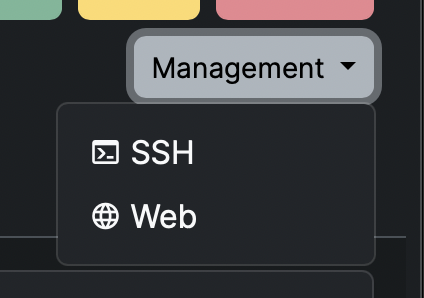
Add the ability to define a material design icon for a custom link. The input icon text would be added to the link and give an output like this:
Use case
In setups with a large amount of custom links (to ssh management, console management, NMS and so on) the icons can provide a way of distinguishing the different links. NetBox already utilises icons this way with add/edit/delete icons accompanying the text.
Database changes
Would need to add a CharField on the CustomLink model. Something like this maybe:
External dependencies
Just update the relevant documentation to point users to where they can figure out what text to put in the icon field.
@jeremystretch commented on GitHub (Aug 4, 2021):
How would users specify an icon, just plain text? How would you validate that?
@tb-killa commented on GitHub (Aug 4, 2021):
The easiest way would be to let the "link_icon" field be plain text and render them as icon_class or mdi icon class.
If no input it shouldn´t be rendered, if user paste for eg. 'fa fa-plus' it should be rendered.
Because of validation i would say: if someone insert class or name he should know them or copy paste them by searching on the right info page. this is something for power-users :)
@rodvand commented on GitHub (Aug 4, 2021):
I also think this should be something we require the user to know what they are doing. And in the worst case, what harm can it do that they input the wrong data? It would just end up in the link class and maybe make the link appearance a bit messy.
I guess since material design is what's being used we need to limit it to this? We could even limit it to just using the material design icon name, and applying the mdi in the template code itself.
So the user would input "console" in the custom link creation, and we would sanitise to make sure everything is safe. In the template we would do a check if link_icon is set and if it is add the "mdi-console" to the class on the link.
@jeremystretch commented on GitHub (Aug 4, 2021):
IMO this does not meet the bar we want to uphold for the user experience. If we're going to make something available in the UI, it needs to include robust validation.
The user opens a bug report because they think it's broken, or they seek out assistance here or elsewhere, and we end up rehashing the same conversation repeatedly. The UI needs to validate the selected choice to prevent this.
Additionally, what happens if we need to migrate away from Material Design icons, as we have from Font Awesome?
@rodvand commented on GitHub (Aug 4, 2021):
Not sure how we can validate this. Read wherever the icons exist (not sure where they are located atm) and check that the value exists there when the user saves the custom link? It does not feel like a very good way of doing it, but I can't see any other way. But if we are able to read the data with the icons we could provide the user a selection instead of requiring plain-text input.
The whole custom link creation kinda depends on the user knowing what she/he is doing. There is no way for us to validate the jinja2 template code used in the link text or link url fields. And if/when a data model changes today the user have to go in and change the custom link setup, just as would be required on an icon pack change. As for user help, it shouldn't take more than two lines in the documentation to point the user to where the icon names can be found (if we can't provide a selection menu).
@jeremystretch commented on GitHub (Aug 4, 2021):
That sounds like the way to go. Maybe we could keep it simple by curating a list of a few dozen supported icons. This would allow users to easily select an available icon, as well as providing a "wrapper" in the event we need to migrate in the future. Of course then you'll have people submitting feature requests to add random icons all the time, so we would need to communicate that no further icons will be added.
Not on creation/update, but NetBox displays an error icon and message whenever a custom link fails to render. This way the user has a clue to check their code instead of assuming it's a bug in NetBox.
@bellwood commented on GitHub (Aug 5, 2021):
FWIW, you can already add icons to custom links by just using the appropriate MDI markup for the link text, e.g. I use the following for hyperlinks to device web interfaces:
Presuming a "power user" can find the appropriate markup from https://materialdesignicons.com/ and copy/paste, does this not achieve the intended goal?
@rodvand commented on GitHub (Aug 5, 2021):
Great stuff, that's precisely what I wanted. No reason to add extra complexity to the data model when we can do this!